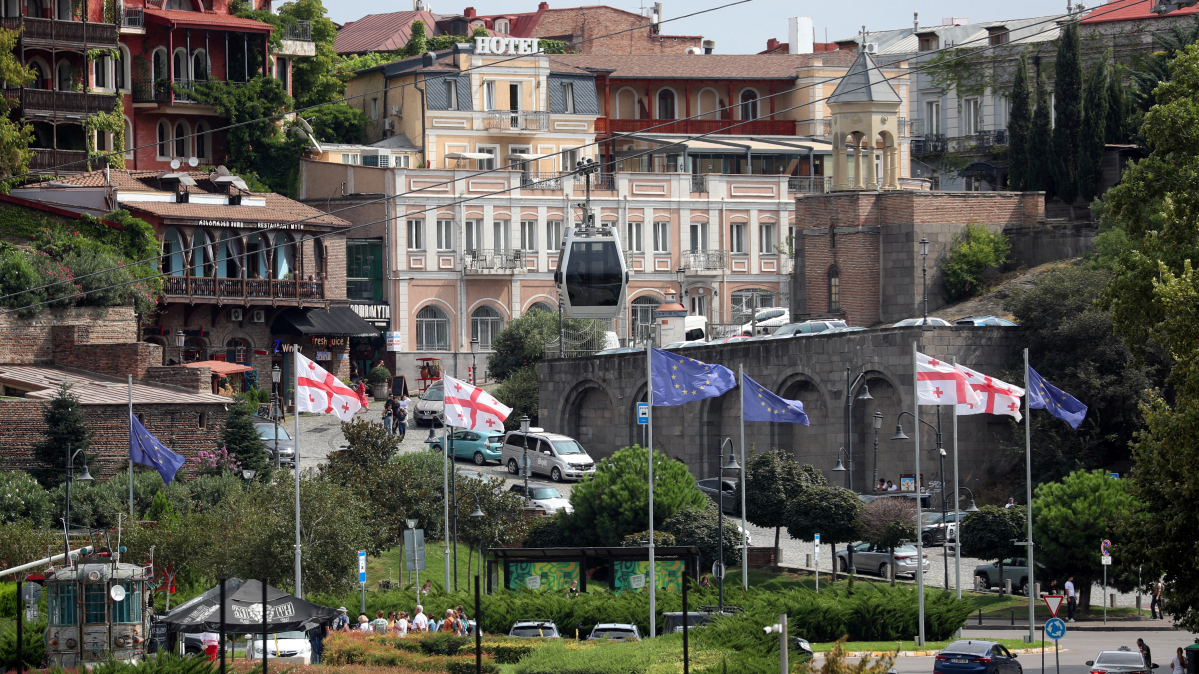
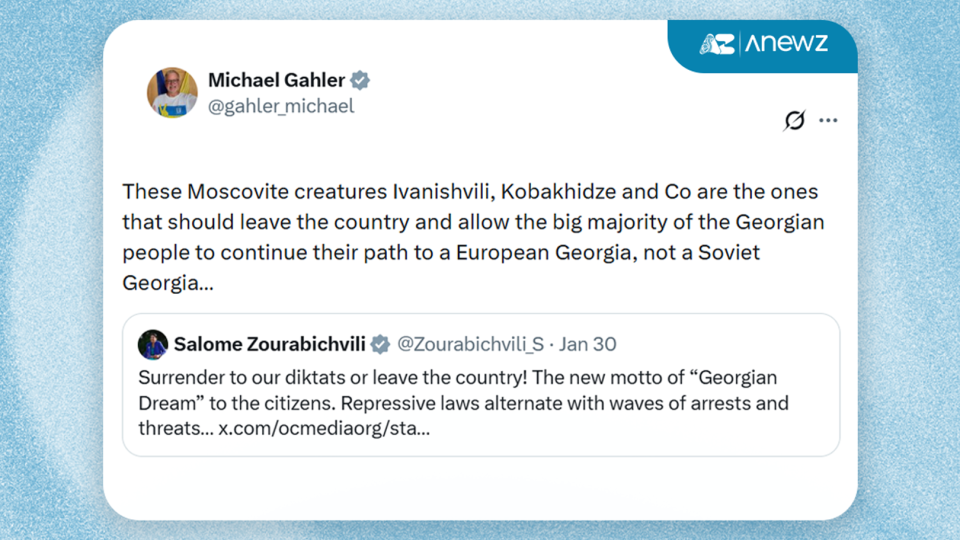
Tensions flared on X this week after German MEP Michael Gahler called leaders of Georgia’s ruling Georgian Dream party “Moscow creatures”, criticising recent legislation he says threatens the country’s democratic path.
The remark was sparked by a post from former president Salome Zurabishvili, who accused the ruling party of imposing repressive laws on civil society and the media.
Shalva Papuashvili, chairman of the Georgian Dream-led parliament, responded sharply, saying the MEP’s language tarnished Germany’s image and demanding that Gahler apologise or delete the post. The exchange reflects rising international scrutiny of Georgia’s proposed legal restrictions on foreign funding.
The laws in question aim to regulate foreign grants and funding for NGOs, media outlets and politically related activities. Under the proposals, receiving foreign funds without prior government approval could result in fines, community service or prison sentences of up to six years. Critics argue the laws are overly broad, potentially criminalising routine funding for journalism, research or civil society work.
The Georgian Dream party defends the measures as a safeguard of sovereignty, arguing that foreign actors should not influence internal politics or attempt to fund political activities indirectly. Government officials also stress the importance of transparency in NGO operations and foreign grants.
Human rights and press freedom advocates warn that the laws risk curtailing media independence and civil society activity - a pattern observers say has intensified in Georgia over the past two years with the adoption of the Foreign Agents Law and amendments to broadcasting and grant regulations. International bodies, including the Council of Europe, have emphasised that legal aid, media and civil society institutions should maintain operational independence and protection from political interference.
As the amendments move toward parliamentary approval, the dispute between Georgian Dream officials and European lawmakers underscores the tension between national sovereignty and democratic freedoms. Social media has amplified the debate, with highly charged posts reflecting both political frustrations and international concern.













What is your opinion on this topic?
Leave the first comment