U.S.–Iran Geneva nuclear talks reportedly ‘positive’, says Axios
Nuclear negotiations between the United States and Iran in Geneva have been described as “positive”, according to a report by Axios citing a U.S. ...
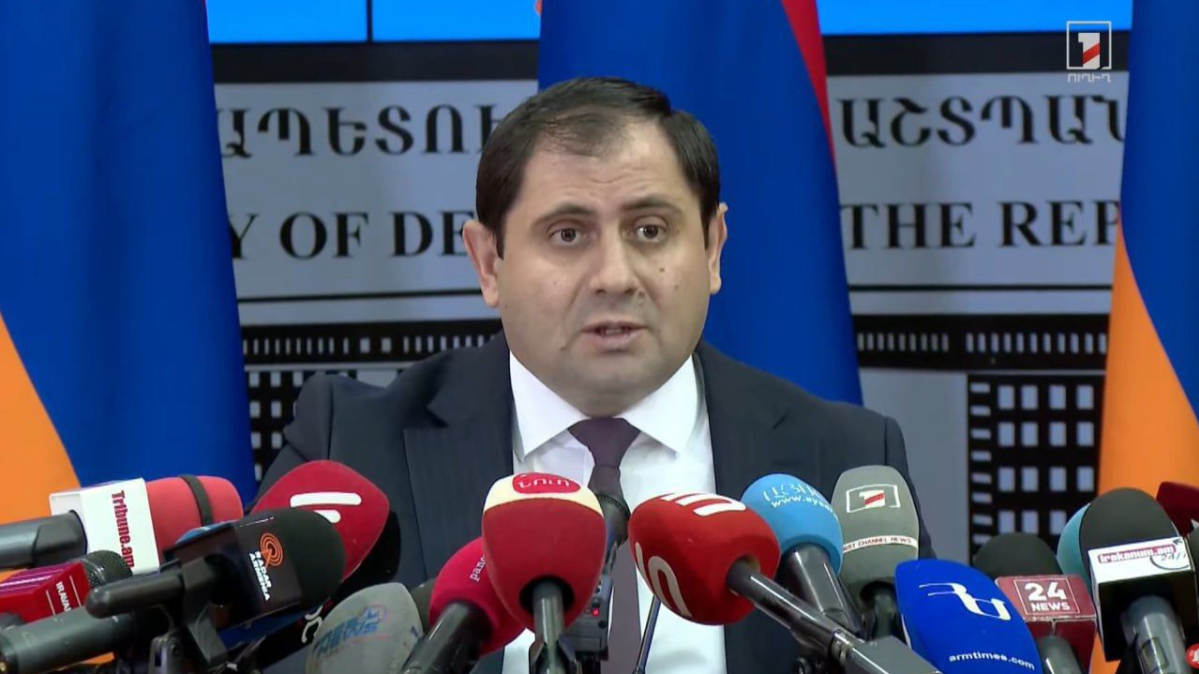
Armenia has announced plans to allocate 150 billion drams (approximately $400 million) to the development of its defence industry for the 2026–2028 period, in a significant move to strengthen its national security.
The Armenian Defence Minister Suren Papikyan, said the decsion marks a major step towards improving the country's military capabilities and fostering local defence production.
The allocation comes as part of a broader strategy to diversify Armenia's military procurement markets and reduce reliance on foreign suppliers.
The government says it has recognised the growing need to boost domestic production and increase the availability of locally manufactured military equipment.
Papikyan underscored the importance of creating a more self-sufficient defence sector and highlighted the progress Armenia has already made in this area.
He noted that, in 2022, the government signed contracts worth 5.5 billion drams with local companies. However, the current agreements have grown substantially, reaching a total of 170 billion drams, with the majority of the products already delivered.
This financial commitment signals Armenia's long-term investment in its defence infrastructure, which is crucial given the region's security dynamics. It also represents a shift towards developing a robust defence industry that can meet both current and future military needs.

A F-16 fighter jet of the Turkish Air Force crashed near a highway in western Türkiye early on Wednesday (25 February), killing its pilot, officials and media reports confirmed.
Chinese President Xi Jinping and German Chancellor Friedrich Merz agreed on Wednesday in Beijing to strengthen economic cooperation while addressing trade imbalances, market access concerns, and the war in Ukraine, during Merz’s first official visit to China since taking office.
U.S. President Donald Trump declared a “golden age” for America in his first second-term State of the Union on Tuesday evening, delivering the longest-ever address at more than 90 minutes. Here are the main takeaways.
President Donald Trump delivered the first State of the Union address of his second term to Congress on Wednesday (25 February), declaring that America’s “golden age” had begun and that the country was experiencing a “turnaround for the ages.”
Start your day informed with AnewZ Morning Brief. Here are the top news stories for the 25th of February, covering the latest developments you need to know.
Pakistan’s Foreign Minister Ishaq Dar received a phone call from Qatar’s Deputy Foreign Minister Mohammed bin Abdulaziz Al-Khulaifi on Thursday, as fresh border clashes erupted between Pakistani and Afghan forces.
Ankara has rejected media reports claiming it plans to deploy military forces into Iranian territory in the event of a U.S. attack on the Islamic republic.
Georgia’s path towards European Union membership is facing its most serious crisis to date, with senior European lawmakers warning that the country is now a “candidate in name only” and accusing the ruling government of reversing democratic progress and drifting away from Europe.
As Iran and the United States continue with nuclear talks in Geneva on Thursday, Tehran’s extensive ballistic missile programme remains a central point of contention.
More than 11 million Afghans have been displaced or have returned to the country between 2021 and 2025, as drought, floods and mass returns from neighbouring states deepen an already fragile humanitarian crisis, according to a new report from the International Organization for Migration (IOM).
You can download the AnewZ application from Play Store and the App Store.
What is your opinion on this topic?
Leave the first comment