Iran strikes: Why now and what next for the leadership in Tehran?
Journalist and International Affairs Commentator, Tom Gross, joined AnewZ from Tel Aviv to tell us why he thinks the attack happened now and whether t...
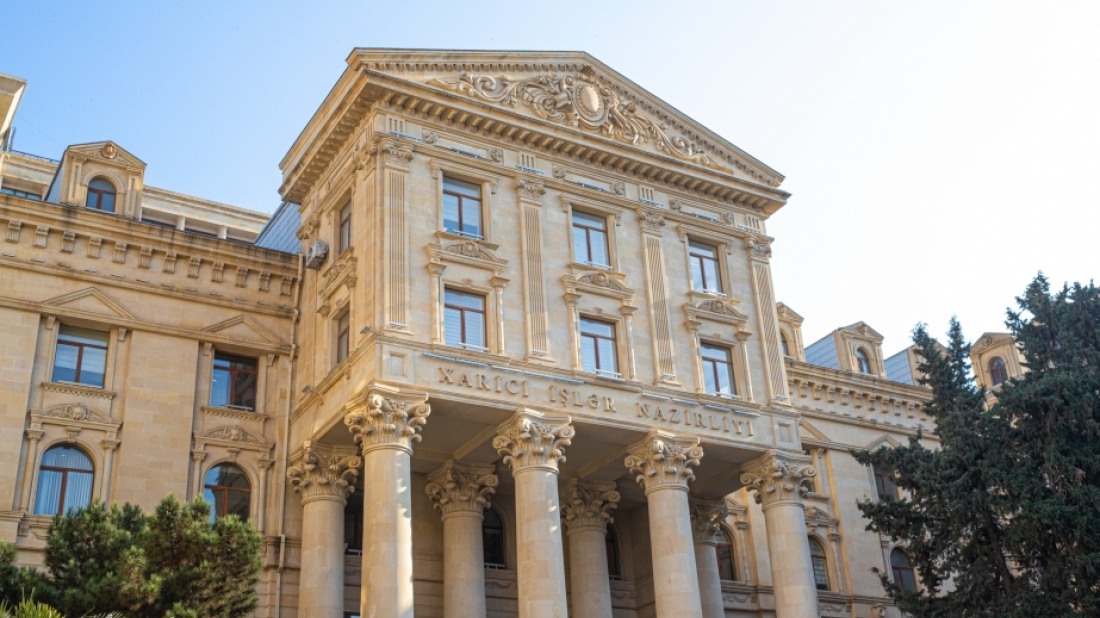
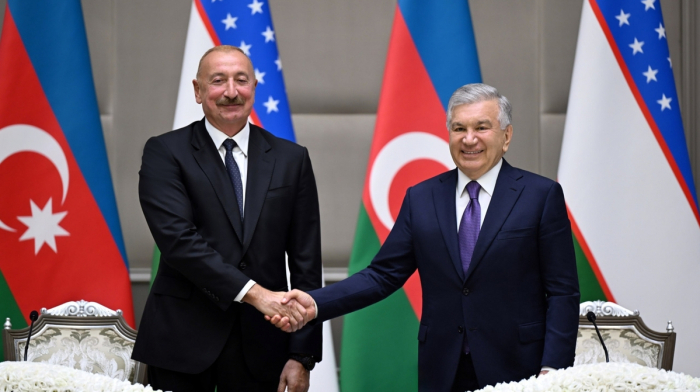
The Ministry of Foreign Affairs stated that Azerbaijan fully supports the unity and internationally recognised borders of the Federal Republic of Somalia.
The statement emphasised that any recognition of the self-declared “Somaliland” region is inconsistent with international law.
Azerbaijan drew attention to its own history of foreign military occupation and separatism, noting that such experiences have shaped its firm position on sovereignty issues. The ministry said Baku remains committed to the protection of territorial integrity and political independence of all states.
The issue of Somaliland’s status has been a source of tension for decades. The region has maintained de-facto self-rule since 1991 after the collapse of Somalia’s central government, establishing its own institutions, currency and security forces. However, despite its autonomy, no country has formally recognised it as an independent state, and Somalia continues to consider it an integral part of its territory.
Mogadishu has consistently rejected external engagement or recognition of Somaliland outside the framework of Somalia’s federal control, urging partners to respect its sovereignty. International organisations such as the African Union and European Union have previously expressed support for Somalia’s unity, calling for dialogue rather than unilateral moves.
Azerbaijan said it calls on the international community to act responsibly and in line with international law regarding Somalia, reaffirming its stance in favour of globally recognised borders and against separatism.

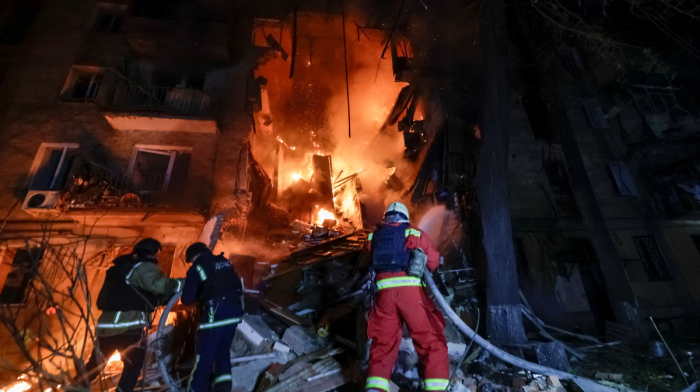
Follow the latest developments and global reaction after the United States and Israel launched "major combat operations" in Iran, prompting retaliation from Tehran.
Tensions between the U.S. and Iran are escalating, with Washington ordering a significant military build-up in the region and multiple countries evacuating diplomatic staff amid fears of further instability.
Russian President Vladimir Putin’s special envoy, Kirill Dmitriev, arrived in Geneva and may hold talks with U.S. officials, according to the RIA news agency.
Two people were killed and around 40 injured when a tram derailed in central Milan on Friday (27 February), a spokesperson for the local fire service said.
The United States is expected to deploy six additional aerial refuelling aircraft to Israel as Washington continues to strengthen its military presence in the Middle East while nuclear negotiations with Iran remain under way.
Journalist and International Affairs Commentator, Tom Gross, joined AnewZ from Tel Aviv to tell us why he thinks the attack happened now and whether this could mark the beginning of the end for the Iranian leadership.
The international reaction to the U.S. and Israel’s strikes on Iran came in fast and strong.
Governments across the region responded swiftly to Israel’s strikes on Iran, closing airspace, issuing travel advisories and activating contingency plans amid fears of escalation.
Follow the latest developments and global reaction after the United States and Israel launched "major combat operations" in Iran, prompting retaliation from Tehran.
As the strikes on Tehran began on Saturday (28 February), Touraj Shiralilou sent us this report from the Iranian capital.
You can download the AnewZ application from Play Store and the App Store.
What is your opinion on this topic?
Leave the first comment