Bill Clinton says Trump recalled ‘good times’ with Epstein
Former U.S. President Bill Clinton told lawmakers that President Donald Trump told him he had "some great tim...
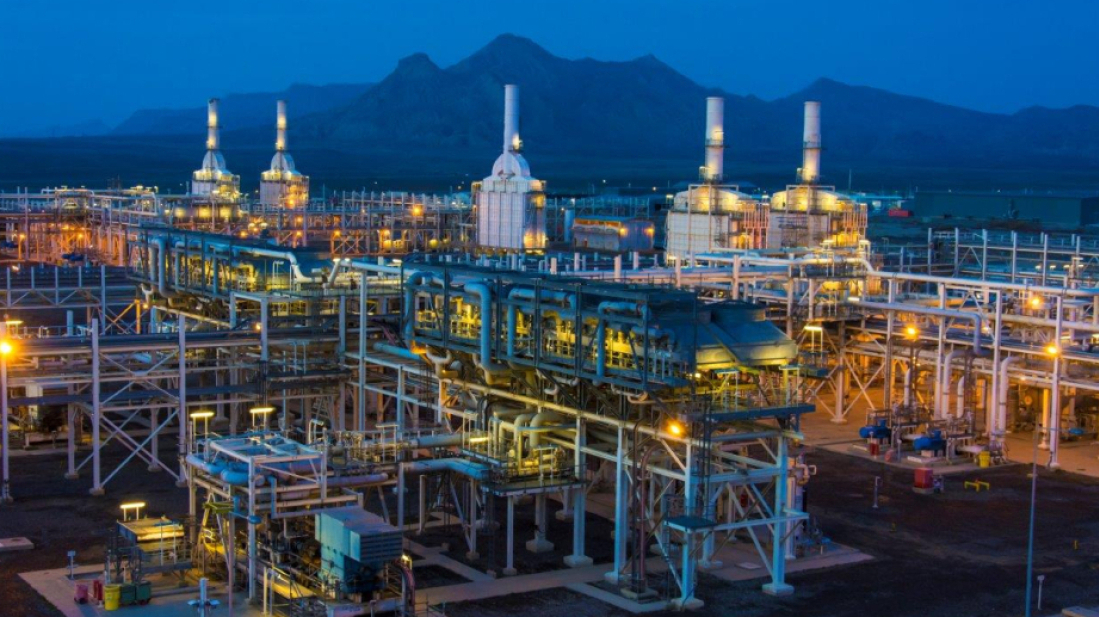
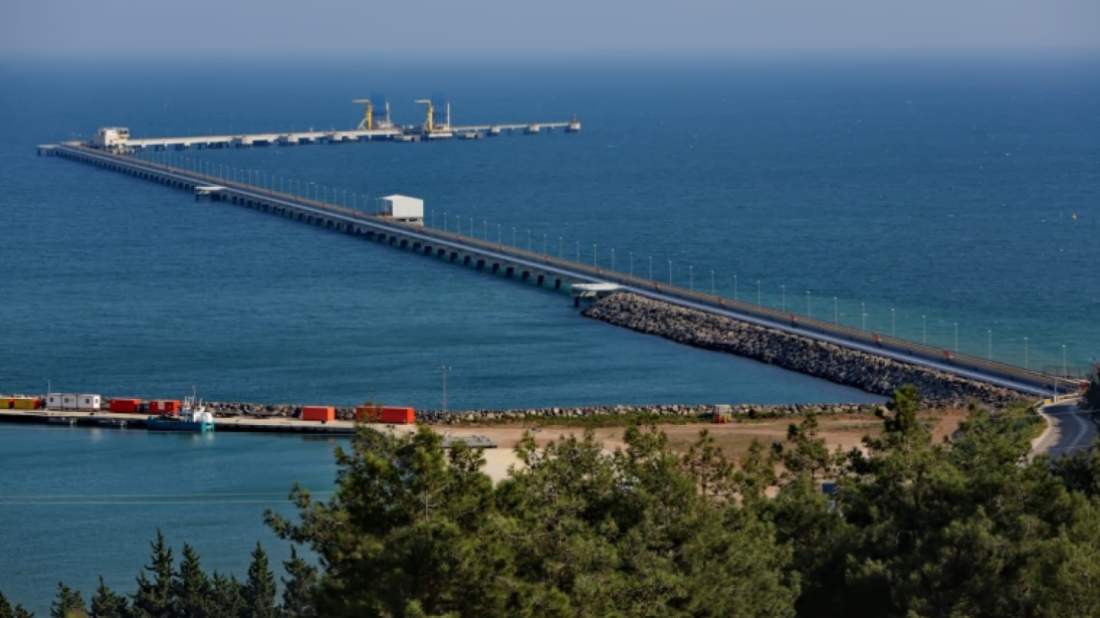
Traces of organic chlorides have been detected in some batches of crude oil sent to global markets via the Baku–Tbilisi–Ceyhan (BTC) pipeline, one of Azerbaijan’s main export routes.
This information was confirmed following an inquiry addressed to BP, the operator of the BTC project. Tamam Bayatli, Head of Communications at BP Azerbaijan, told AnewZ that BTC Co has conducted a comprehensive quality assessment of crude oil across all facilities along the pipeline.

Speaking to Anewz, Tamam Bayatli, Head of Communications at BP Azerbaijan, stated that
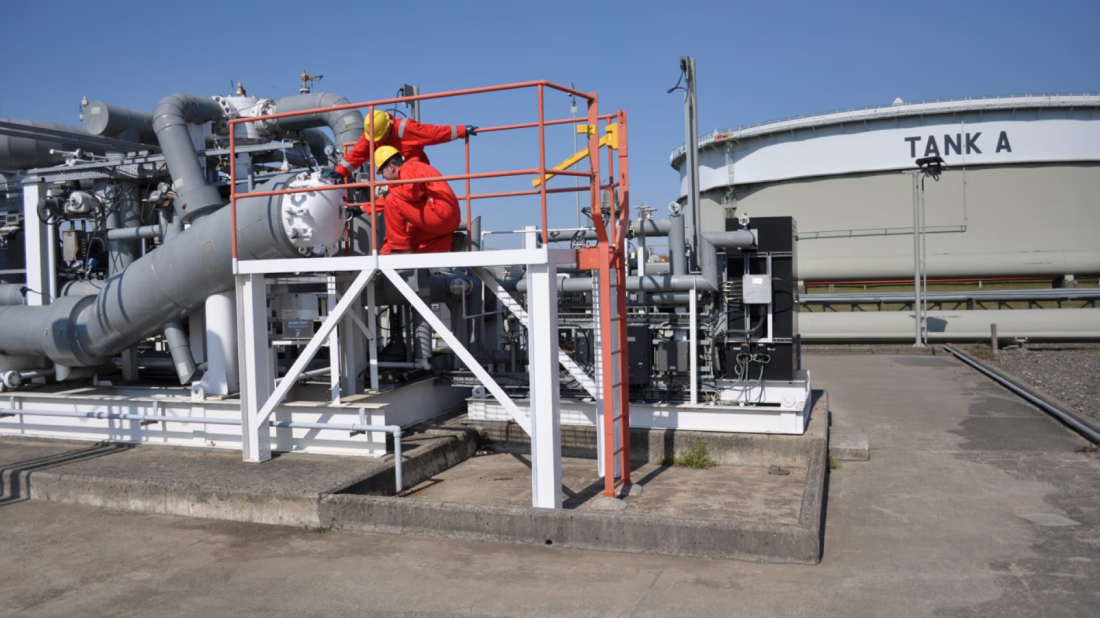
"The results of the assessment confirmed the presence of organic chlorides in some of the tanks at the Ceyhan terminal. Respective actions were taken to contain those tanks while continuing the loadings from the tanks that were assessed to be within the normal specification. BTC Co. has also continued to take necessary actions to fully resolve the issue. Currently, BTC export operations and loadings of Azeri crude at the Ceyhan terminal are continuing."
The company is currently undertaking measures to fully resolve the issue in close cooperation with SOCAR, with sampling continuing prior to each loading.

Experts note that, thanks to the timely measures taken by the company, there have been no stoppages or delays in the export process.

Follow the latest developments and global reaction after the U.S. and Israel launched “major combat operations” in Iran, prompting retaliation from Tehran.
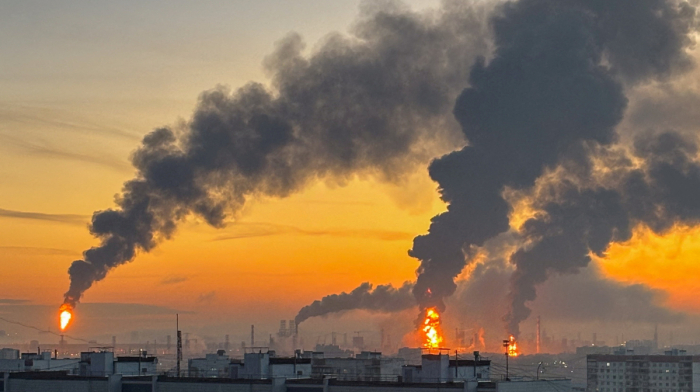
Saudi Arabia’s state oil giant Saudi Aramco closed its Ras Tanura refinery on Monday following an Iranian drone strike, an industry source told Reuters as Tehran retaliated across the Gulf after a U.S.-Israeli attack on Iranian targets over the weekend.
The Kremlin is utilising the recent United States and Israeli military strikes on Iran to validate its ongoing war in Ukraine. Russian officials are pointing to the escalation in the Middle East as evidence that Western nations do not adhere to international rules.
The Middle East crisis intensifies after the deadly attack on the compound of the Supreme Leader of Iran Ali Khamenei on Saturday that killed him, other family members and senior figures. Iran has launched retaliatory strikes on U.S. targets in the region.
Ayatollah Alireza Arafi has moved into a pivotal constitutional role following the death of Supreme Leader Ayatollah Ali Khamenei, becoming the clerical member of Iran’s temporary leadership council under Article 111 of the Constitution of the Islamic Republic of Iran.
Türkiye and Iran have suspended day-trip passenger crossings at their shared border, Türkiye's trade minister said Monday, as a U.S.-Israeli military campaign against Iran entered its third day.
China’s Foreign Minister Wang Yi has held talks with his Russian counterpart Sergei Lavrov following recent military strikes carried out by the United States and Israel on targets in Iran, as tensions in the Middle East continue to rise.
Uzbekistan has expressed deep concern over the rapid escalation of tensions in the Middle East, urging restraint and diplomatic resolution as the conflict begins to affect civilian aviation and regional security.
As tensions escalate in the Middle East, Kazakhstan is assessing the impact on its trade routes, diplomatic ties and citizens in the region. Analysts say the crisis could test Astana’s ability to balance economic interests, security concerns and foreign policy priorities.
Israel carried out heavy airstrikes on the Hezbollah-controlled southern suburbs of Beirut on Monday (2 March), after the Iran-backed group launched missiles and drones towards Israel in retaliation for the killing of Iran's Supreme Leader Ali Khamenei.
You can download the AnewZ application from Play Store and the App Store.
What is your opinion on this topic?
Leave the first comment