Trump threatens severe action if Iran does not agree to ceasefire deal
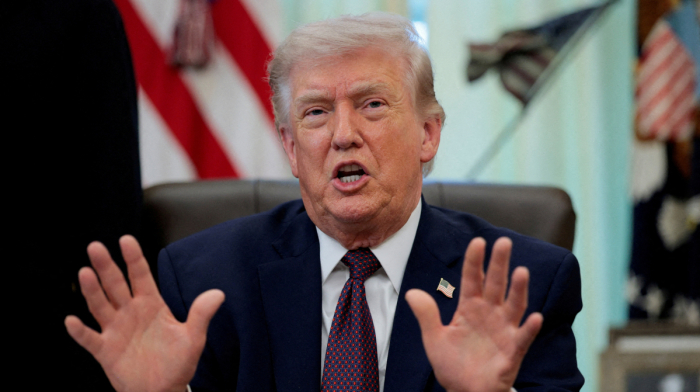
U.S. President Donald Trump warned Iran it could face devastating strikes within hours unless it agrees to a ceasefire by Tuesday night, escalating...
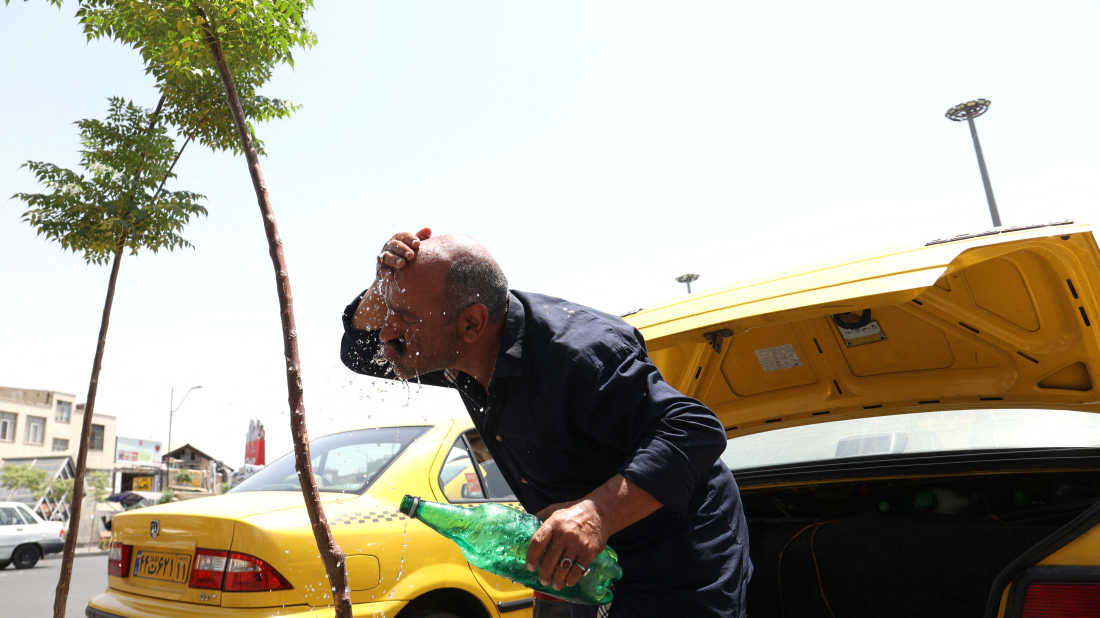
Iran is grappling with a worsening water crisis, with more than 20 of its 31 provinces suffering from severe shortages that have left the capital Tehran facing the risk of running dry.
President Masoud Pezeshkian has said the situation in Tehran is so critical that relocating the city’s population of 15 million may be necessary if conditions do not improve.
The water crisis has deepened following years of drought and a 2°C rise in temperatures since the 1960s, combined with a 20% drop in rainfall over the past two decades. According to Iranian state media IRNA, one of the country’s largest reservoirs could be completely dry within weeks. Currently, seven reservoirs hold less than 10% of their capacity, with two dams in the southern provinces of Hormozgan and Fars already dry and 80% of reservoirs across the country nearly empty.
Pezeshkian has criticised previous government policies for neglecting the water issue, describing the current shortage as a crisis caused by both natural factors and mismanagement. As a result, government offices and schools will remain closed until at least Saturday, and many factories have shut down amid energy shortages, triggering fears of mass layoffs.
The water shortage has also prompted many Tehran residents to leave for northern provinces along the Caspian Sea, where water supplies remain more stable.
Experts warn that the water supply will remain critically low until the seasonal rains arrive later in the year, but the long-term effects of climate change and ongoing mismanagement make relief uncertain.
They said that Tehran’s future as the country’s capital could depend on urgent and effective action to address the deepening water crisis.
U.S. President Donald Trump on Monday told reporters that Iran could be taken out in one night, "and that night might be tomorrow night," warning Tehran it had to make a deal by Tuesday night or face wider bombing raids.
The crew of Artemis II mission are entering a pivotal phase of their journey, as they prepare to swing around the Moon and head back towards Earth. Now on the fifth day of their 10-day mission, the four astronauts are already witnessing views no human has ever seen.
U.S. President Donald Trump threatened Iran's energy and transport infrastructure in a social media post containing expletives on Sunday (5 April), as he seperately gave Iran a deadline of Tuesday to reopen the Strait of Hormuz.
A new proposal to end hostilities between the United States and Iran could come into effect as soon as Monday, potentially reopening the vital Strait of Hormuz, a source familiar with the plan said on Monday.
Oil prices rose sharply on Monday as fears deepened over potential supply shortages caused by the ongoing conflict in the Middle East, unsettling global energy markets and the row over the Strait of Hormuz, raising concerns for consumers and businesses alike.
Turkish Foreign Minister Hakan Fidan on Monday met U.S. Ambassador to Türkiye Tom Barrack, Washington’s special envoy to Syria, diplomatic sources said. Earlier, Fidan spoke by phone with his Iranian counterpart, Abbas Araghchi.
The official visit of Azerbaijan President Ilham Aliyev to Georgia marks a significant moment in South Caucasus diplomacy, highlighting a deepening strategic partnership amid global uncertainty.
Russia and Tajikistan are discussing the construction of large-scale solar power plants with a total capacity of up to 500 megawatts. The initiative builds on a memorandum signed in 2025, with both sides now working on implementation details and potential locations for the facilities.
Azerbaijan and Georgia’s leaders met on Monday (6 April) to strengthen ties as the Middle Corridor emerges as a key Asia- Europe link. Talks focused on economic cooperation, infrastructure, and regional stability amid shifting global trade dynamics.
Afghanistan’s Minister of Mines and Petroleum, Hedayatullah Badri, has invited Turkish companies to invest in the country’s oil, gas and mining sectors following talks in Kabul with Türkiye’s Chargé d’Affaires, Sadin Ayyıldız.
You can download the AnewZ application from Play Store and the App Store.
What is your opinion on this topic?
Leave the first comment