Thailand Cambodia clashes: Hope for ceasefire grows as China steps in
The foreign ministers of Cambodia and Thailand have told Chinese Foreign Minister Wang Yi that they are willing to pursue a ceasefire, as tensions fla...
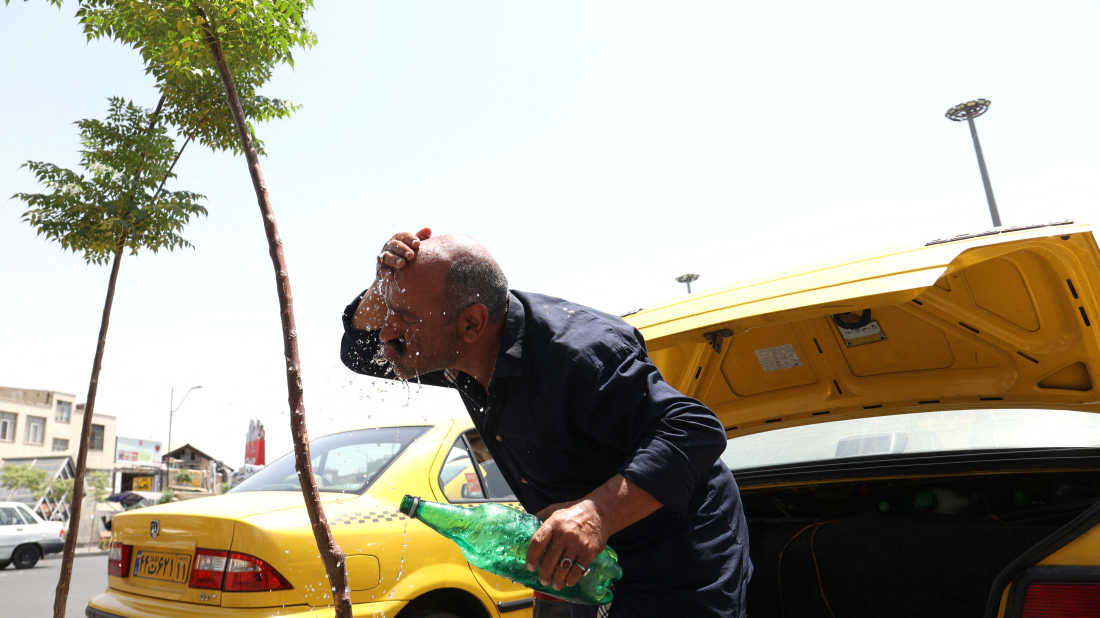
Iran is grappling with a worsening water crisis, with more than 20 of its 31 provinces suffering from severe shortages that have left the capital Tehran facing the risk of running dry.
President Masoud Pezeshkian has said the situation in Tehran is so critical that relocating the city’s population of 15 million may be necessary if conditions do not improve.
The water crisis has deepened following years of drought and a 2°C rise in temperatures since the 1960s, combined with a 20% drop in rainfall over the past two decades. According to Iranian state media IRNA, one of the country’s largest reservoirs could be completely dry within weeks. Currently, seven reservoirs hold less than 10% of their capacity, with two dams in the southern provinces of Hormozgan and Fars already dry and 80% of reservoirs across the country nearly empty.
Pezeshkian has criticised previous government policies for neglecting the water issue, describing the current shortage as a crisis caused by both natural factors and mismanagement. As a result, government offices and schools will remain closed until at least Saturday, and many factories have shut down amid energy shortages, triggering fears of mass layoffs.
The water shortage has also prompted many Tehran residents to leave for northern provinces along the Caspian Sea, where water supplies remain more stable.
Experts warn that the water supply will remain critically low until the seasonal rains arrive later in the year, but the long-term effects of climate change and ongoing mismanagement make relief uncertain.
They said that Tehran’s future as the country’s capital could depend on urgent and effective action to address the deepening water crisis.

European Union leaders have agreed to raise up to €90 billion through joint borrowing to support Ukraine’s defence in 2026 and 2027, opting not to use frozen Russian state assets amid legal and political concerns.
Petroleum products are being transported by rail from Azerbaijan to Armenia for the first time in decades. The move is hailed as a tangible breakthrough in efforts to normalise relations between the long-time rivals.
European Union foreign policy chief Kaja Kallas has warned that attempts to reach a peace agreement in Ukraine are being undermined by Russia’s continued refusal to engage meaningfully in negotiations.
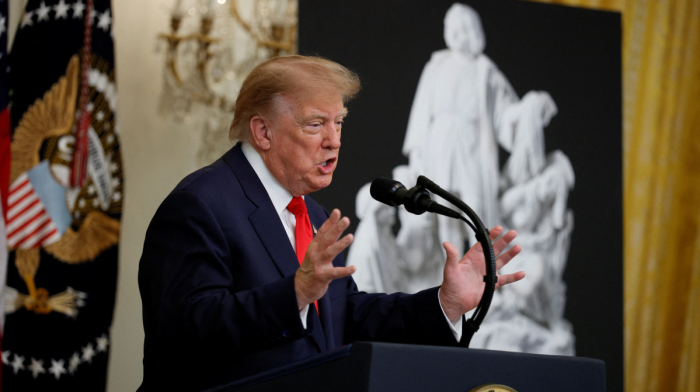
U.S. President Donald Trump delivered a wide-ranging address from the White House in which he sought to highlight what he described as his administration’s achievements while laying the groundwork for his plans for the year ahead and beyond, on Wednesday (18 December).
Chinese Foreign Minister Wang Yi has held a phone conversation with his Venezuelan counterpart Yvan Gil at the latter’s request.
The United States has suspended the Diversity Visa Lottery programme, commonly known as the Green Card lottery, after a deadly shooting at Brown University.
Kyrgyzstan is increasingly being described as one of the fastest growing economies in Central Asia.
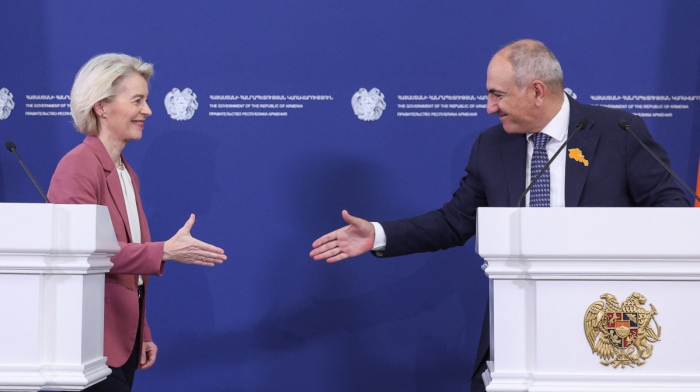
Armenia–NATO talks were held in Yerevan as Prime Minister Nikol Pashinyan met NATO Deputy Secretary General Radmila Shekerinska to discuss cooperation and regional security in the South Caucasus.
Azerbaijan has begun exporting oil products to Armenia, with the first shipment delivered on 18 December 2025. It marked a notable milestone in the peace process and efforts to deepen economic cooperation between the two long-time rivals.
A mass wedding brought together 203 grooms and 203 brides in the Zawayda area of the central Gaza Strip on 18 December. The ceremony was organised by the Turkish Ribat Association.
You can download the AnewZ application from Play Store and the App Store.
What is your opinion on this topic?
Leave the first comment