Aleppo rebuilds more than half of its ancient markets destroyed in Syrian civil war
More than half of the Syrian city of Aleppo's ancient markets have now been rebuilt, over a decade after they were reduced to rubble during the...
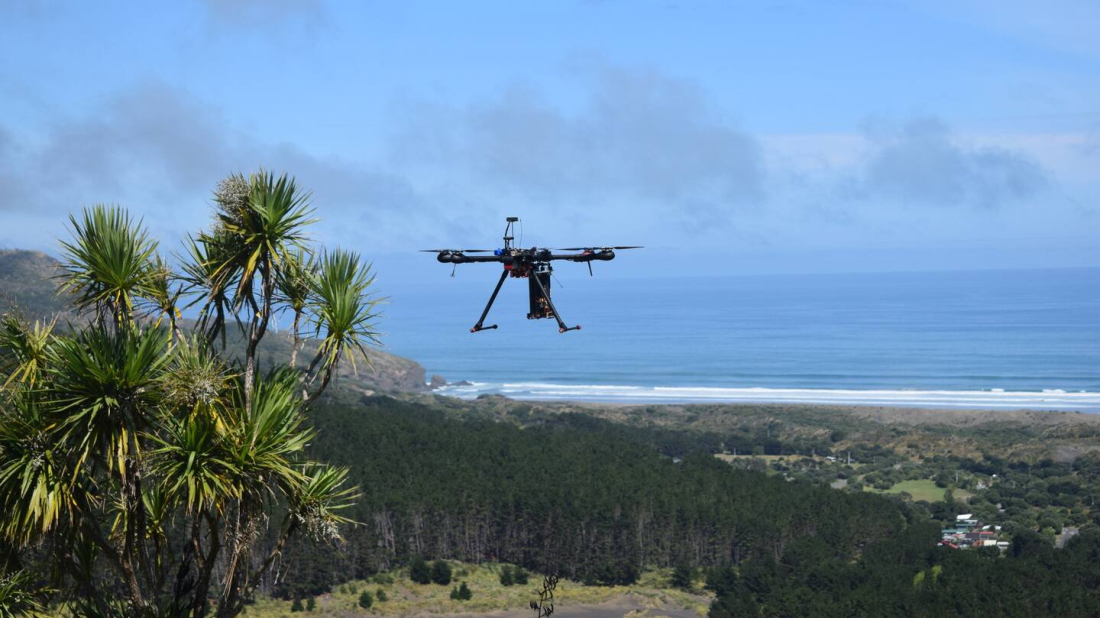
New Zealand researchers are using drones and satellites to protect eucalyptus forests from costly pest damage.
New Zealand researchers are pioneering drone and satellite technology to protect the country's expanding eucalyptus plantations from damaging pests.
A team at the University of Canterbury (UC) is using remote sensing tools to monitor over 15,000 hectares of eucalyptus, introduced as a sustainable and chemical-free alternative to treated pine. These trees face a growing threat from leaf-chewing paropsine beetles, which can cause significant canopy damage.
UC PhD candidate Shiva Pariyar, who led the study, said the project uses drone-mounted sensors and satellite imagery to detect early signs of pest infestation and tree stress. This allows land managers to respond quickly, even in remote areas, and reduces reliance on costly ground inspections.
According to UC Associate Professor Steve Pawson, pest-related losses cost the industry up to 10 million NZ dollars annually, with control measures adding another 2.6 million NZ dollars each year.
The research supports New Zealand’s goal to expand eucalyptus plantations to 100,000 hectares by 2050. Pariyar said the technology could offer a scalable model for global sustainable forestry.

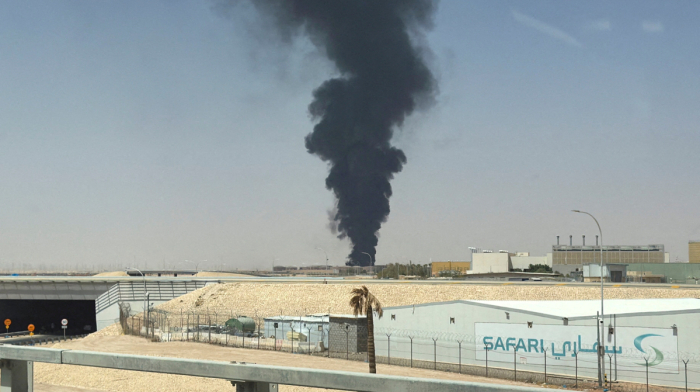
Oil prices fell after the U.S. expanded economic sanctions on Iran, as Tehran vowed to retaliate and warned it had tools to respond, raising concerns over potential disruption to regional oil supplies.
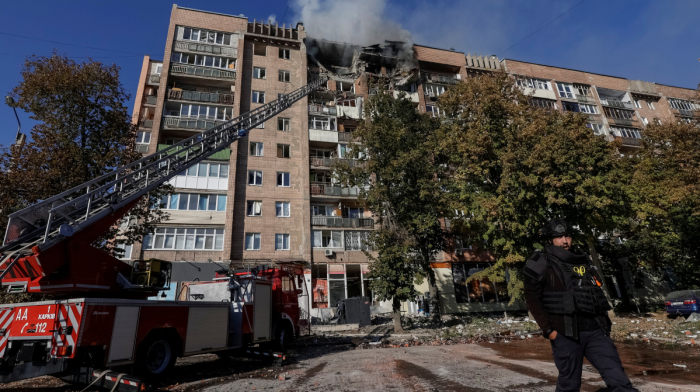
Rescuers in Nepal used helicopters on Thursday to scour for hundreds still missing after a wall of mud and rock collapsed into a river on the Himalayan border with China's Tibet, sending catastrophic floods through towns and valleys, killing 162 people.
Secretary of State Marco Rubio told allied foreign ministers Washington will focus on sanctions and other pressure on Iran “for the time being”, Axios reports. Meanwhile, Iran and Oman have resumed talks on a temporary shipping route through the Strait of Hormuz.
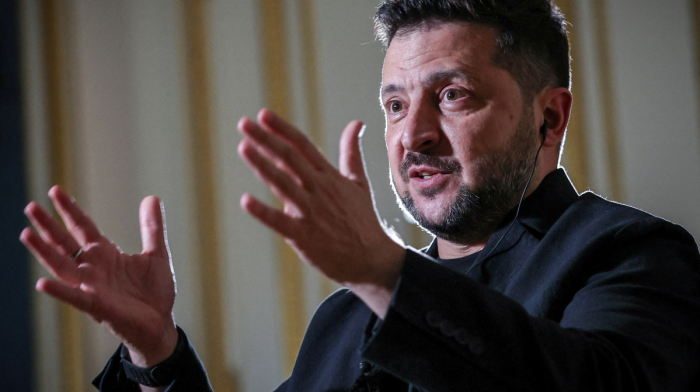
Kyiv has recently received a small number of U.S.-made Patriot interceptors capable of downing Russian ballistic missiles, Ukrainian President Volodymyr Zelenskyy has said. It comes as Britain and France pledged stronger military support for Ukraine.
Iranian President Masoud Pezeshkian has called for greater economic cooperation among Muslim countries, saying their combined economic weight remains disproportionately small compared with their population, strategic location and resources.
The inaugural Silk Road Finance & Technology Forum brought together policymakers, investors and technology companies as Central Asia looks to build a more connected financial system and compete for a bigger share of global fintech investment.
Uzbekistan's region of Karakalpakstan is developing three cryptocurrency mining facilities and three data centers with a combined investment of $5.1 billion, as the region seeks to attract larger and higher-quality investments.
A restaurant payment with a Visa card in Damascus has become a symbol of Syria’s reconnection with the global financial system.
The Silk Road Finance & Technology Forum will bring more than 6,000 policymakers, investors and technology leaders from 74 countries to Tashkent, as Central Asia seeks a bigger role in the global fintech landscape.
Kazakhstan is considering the Baku-Supsa pipeline as an alternative oil export route after Caspian Pipeline Consortium disruptions cost the country an estimated 3.5 million tonnes of oil, Energy Minister Yerlan Akkenzhenov said.
You can download the AnewZ application from Play Store and the App Store.
What is your opinion on this topic?
Leave the first comment