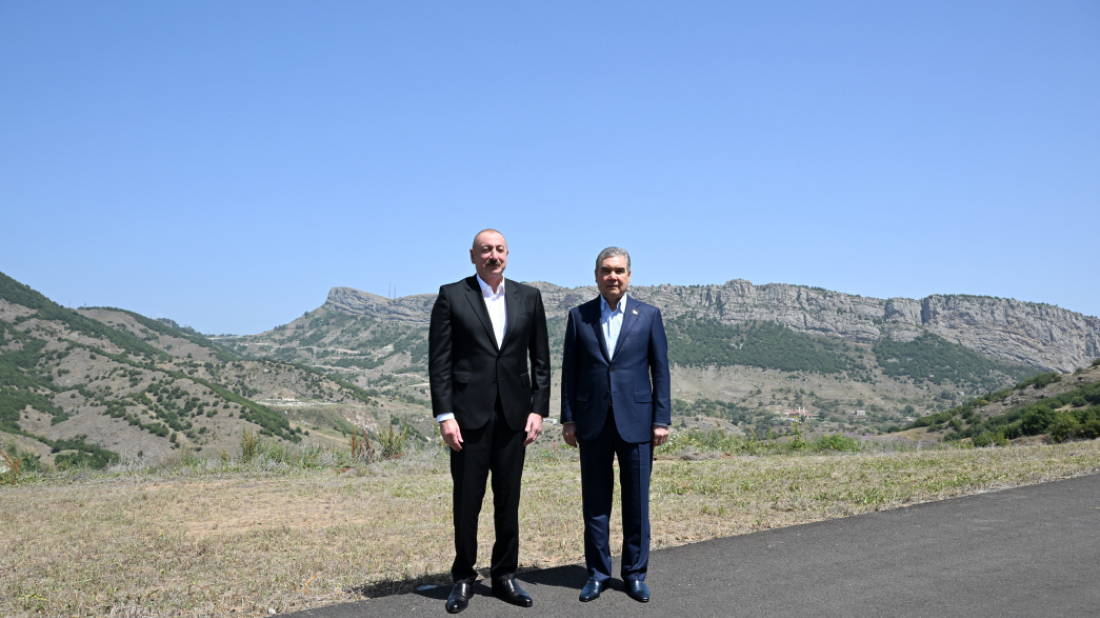
From the heart of cultural Shusha to the rebirth of Fuzuli, the visit of Chairman of Turkmenistan’s Halk Maslahaty Gurbanguly Berdimuhamedov to Azerbaijan symbolized a reaffirmation of the deep-rooted ties between two Turkic nations.
The visit itself served as a symbolic reminder of the spiritual and cultural bonds between Azerbaijan and Turkmenistan, underscoring the importance of preserving historical heritage and rebuilding what was once lost to conflict. This commitment was evident during their visit to Shusha, where the leaders witnessed firsthand the impact of years of occupation on the city’s cultural landmarks.
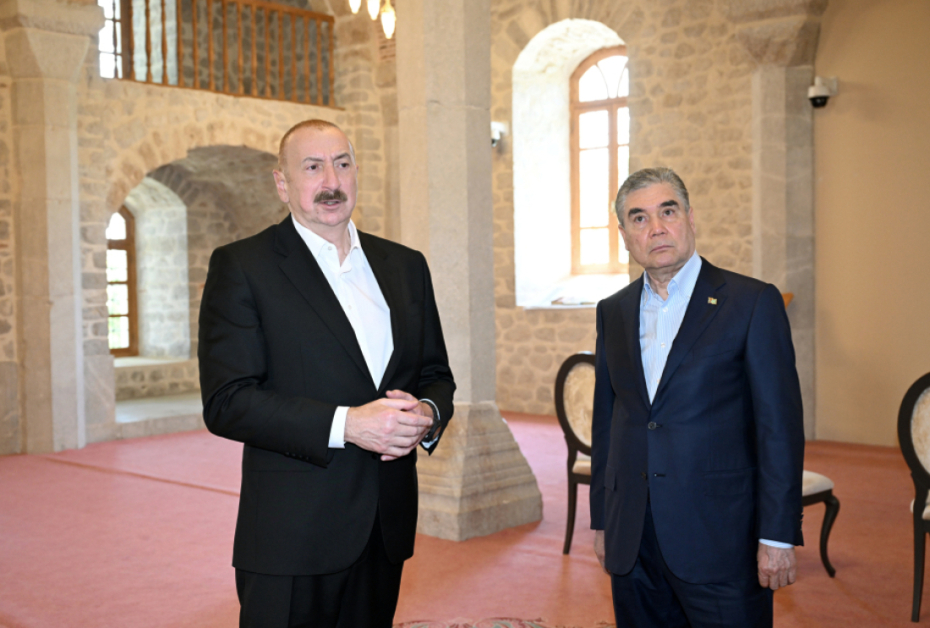
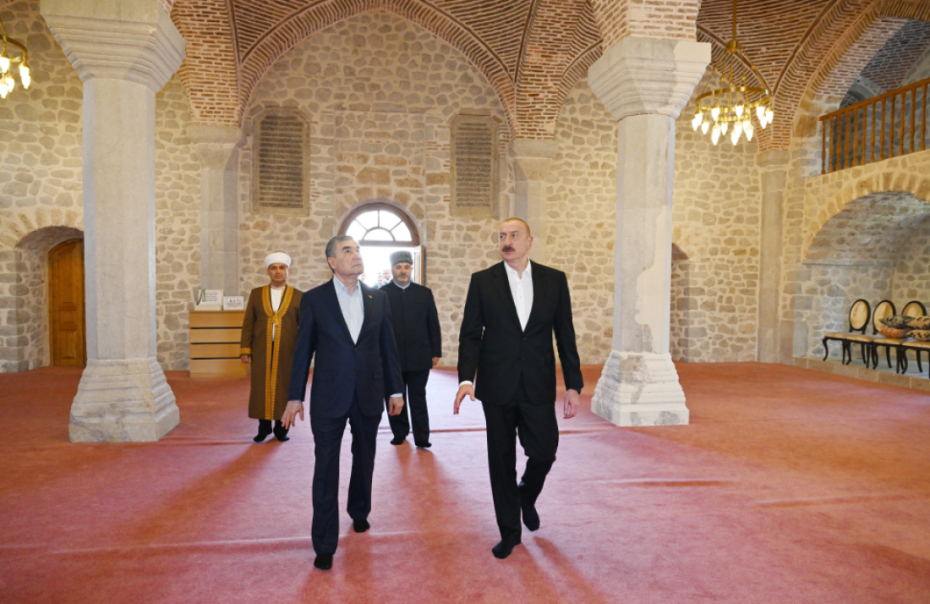
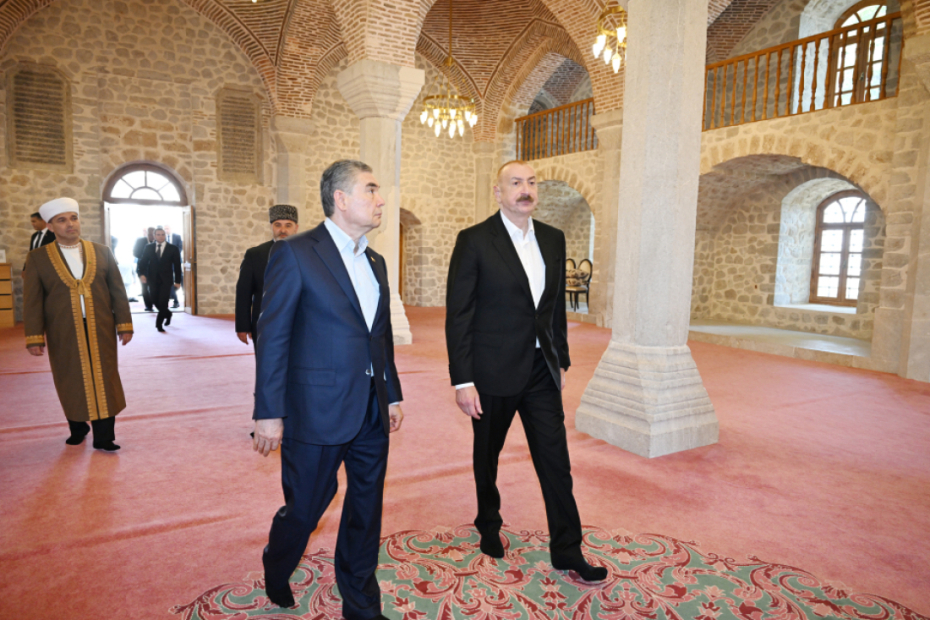
In Shusha, President of the Republic of Azerbaijan Ilham Aliyev and Chairman of the Halk Maslahaty of Turkmenistan Gurbanguly Berdimuhamedov visited the Yukhari Govhar Agha Mosque, which had suffered heavy destruction during the Armenian occupation. Gurbanguly Berdimuhamedov was informed that, like in other formerly occupied territories, Shusha’s historical monuments, including mosques, suffered destruction and desecration during the Armenian occupation.
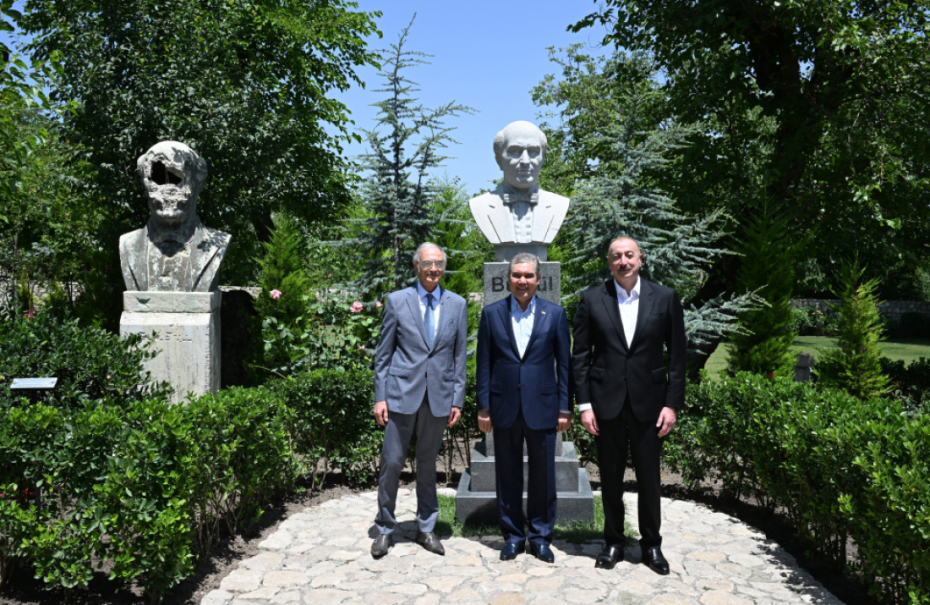
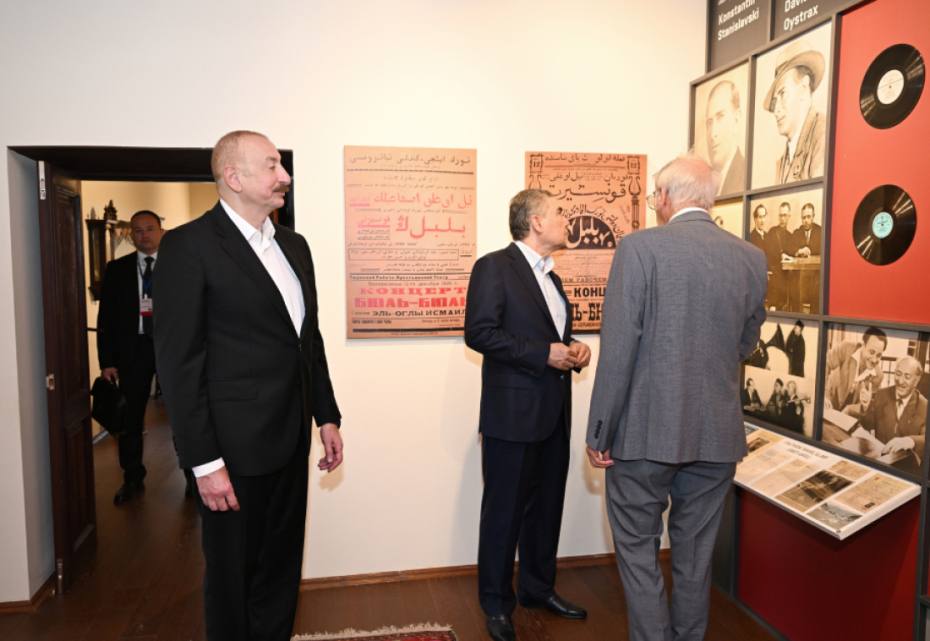
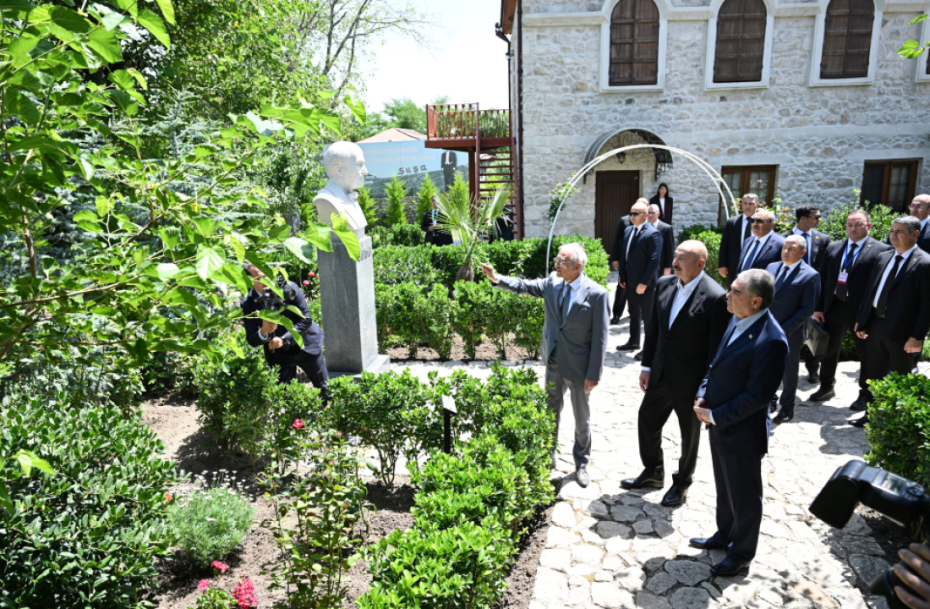
The delegation also visited the House-Museum of Bulbul, one of Azerbaijan’s greatest musician, whose home had been damaged during the First Karabakh War. A new bust of Bulbul stands outside, while the bullet-riddled original remains preserved as a reminder of the city’s troubled past.
One of the most emotionally powerful stops was at the square where the statues of Khurshidbanu Natavan, Uzeyir Hajibeyli, and Bulbul have returned after decades in exile. Saved from being melted down thanks to the efforts of National Leader Heydar Aliyev, the statues were restored and reinstalled in Shusha — a symbolic act of cultural restoration.
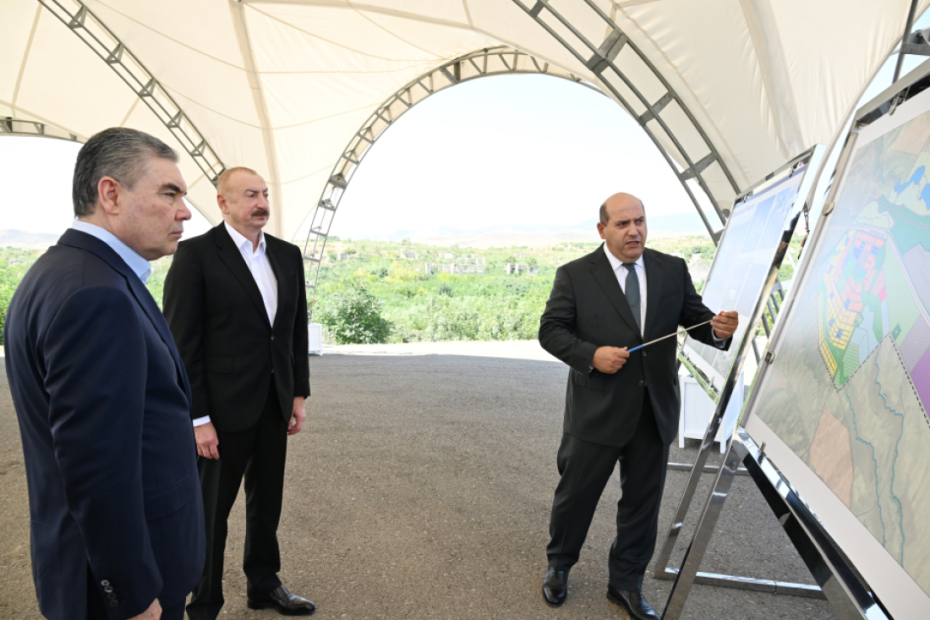
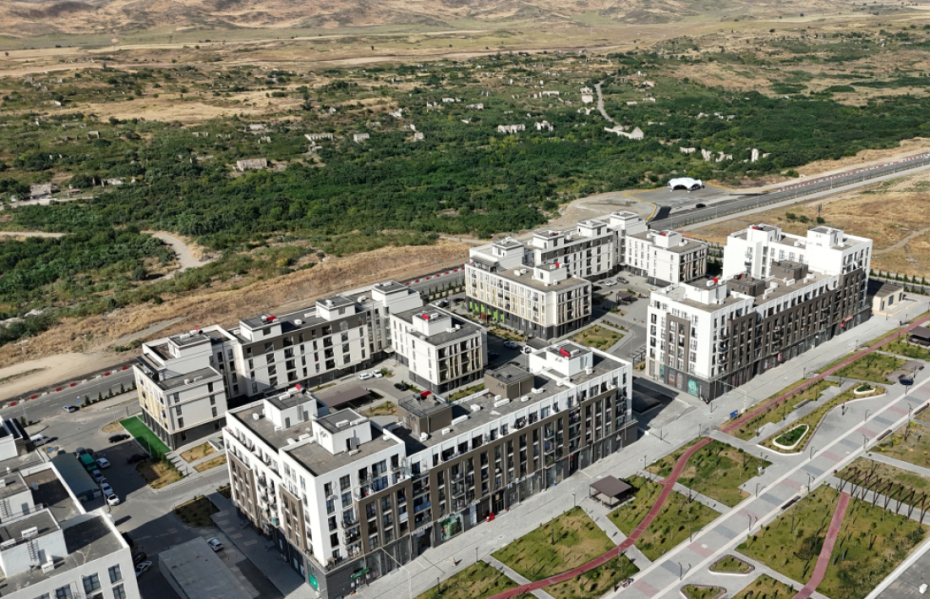
The two leaders also traveled to Fuzuli, a city nearly wiped off the map during the occupation. There, they were briefed on the city's Master Reconstruction Plan, which includes residential buildings, hospitals, parks, schools, a 'Smart City' model, and even a Kurmangazy Creativity Center. The goal is to create a fully modern, livable city for up to 50,000 people by 2040.
During the visit to Azerbaijan Berdimuhamedov emphasized the importance of strengthening the ties between Azerbaijan and Turkmenistan, he also highlighted the nations’ deep historical bonds:
“Azerbaijanis and Turkmens have the same roots, culture, and ancient historical traditions. In addition, our peoples are united by language and religion.”
These words underscore the broader message of the visit: the relationship between Azerbaijan and Turkmenistan is not just diplomatic — it's cultural, spiritual, and civilizational.












What is your opinion on this topic?
Leave the first comment