French overseas territories dispute widens as activists reject interference claims
The diplomatic dispute over France's overseas territories is widening, with pro-independence leaders in the Caribbean and the Pacific rejecting claims...
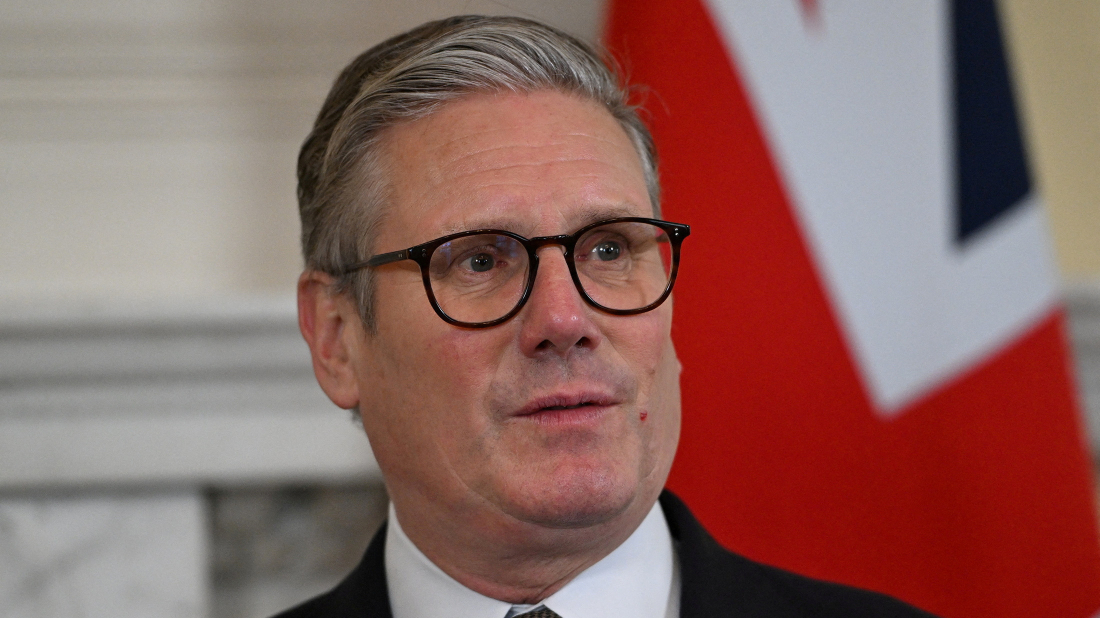
British Prime Minister Keir Starmer and New Zealand Prime Minister Christopher Luxon are set to announce a new phase of defence and security cooperation between their countries during a meeting on Tuesday, according to a statement from Starmer's office.
The two leaders will visit a military training facility in southwest England where British and New Zealand forces are jointly training Ukrainian troops. Luxon is expected to confirm New Zealand’s support for the initiative will continue through the end of 2025.
The meeting is expected to result in a roadmap for a new joint defence partnership, as ministers from both countries have been tasked with expanding military and strategic collaboration.
"As the world becomes an increasingly dangerous place, I am proud how much we are doing together to support our national and economic security," Starmer said, highlighting both countries' deployments in the Indo-Pacific and their coordinated support for Ukraine.
The leaders also reaffirmed their commitment to strengthening the rules-based international order and bolstering collective efforts to deter Russia’s aggression. The UK and New Zealand have long-standing ties, both as members of the Five Eyes intelligence alliance and through decades of military cooperation.

U.S. President Donald Trump said on Monday that there is a good chance” of reaching a deal with Iran, but warned that Washington would resume military operation if negotiations fail.
Iran will halt its own attacks as long as the United States maintains its pause on strikes, but Tehran remains sceptical of U.S. intentions, a senior Iranian source told on Sunday.
The Russia-Ukraine war is increasingly reshaping the Caspian region. From threats to energy infrastructure to renewed diplomatic efforts, countries across the region are adapting to the wider consequences of a conflict that continues to disrupt trade, transport and security.
A New York school district has put plans to introduce a humanoid robot into classrooms on hold after fierce criticism from teachers, Indigenous community members and state education officials over the use of artificial intelligence in schools.
Yemen warned the Houthis were seeking to replicate Iran's Strait of Hormuz strategy in the Red Sea, as U.S. President Donald Trump said there was a "good chance" of a deal with Tehran but warned strikes could resume if talks failed.
The diplomatic dispute over France's overseas territories is widening, with pro-independence leaders in the Caribbean and the Pacific rejecting claims by French lawmakers that Azerbaijan is interfering in France's internal affairs.
U.S. diplomats walked out of a UN Security Council meeting on Ukraine after accusing France of making "disingenuous grandstanding" by comparing Washington with North Korea, Russia and other authoritarian states.
Meteorologists in China have used a swarm of drones to observe Typhoon Noul as it passed through Guangdong province, aiming to improve weather monitoring and forecasting during extreme storms.
Tehran has stressed that its commercial vessel hit by a Ukrainian drone in the Caspian Sea on Saturday was carrying only civilian cargo and vowed to respond appropriately while holding Kyiv responsible for the attack.
Since 1946, nine people have served as UN Secretary-General, the closest thing the world has to a chief diplomat. The role carries no army and little hard power, yet its occupants have shaped how nations respond to war, famine and global crises. Here are five who left the deepest mark.
You can download the AnewZ application from Play Store and the App Store.
What is your opinion on this topic?
Leave the first comment