United Nations Development Programme Administrator Alexander De Croo has warned the international community against turning its back on Afghanistan, pointing to a sharp fall in opium production while raising serious concerns about restrictions on women and girls.
De Croo made the comments in an interview with Foreign Policy Editor-in-Chief Ravi Agrawal, recorded at the magazine’s Global Development Forum on the sidelines of the United Nations General Assembly.
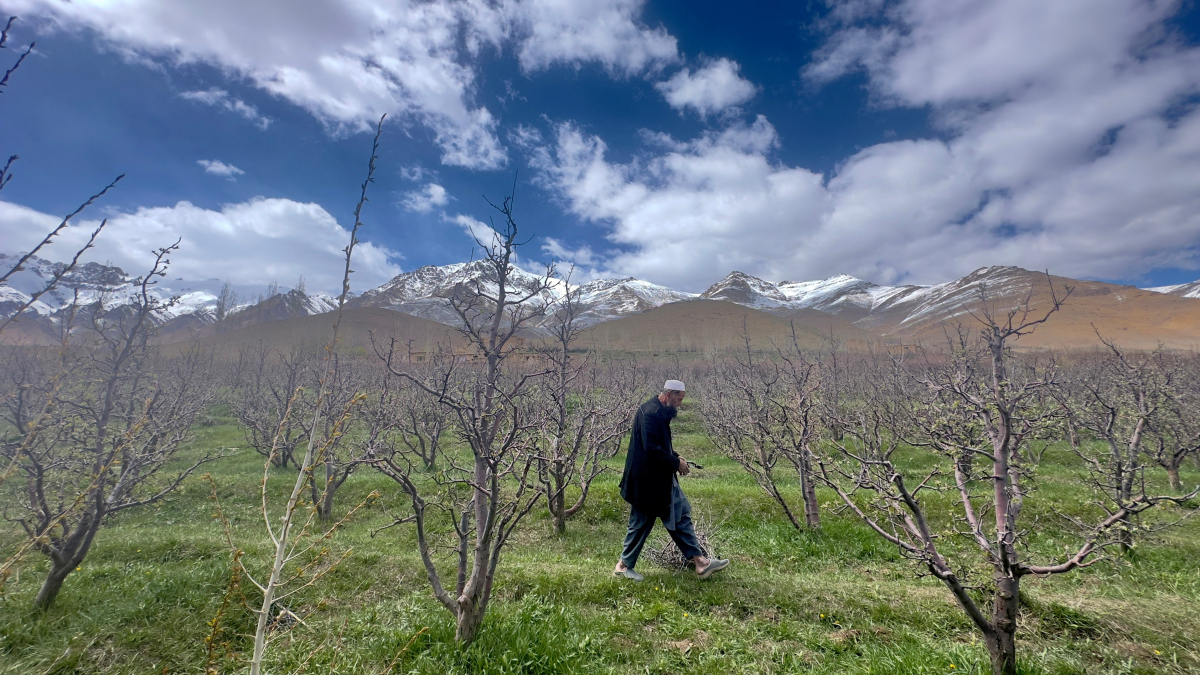
He said the United Nations Development Programme (UNDP) had worked with Afghan farmers to develop alternative livelihoods and connect agricultural producers with food-processing companies and export markets.
Opium production remains historically low
Afghanistan banned poppy cultivation in 2022. The United Nations Office on Drugs and Crime (UNODC) recorded a 95 per cent fall in opium production in 2023.
The UNODC estimates show that poppy production remained historically low in 2025, falling to 296 tonnes, while cultivation declined to about 10,200 hectares from 232,000 hectares before the ban in 2022.
However, the UNODC said the decline has also affected rural livelihoods, with farmers struggling to find crops that provide comparable incomes.
Girls’ education remains major concern
While highlighting progress against opium production, De Croo strongly criticised Afghanistan’s restrictions on female education, describing the exclusion of girls from school beyond the age of 12 as “totally unacceptable”.
He said preventing half of Afghanistan’s population from using their talents was also poor development policy.
De Croo said Afghanistan was simultaneously dealing with economic difficulties, climate change, natural disasters, tensions with neighbouring countries and millions of returnees from Iran and Pakistan.
Despite disagreements with Afghanistan’s authorities, he warned against international disengagement.
“But we do not think turning our backs on Afghanistan today is a good idea,” De Croo said.
He warned that abandoning the country now could have consequences for the international community in the coming years.
Read more:














What is your opinion on this topic?
Leave the first comment