Pakistan is seeking to strengthen its energy security through a proposed Gulf oil storage scheme, $5 billion in refinery upgrades and renewed offshore exploration with Türkiye as global supply disruptions expose its reliance on imports.
Disruptions around the Strait of Hormuz have highlighted the risks facing Pakistan, which imports around 90 per cent of its energy requirements. Domestic oil production stands at roughly 70,000 barrels per day, compared with demand of about 500,000 barrels per day.
Gulf states could store oil in Pakistan
Under a proposed commercial bonded storage scheme, Saudi Arabia, Kuwait and Qatar would store crude oil and petroleum products on Pakistani territory at their own cost.
Petroleum Minister Ali Pervaiz Malik said the three countries would be able to supply the stored oil to international markets from Pakistan, while Islamabad would have the right to purchase the reserves during a conflict to meet domestic needs.
The proposal, prepared with assistance from Saudi Aramco and other major companies, has been sent to the Economic Coordination Committee for consideration.
Pakistan currently has no strategic petroleum reserves. Maintaining enough crude oil stocks for one month would require around $500 million, while an underground storage system could cost an additional $300 million to $400 million.
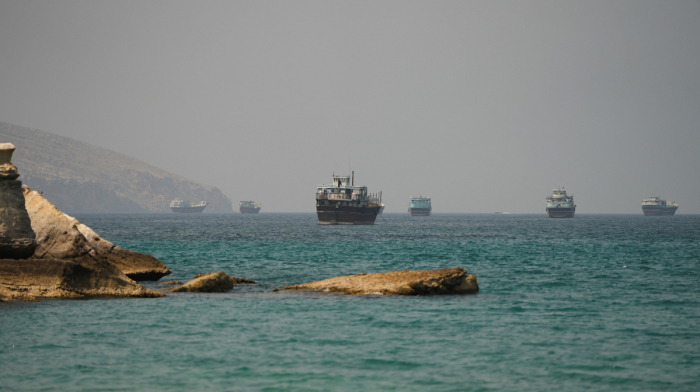
The vulnerability has become more pronounced as conflict and disruption around the Strait of Hormuz have affected global oil supplies, putting additional pressure on import-dependent economies.
$5 billion refinery upgrade plan
Attention is also turning to the infrastructure needed to convert imported crude oil into fuel.
Companies are expected to begin signing investment agreements worth around $5 billion to modernise Pakistan’s ageing refineries, moving beyond memorandums of understanding towards formal commitments.
The country’s refining sector has faced decades of underinvestment, leaving existing facilities largely dependent on ageing hydro-skimming technology.
Modernising that capacity would give Pakistan greater ability to process petroleum products domestically at a time when disruptions to international supply chains can quickly lead to higher costs and shortages.
Türkiye to revive offshore oil exploration
Pakistan is also seeking new domestic sources of oil and gas.
Turkish Petroleum is expected to begin offshore drilling in Pakistani territorial waters in September or October, reviving exploration after a gap of around two decades.
The project is expected to attract between $120 million and $130 million in investment. Any commercially viable discovery could eventually reduce Pakistan’s reliance on imported energy.
The offshore drilling plans come alongside efforts to accelerate domestic oil and gas exploration as Pakistan seeks to narrow the gap between production and demand.
For Pakistan, strengthening oil security involves tackling vulnerabilities on several fronts: maintaining access to reserves during a crisis, increasing its capacity to refine fuel domestically and searching for new sources of oil and gas.
Read more:



















What is your opinion on this topic?
Leave the first comment