



18:20 CET
Gaza war
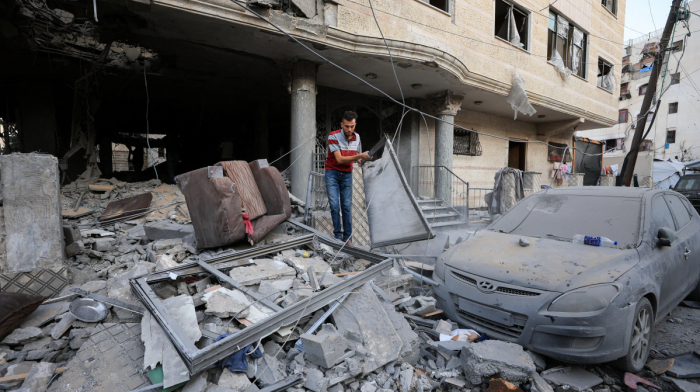
Israeli strike kills five in Gaza, including four women, health officials say
An Israeli air...
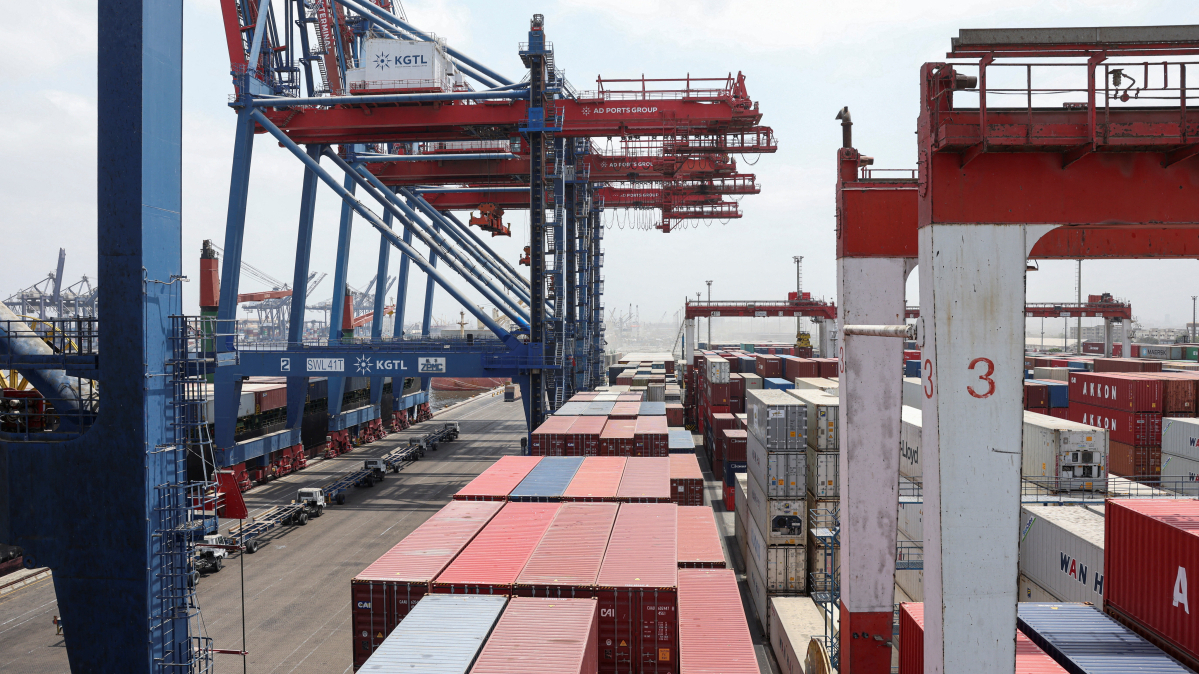


The Asian Development Bank (ADB) has lowered Pakistan's economic growth forecast for FY2027 to 3.7%, down from its April 2026 projection of 4.5%.
The lender cited higher energy costs and expected pressure on workers' remittances, signalling a slower recovery as regional instability continues to weigh on the economy.
In its Asian Development Outlook July 2026, the Manila-based lender said Pakistan's economy expanded by 3.7% in FY2026, which ended on 30 June. Growth was driven by the industrial and services sectors, alongside modest gains in agriculture.
The ADB also revised its inflation outlook. It now expects inflation to average 7.2% in FY2026, up from its April 2026 estimate of 6.4%. Inflation is forecast to rise to 8.3% in FY2027, compared with the earlier projection of 7.2%.
The bank attributed the revisions to higher food and fuel prices, as well as persistent spillover effects from the conflict in the Middle East.
The forecast is below Islamabad's 4% growth target for FY2027, but remains slightly above the International Monetary Fund's forecast of 3.5%.
The government has set an inflation target of 8.2% for the current fiscal year.
Pakistan's downgrade comes as the ADB also lowered its growth forecast for developing Asia and the Pacific to 4.9% in 2026, down from 5.5% in 2025.
It maintained its 2027 regional projection at 5.1%, saying prolonged disruption in global energy markets has increased costs for fuel, fertilisers and other commodities across the region.
"Durable implementation of the framework agreement would help normalise global energy markets, but the pace of adjustment is highly uncertain, with significant downside risks," ADB Chief Economist Albert Park said.
The ADB warned that renewed geopolitical tensions, tighter global financial conditions and higher trade barriers could further slow growth and add to inflationary pressures across developing economies, including Pakistan.

An Israeli air...
The co-...

A major bridge across the Dnipro river in Kyiv was hit in a Russian air attack on Saturday, the city's mayor, Vitali Klitschko said, as strikes...


Yemen's air force carried out 20 strikes on Houthi targets earlier on Friday, Brigadier General Majid Abdullah Al-Nuzaili, Spokesman for the Yemeni Armed Forces, said. Meanwhile, the Iran-backed Houthis denied targeting a power plant supplying energy to a mosque in Medina, Saudi Arabia.
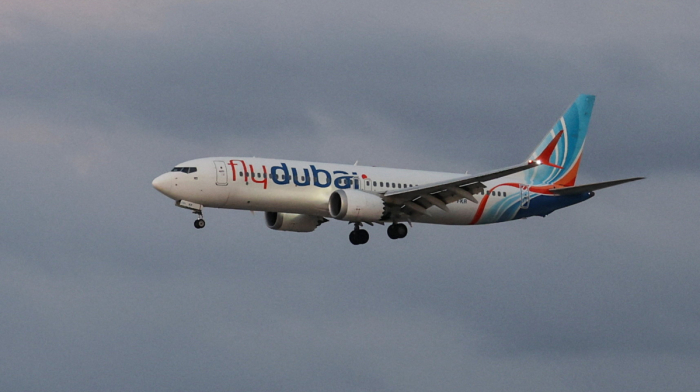
Hammam al-Hammami, the Flydubai co-pilot accused of stabbing the captain of an Israel-bound flight on Wednesday in a suspected terrorist attack, was banned from flying by Oman over concerns about his radical views, U.S. media reported on Friday, citing people familiar with the matter.

Azerbaijan and Armenia will sign a final peace agreement once Armenia amends its constitution to remove territorial claims against Azerbaijan, Hikmat Hajiyev, Assistant to Azerbaijan’s President Ilham Aliyev, has said.
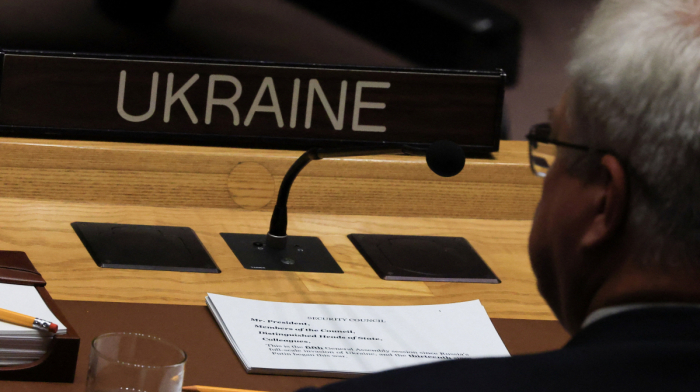
Ukraine is working to resolve a diplomatic dispute with South Korea after Kyiv publicly disclosed the transfer of two North Korean prisoners of war to Seoul, Ukrainian Foreign Minister Andrii Sybiha said on Thursday, 1 October.
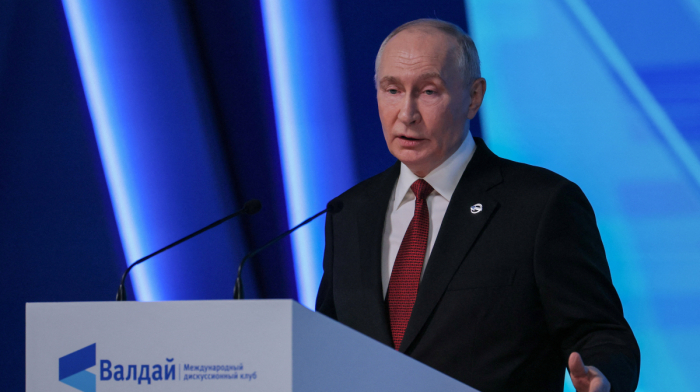
Russian President Vladimir Putin said on Thursday that Moscow wanted to end the war in Ukraine through negotiations as soon as possible, while insisting that any settlement must meet conditions acceptable to Russia and include security guarantees.
An Israeli airstrike killed at least five Palestinians, including four women, in an apartment building in Gaza City early on Saturday 3 October, health and civil defence service officials said.
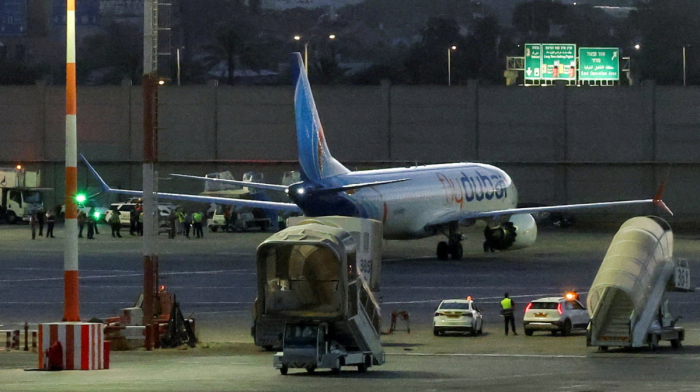
The co-pilot of Israel bound flydubai flight attempted to carry out a “terrorist attack” with an axe during the flight, the United Arab Emirates prosecutor general said on Saturday.
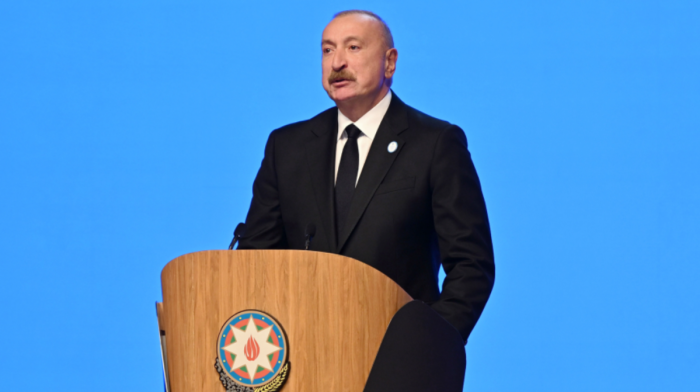
Azerbaijan’s President Ilham Aliyev warned against interference from outside actors in remarks at the 8th Congress of the New Azerbaijan Party in Baku on Friday 2 October.

Azerbaijan won 22 medals, including seven gold, at the Mingachevir Regatta 2026 as more than 100 young rowers from 12 countries competed in the international tournament.
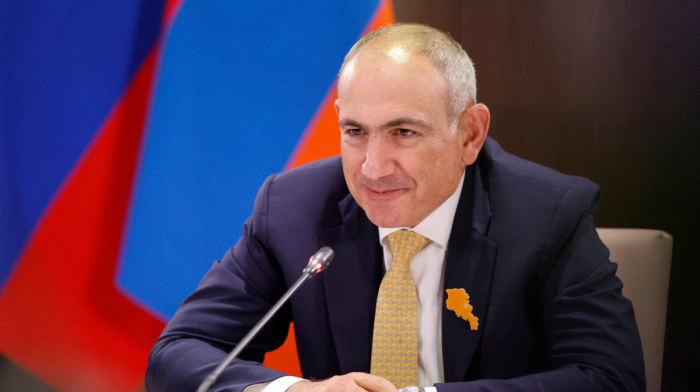
Armenian Prime Minister Nikol Pashinyan says the TRIPP project will establish a direct railway connection between Azerbaijan and Armenia and strengthen wider regional transport links.
You can download the AnewZ application from Play Store and the App Store.




What is your opinion on this topic?
Leave the first comment