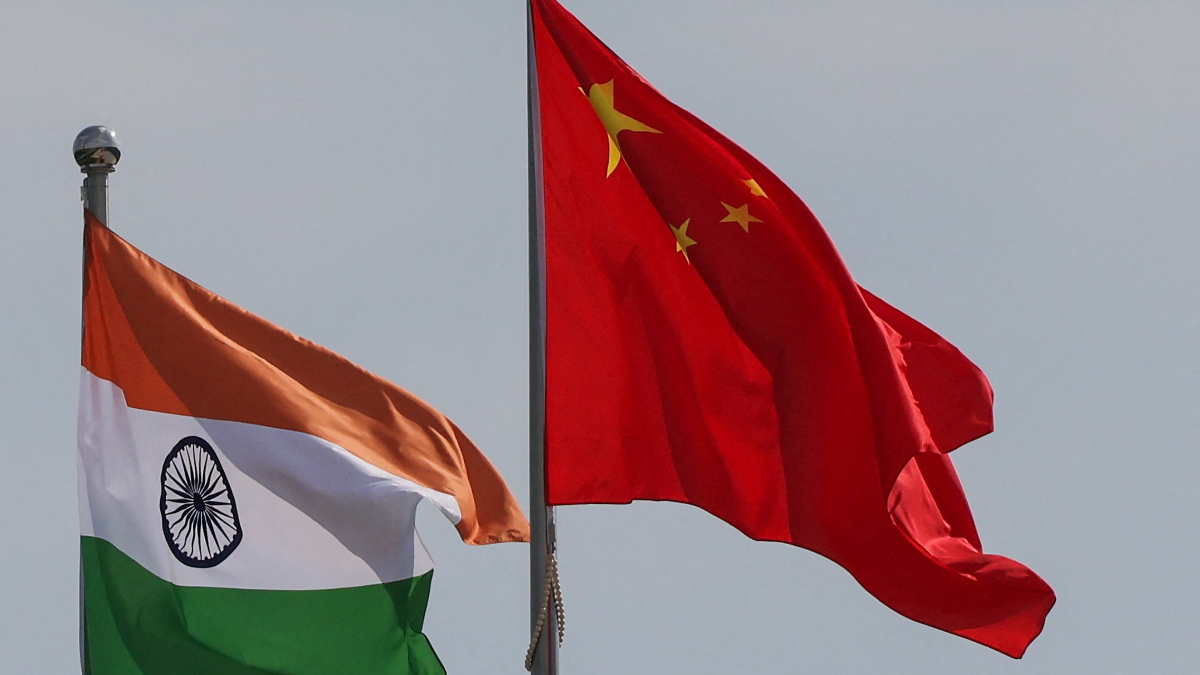
Indian National Security Adviser Ajit Doval and Chinese Foreign Minister Wang Yi held talks in New Delhi on the sidelines of the BRICS security advisers’ meeting, in the latest sign of gradual efforts to stabilise ties after years of border tensions.
India’s foreign ministry described the talks as “constructive and forward-looking”, saying both sides reviewed recent developments and noted progress toward “gradual normalisation” in bilateral relations.
Relations between Asia’s two largest powers deteriorated sharply after the deadly 2020 China–India skirmishes in June 2020, when 20 Indian and four Chinese soldiers were killed in the worst confrontation between the two countries in decades.
Since then, both sides have held multiple rounds of military and diplomatic talks aimed at easing tensions along the Line of Actual Control (LAC), though the wider border dispute remains unresolved.
According to China’s foreign ministry, Wang said both countries must respect each other’s “core interests” and properly manage sensitive issues.
BRICS meeting
The talks took place as India hosted the BRICS National Security Advisers’ meeting, bringing together members of the expanded BRICS bloc for discussions on security coordination, geopolitical risks and economic cooperation.
Wang also called for the resumption of broader bilateral dialogue mechanisms and deeper cooperation in trade, finance, law enforcement and media, according to Beijing’s readout.
He added that BRICS should continue supporting a multipolar world order, a key objective for China and other members seeking greater influence in global governance.
Economic ties
Despite years of military tensions, economic relations between India and China have remained strong.
China remains one of India’s largest trading partners, with bilateral trade exceeding $100 billion in recent years, underlining the complex interdependence between the two neighbours.
Analysts say sustained engagement through BRICS and bilateral channels suggests both sides remain focused on preventing further escalation while managing long-standing strategic competition.
Read more:
















What is your opinion on this topic?
Leave the first comment