World Health Organization says it regrets U.S. decision to withdraw
The World Health Organization (WHO) has said it regrets the United States’ formal decision to withdraw from the UN health body and has expressed hop...
Iran’s Supreme Leader Ayatollah Ali Khamenei on Wednesday rejected U.S. President Donald Trump’s demand for unconditional surrender, warning that any American military action would bring severe consequences.
In a televised statement, Khamenei made his first public remarks since Friday, when Israel launched airstrikes across Iran. He stressed that peace or war could not be dictated to the Islamic Republic.
“Intelligent people who know Iran, the Iranian nation, and its history will never speak to this nation in threatening language because the Iranian nation will not surrender,” he said. “The Americans should know that any U.S. military intervention will undoubtedly be accompanied by irreparable damage.”
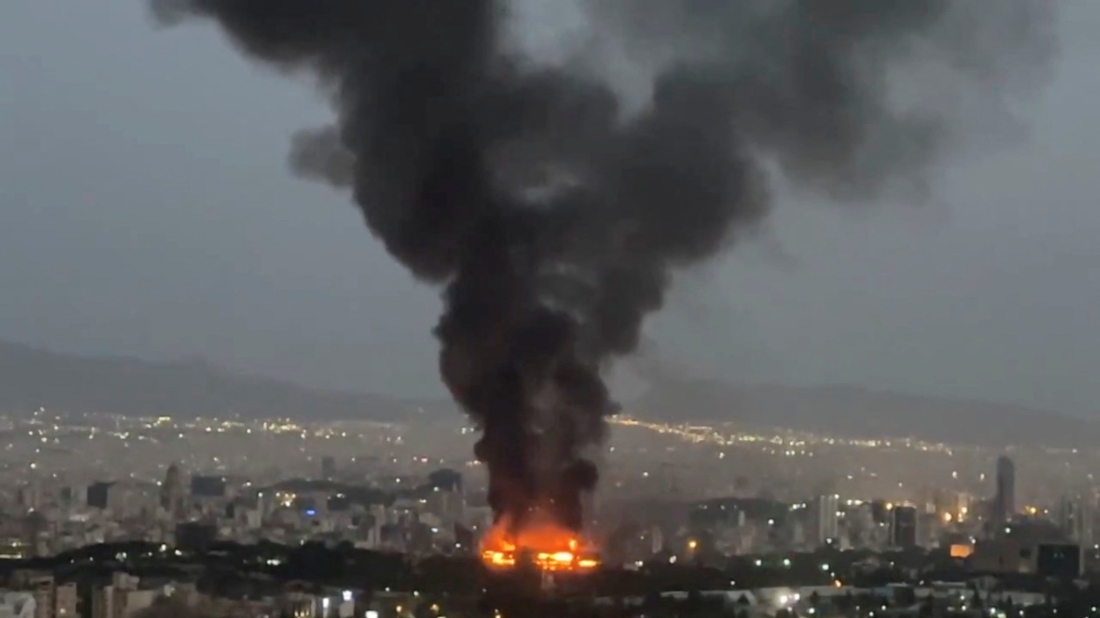
Thousands of residents fled Tehran on Wednesday after Israeli jets bombed the city overnight. Israel’s military said 50 fighter jets struck 20 targets in the Iranian capital, focusing on facilities linked to missile production.
A source familiar with White House discussions said President Trump and his team were weighing options, including potential U.S. participation in strikes on Iranian nuclear sites.
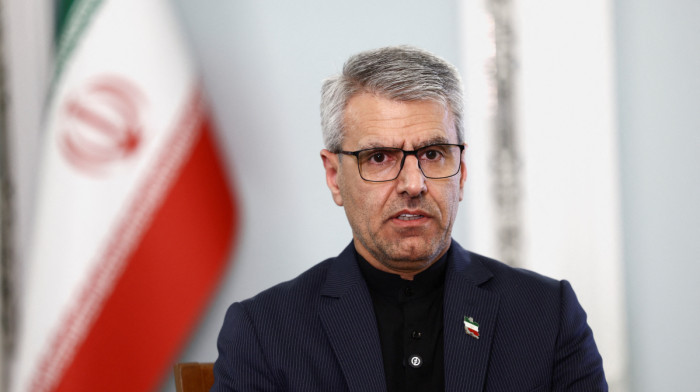
Iran’s ambassador to the United Nations in Geneva, Ali Bahreini, warned that Tehran would retaliate if the U.S. took direct action. “We already see the United States as complicit in what Israel is doing,” he said.

President Donald Trump said on Thursday that the United States has an "armada" heading toward Iran but hoped he would not have to use it, as he renewed warnings to Tehran against killing protesters or restarting its nuclear programme.
Firefighters were clearing the charred ruins of a Karachi shopping mall in Pakistan on Tuesday (20 January) as they searched for people still missing after a fire that burned for nearly two days and killed at least 67 people, police said.
Iran will treat any military attack as an “all-out war,” a senior Iranian official said on Friday, as the United States moves additional naval and air assets into the Middle East amid rising tensions.
Trilateral negotiations between Ukraine, Russia and the U.S. entered a second day in Abu Dhabi on Saturday, following an initial round of talks described by officials as productive.
In the snowy peaks of Davos, where the world’s most powerful leaders gather for the 56th World Economic Forum, a new narrative is emerging that challenges the current dominance of artificial intelligence (AI).
A four-day ceasefire agreement between the Syrian government and Kurdish forces, which expired on Saturday night, has been extended by 15 days, Syria’s defence ministry said on Saturday.
Tens of thousands of people accused of links to Islamic State remain detained in camps across northeast Syria, as control shifts from Kurdish forces to the Syrian army, raising fresh legal, humanitarian and security concerns.
Uzbekistan has adopted new legislation regulating the use of artificial intelligence, introducing fines for the unlawful processing of personal data and banning legally binding decisions based solely on AI systems.
Türkiye’s Foreign Minister Hakan Fidan said on 23 January there are signs Israel is still seeking an opportunity to attack Iran, warning that such a move could further destabilise the Middle East.
U.S. President Donald Trump thanked Azerbaijan and Armenia for upholding last August’s peace deal and said Vice President J.D. Vance will visit both countries in February.
You can download the AnewZ application from Play Store and the App Store.
What is your opinion on this topic?
Leave the first comment