live Iran’s Supreme Leader Ayatollah Ali Khamenei is dead, state media confirms
Follow the latest developments and global reaction after the U.S. and Israel launched “major combat operations” in Iran, prompting reta...
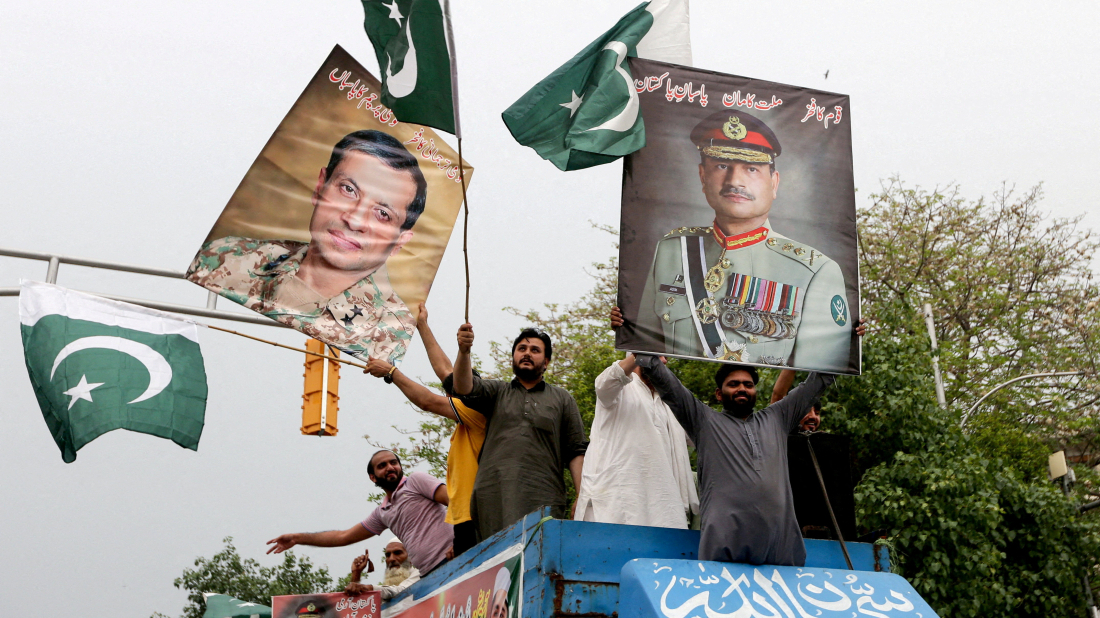
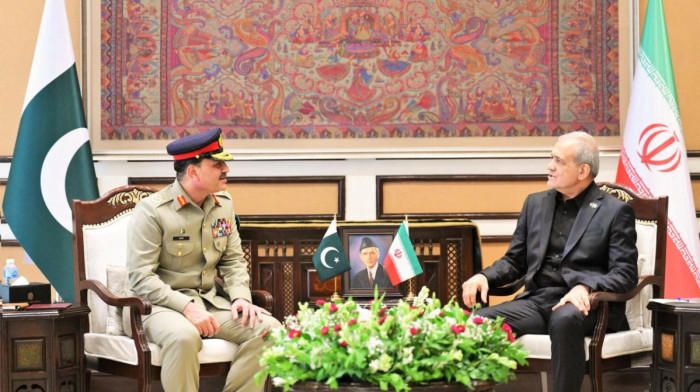
The Pakistani people declared the country's army chief, General Asim Munir, a beloved strongman during the India-Pakistan Conflict.
General Asim Munir, Pakistan’s army chief and now Field Marshal, has seen a surge in popularity following the country's most serious conflict with India in decades. Once criticized for political interference and suppressing opposition, Munir is now hailed as a national hero.
The government promoted him in recognition of his "strategic brilliance" after Pakistan claimed a decisive military response to Indian air strikes. Public support soared, with rallies nationwide and Gallup Pakistan reporting 93% of respondents had a more favorable view of the military.
Even jailed former Prime Minister Imran Khan, Munir's top domestic critic, praised the armed forces' performance. Analysts say the recent clash has restored the military’s image and cemented Munir’s dominance.
A devout Muslim and former intelligence chief, Munir emphasized ideological differences with Hindu-majority India, framing the conflict in religious terms. He dubbed Pakistan's counter-strike "Bunyan Marsoos" - Iron Wall, referencing a Koranic verse.
Munir remains in office until 2027, and experts believe the conflict has solidified his grip on power in a country where the military has long held sway.

Follow the latest developments and global reaction after the U.S. and Israel launched “major combat operations” in Iran, prompting retaliation from Tehran.
Tensions between the U.S. and Iran are escalating, with Washington ordering a significant military build-up in the region and multiple countries evacuating diplomatic staff amid fears of further instability.
Two people were killed and around 40 injured when a tram derailed in central Milan on Friday (27 February), a spokesperson for the local fire service said.
Governments across the region responded swiftly to Israel’s strikes on Iran, closing airspace, issuing travel advisories and activating contingency plans amid fears of escalation.
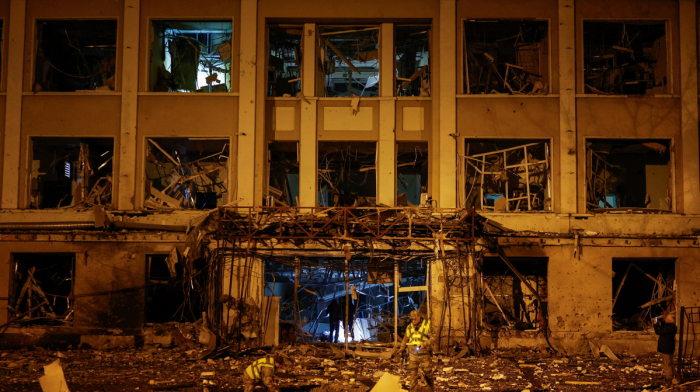
Pakistani air strikes hit a weapons depot on the western outskirts of Kabul overnight, triggering hours of secondary explosions that rattled homes across the Afghan capital and left residents fearing further violence.
Follow the latest developments and global reaction after the U.S. and Israel launched “major combat operations” in Iran, prompting retaliation from Tehran.
Journalist and International Affairs Commentator, Tom Gross, joined AnewZ from Tel Aviv to tell us why he thinks the attack happened now and whether this could mark the beginning of the end for the Iranian leadership.
Following the U.S.-Israel strikes, Iran has called for an urgent meeting of the United Nations Security Council to be held on Monday (2 March), and vowed strong retaliation to the attacks. Touraj Shiralilou sent this update from Tehran.
The international reaction to the U.S. and Israel’s strikes on Iran came in fast and strong.
Governments across the region responded swiftly to Israel’s strikes on Iran, closing airspace, issuing travel advisories and activating contingency plans amid fears of escalation.
You can download the AnewZ application from Play Store and the App Store.
What is your opinion on this topic?
Leave the first comment