Syrian army crushes SDF advance as Aleppo clashes rage
A significant number of members of the Syrian Democratic Forces (SDF), affiliated with the PKK/YPG, have reportedly defected in Aleppo as Syrian secur...
Benjamin Netanyahu’s visit to Hungary signals diplomatic defiance as he travels despite an ICC arrest warrant. With Hungary rejecting the court’s ruling, the trip highlights shifting alliances while Israel presses ahead with its military operations in Gaza amid growing international pressure.
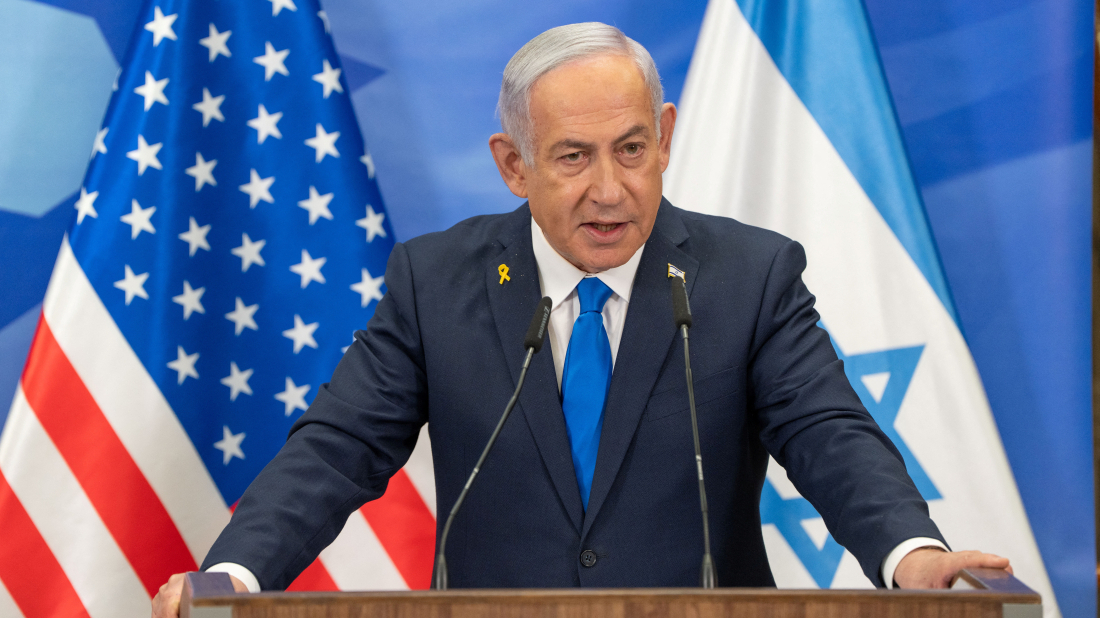
Israeli Prime Minister Benjamin Netanyahu begins a four-day visit to Hungary on Thursday, despite an International Criminal Court (ICC) arrest warrant over alleged war crimes in Gaza. Hungary, an ICC member, has stated it will not enforce the warrant.
Netanyahu will meet Hungarian Prime Minister Viktor Orban and hold a press conference. His visit follows growing political pressure at home over an investigation into alleged ties between Qatar and his aides, which he has dismissed as "fake news".
This marks his second trip abroad since the ICC issued warrants for him and former Defence Minister Yoav Gallant. His itinerary includes a visit to a Holocaust memorial.
Orban, a strong supporter of Israel, has condemned the ICC's ruling as "unacceptable". The ICC maintains that member states must uphold its decisions.
Meanwhile, Israel continues its military operation in Gaza, aiming to establish a security zone and secure the release of remaining hostages.

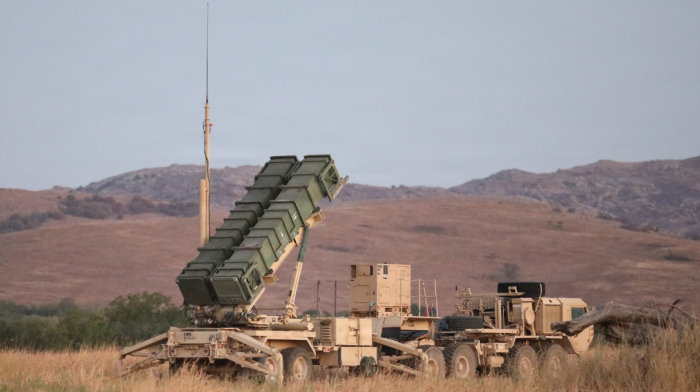
Open-source intelligence (OSINT) sources reported a significant movement of U.S. military aircraft towards the Middle East in recent hours. Dozens of U.S. Air Force aerial refuelling tankers and heavy transport aircraft were observed heading eastwards, presumably to staging points in the region.
Snow and ice stalled travellers in northwest Europe on Wednesday, forcing around a thousand to spend the night in Amsterdam's Schiphol airport but delighting others who set out to explore a snow-blanketed Paris on sledges and skis.
Diplomatic tensions between Tokyo and Beijing escalated as Japan slams China's export ban on dual-use goods. Markets have wobbled as fears grow over a potential rare earth embargo affecting global supply chains.
Two people have been killed after a private helicopter crashed at a recreation centre in Russia’s Perm region, Russian authorities and local media have said.
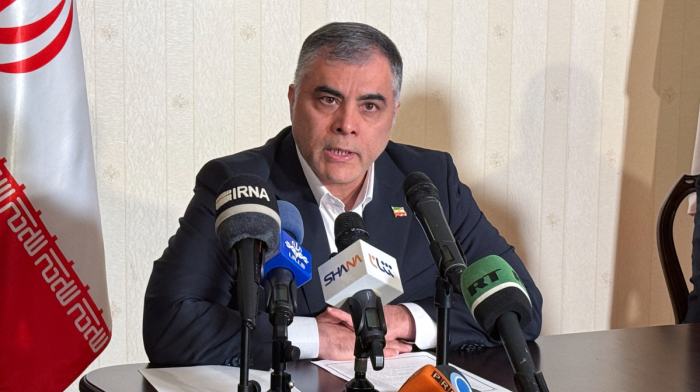
Iran’s chief justice has warned protesters there will be “no leniency for those who help the enemy against the Islamic Republic”, as rights groups reported a rising death toll during what observers describe as the country’s biggest wave of unrest in three years.
Tens of thousands of Iranians have taken to the streets in Tehran and across at least 28 cities in a wave of anti-government demonstrations, now entering their twelfth day.
Iran is now facing a near‑total internet blackout as anti-government protests sweep the country. Major cities including Tehran have seen connectivity drop sharply, leaving millions of residents isolated from online communication.
A series of statements by Georgian Parliament Speaker Shalva Papuashvili has reignited debate over freedom of speech, the role of the Orthodox Church, and the influence of the European Union.
A significant development in the complex Azerbaijan - Armenia scenario is the growing confrontation between Armenia’s political leadership and the Armenian Apostolic Church.
President Ilham Aliyev has said the opening of the Zangezur corridor is no longer in question, describing it as a strategic transport link that will connect mainland Azerbaijan with the Nakhchivan Autonomous Republic and carry cargo from China and Central Asia to wider regional markets.
You can download the AnewZ application from Play Store and the App Store.
What is your opinion on this topic?
Leave the first comment