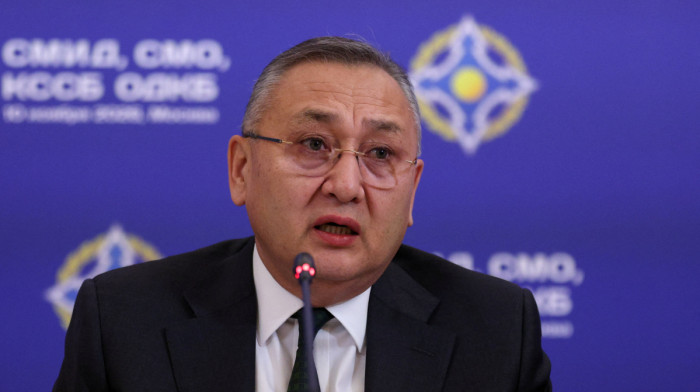
CSTO Secretary General: No plans to expel Armenia from alliance
The Collective Security Treaty Organisation (CSTO) is not considering expelling Armenia and the country retains the security guarantees provided by...
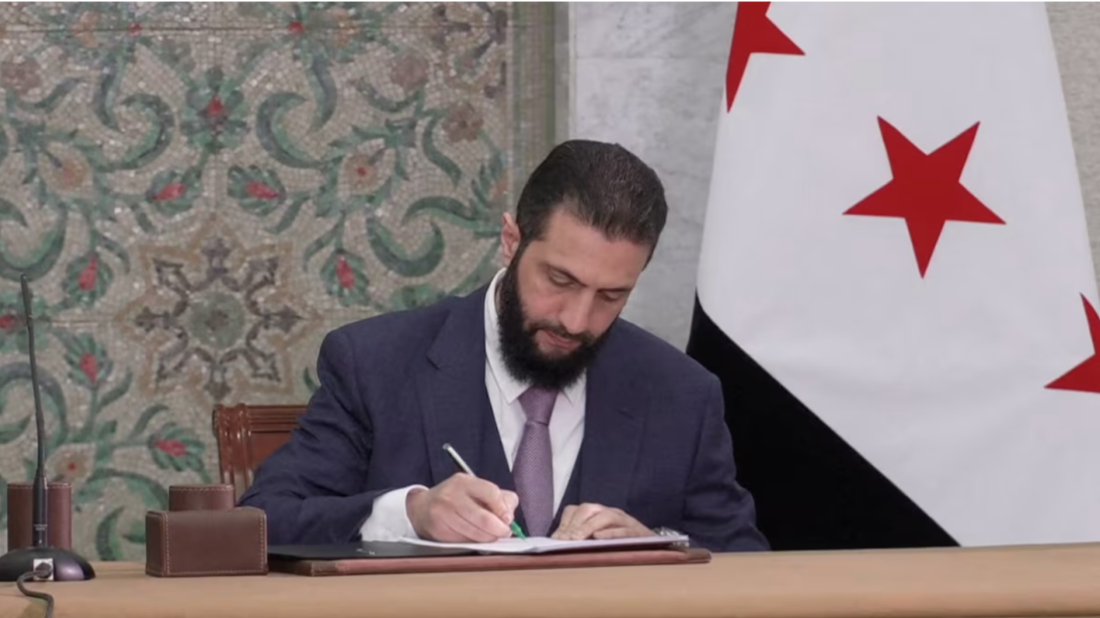
Syria's interim president signed a temporary constitution on Thursday, establishing Islamist rule for a five-year transitional period, along with rights for women, freedom of expression and justice for Assad victims.
Syria’s leader, Ahmed al-Sharaa, has hailed the start of a “new history” for his country, after signing into force a constitutional declaration.
Syria’s interim president, Ahmad al-Sharaa, expressed hope that the constitutional declaration would mark the beginning “a new history for Syria, where we replace oppression with justice … and suffering with mercy,” as he signed the document at the presidential palace on Thursday.
The document says Islam is the religion of the president, as the previous constitution did, and Islamic jurisprudence is "the main source of legislation", rather than "a main source", according to the drafting committee.
It also enshrines separation of powers and judicial independence, and guarantees women's rights, freedom of expression and media freedom.
The president would have executive authority during the transitional period, he said, but would have only one "exceptional power" – the ability to declare a state of emergency.
A new People's Assembly will have full responsibility for legislation. Two thirds of its members will be appointed by a committee selected by the president and one third chosen by the president himself.
Sharaa has promised an inclusive government that will run the country until the new constitution is finalised and free and fair elections are held.

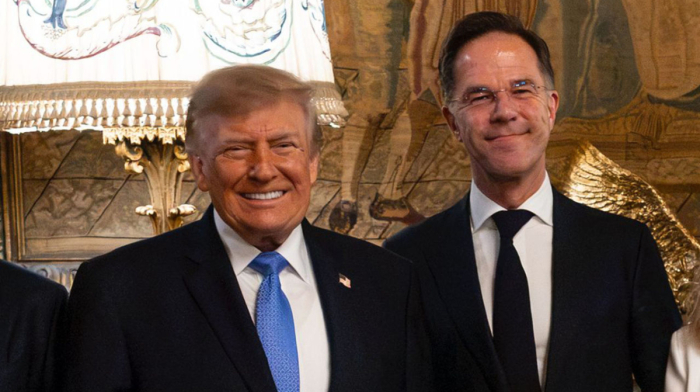
U.S. President Donald Trump and NATO Secretary General Mark Rutte urged Russia to avoid widening the war in Ukraine and called for a swift peaceful resolution during talks in Florida on Wednesday (25 November). They also discussed NATO defence spending and the war in Iran.
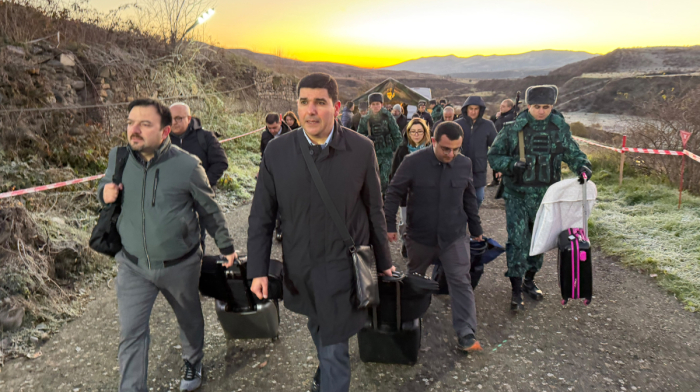
Civil society representatives from Armenia and Azerbaijan are meeting in Armenia on 26 and 27 November, in the latest round of talks aimed at building support for peace.
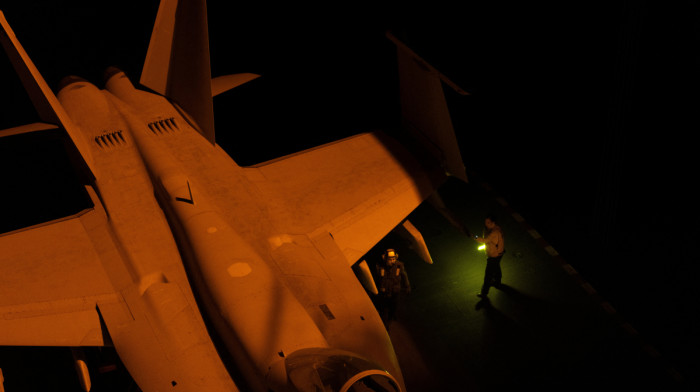
Iran's Islamic Revolutionary Guard Corps (IRGC) claimed on Friday that its air defence systems fired warning shots at a U.S. F-16 fighter jet near Hengam Island, forcing the aircraft to turn away amid continuing tensions over maritime navigation in the Strait of Hormuz.
Here's your AnewZ Daily Brief for the 26th of November, covering the latest culture news.
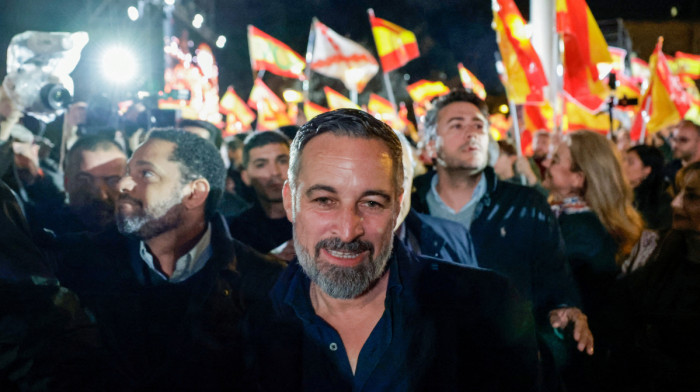
Spain votes on 29 November in a snap election that could give the far right a place in national government for the first time since General Francisco Franco's dictatorship ended in 1975.
The Collective Security Treaty Organisation (CSTO) is not considering expelling Armenia and the country retains the security guarantees provided by membership of the military alliance, the organisation's Secretary-General has said.
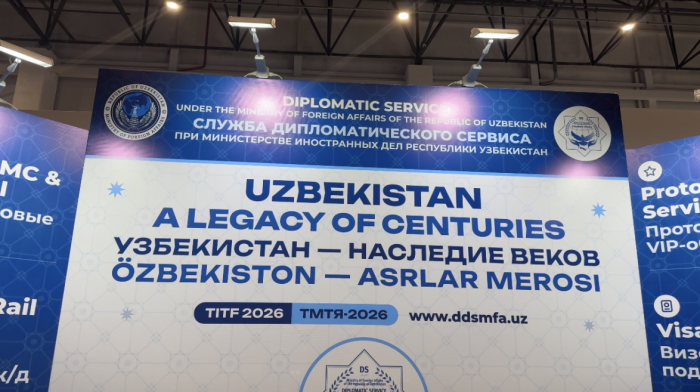
Uzbekistan and UN Tourism have officially launched 2027 as the International Year of Sustainable and Resilient Tourism at the 31st Tashkent International Tourism Fair.
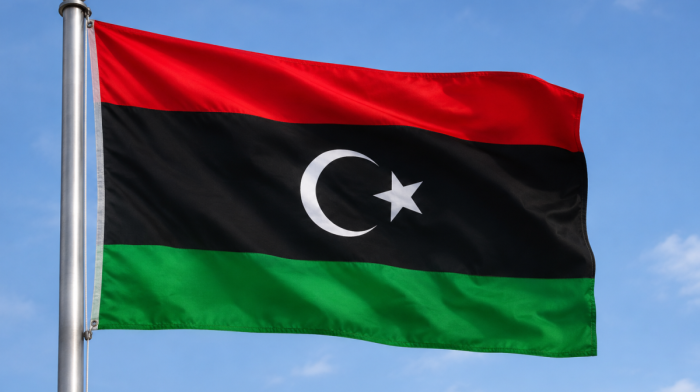
Algeria, Egypt and Tunisia have called for synchronised parliamentary elections in Libya, stepping up diplomatic efforts to end a political deadlock that has divided the country for more than a decade.
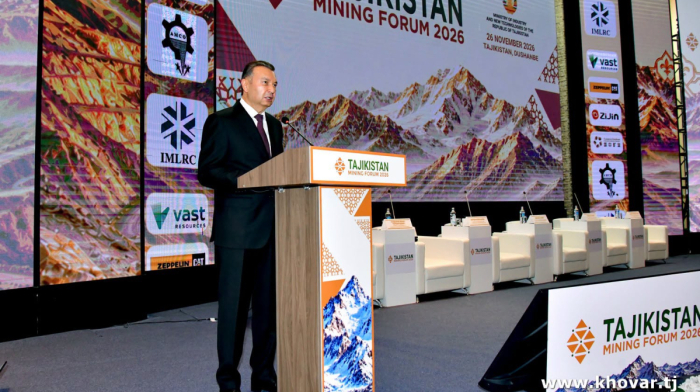
Tajikistan is seeking foreign investment in mining and metals processing as it looks to reduce its reliance on raw material exports.
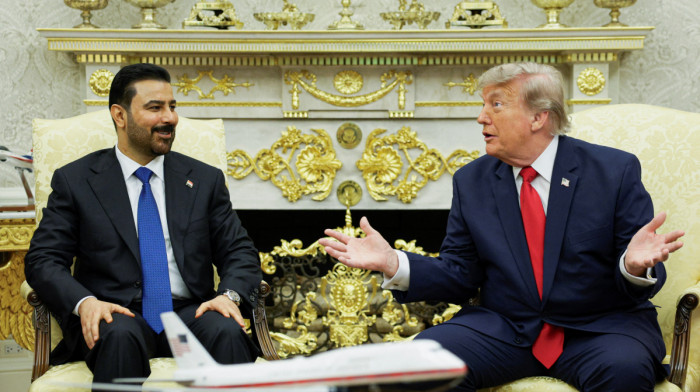
U.S. President Donald Trump has backed Iraqi Prime Minister Ali al-Zaidi’s efforts to strengthen government control across the country, curb oil smuggling, stamp out corruption and bring armed groups under state authority.
You can download the AnewZ application from Play Store and the App Store.
What is your opinion on this topic?
Leave the first comment