The Organization of Islamic Cooperation (OIC) is set to condemn Trump’s Gaza “Riviera” plan, backing Egypt’s $53 billion reconstruction proposal. A classified draft resolution, rejects the relocation of Gazans, calls for urgent international support, and mobilises opposition to the U.S. stance.
In a significant diplomatic escalation, the Organization of Islamic Cooperation (OIC) is set to formally condemn former U.S. President Donald Trump’s proposed Gaza "Riviera” plan.
The classified document, marked “Very Urgent,” outlines plans for an emergency meeting of OIC foreign ministers in Jeddah, Saudi Arabia, where the 57-member bloc will vote on a resolution rejecting any attempt to relocate Palestinians from Gaza.
The draft resolution, obtained exclusively by AnewZ, describes Trump’s proposed relocation of Gazans as “ethnic cleansing” and “a grave violation of international law and a crime against humanity under the Rome Statute of the International Criminal Court.”
In a direct challenge to the U.S. position, the document explicitly endorses Egypt’s $53 billion reconstruction plan for Gaza – the same blueprint that received backing at this week’s high-profile Cairo summit attended by key Arab nations.
“The OIC welcomes the plan presented by the Arab Republic of Egypt, in full coordination with the State of Palestine and the Arab States,” the draft resolution states, urging “the international community and international and regional funding institutions to swiftly provide the necessary support.”
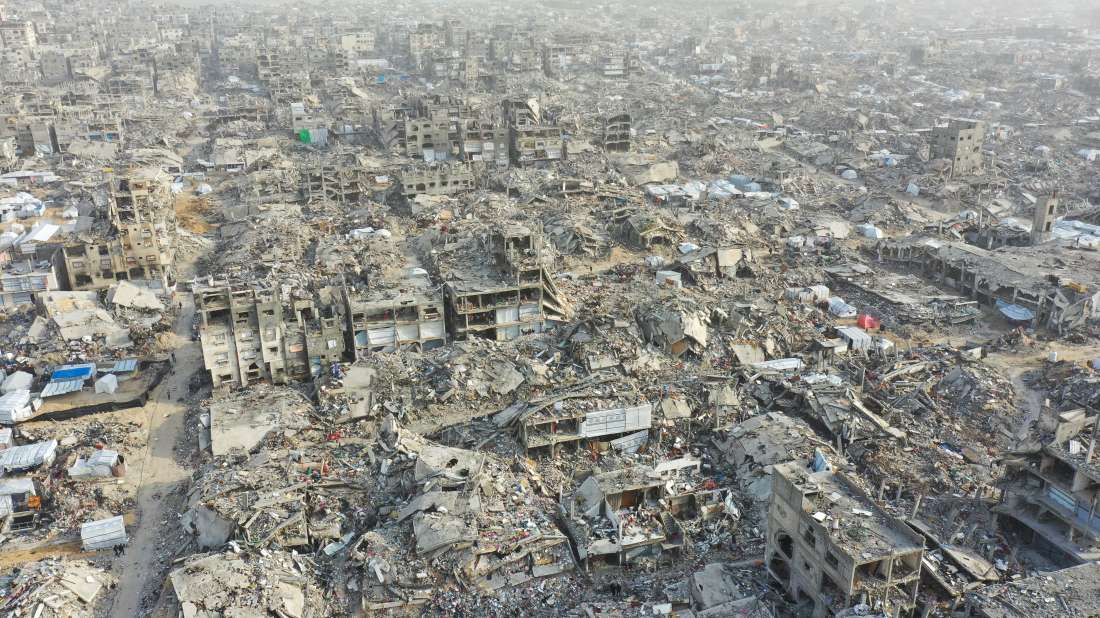
Egypt’s alternative vision for Gaza, as previously reported, aims to keep the territory’s two million residents in their homeland while focusing on large-scale reconstruction efforts. The plan includes clearing 50 million tons of rubble, establishing temporary housing, and developing sustainable communities featuring renewable energy, an airport, and seaports.
What makes this diplomatic confrontation particularly significant is the involvement of nations that normalized relations with Israel through the Abraham Accords during Trump’s first term. These countries are now aligning against his Gaza proposal.
The draft resolution also reveals plans for an international conference in Cairo “as soon as possible” to coordinate Gaza’s reconstruction and establish a trust fund for recovery projects. It calls for creating a separate fund to support approximately 40,000 orphaned children in Gaza and providing prosthetics to thousands of amputees, specifically referencing Jordan’s “Restoring Hope” initiative.
In its most forceful language, the document characterizes Trump’s proposal as an attempt to “liquidate the Palestinian cause” and mobilizes international pressure to counter it.
The resolution also supports the upcoming International Conference on the Two-State Solution, to be held at UN headquarters in New York in June 2025, chaired by Saudi Arabia and France.
The OIC document extends beyond Gaza to address regional tensions, condemning Israeli actions in Lebanon and Syria while calling for implementation of existing ceasefire agreements.
As diplomatic battles intensify over Gaza’s future, this exclusive document provides unprecedented insight into the unified opposition forming against President Trump’s controversial vision for the territory and its people.
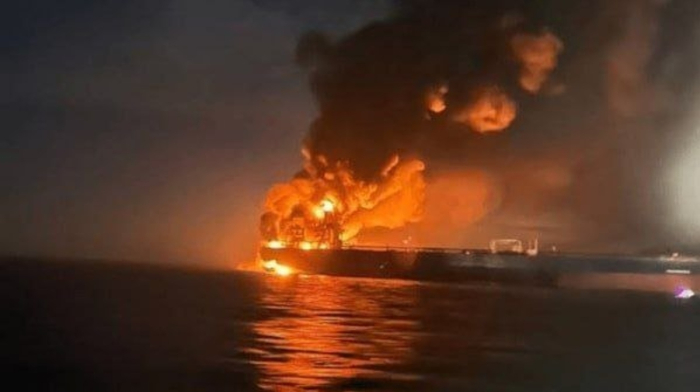
Saudi Aramco has ordered staff to evacuate its headquarters amid escalating Houthi attacks on the kingdom. Two people were killed in an attack on Dammam airport, while Iran's IRGC Navy claimed strikes on seven vessels and warned the U.S. of a wider response.
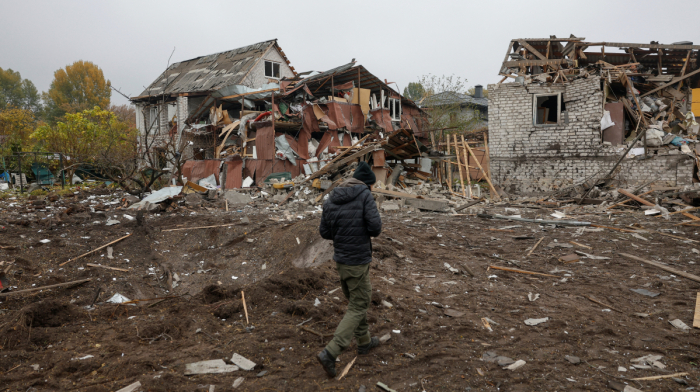
Russian strikes on Ukraine overnight killed at least two people and injured 15 others, including two children, Ukrainian authorities said. Meanwhile, Russia said it had intercepted the vast majority of 630 Ukrainian drones launched towards Moscow.
Russia is willing in principle to resume peace talks with Ukraine and the United States in November, Kremlin aide Yuri Ushakov said after President Vladimir Putin met U.S. special envoy Steve Witkoff in St Petersburg.
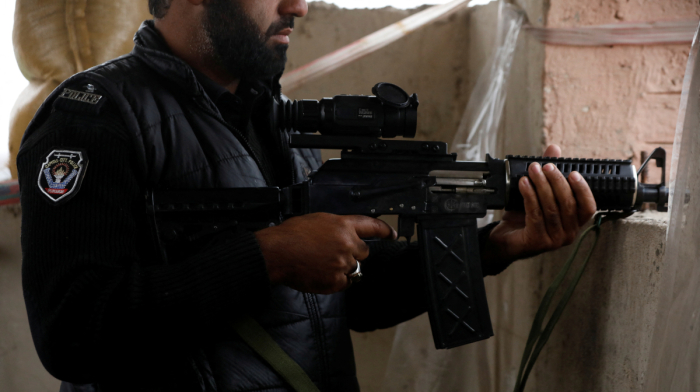
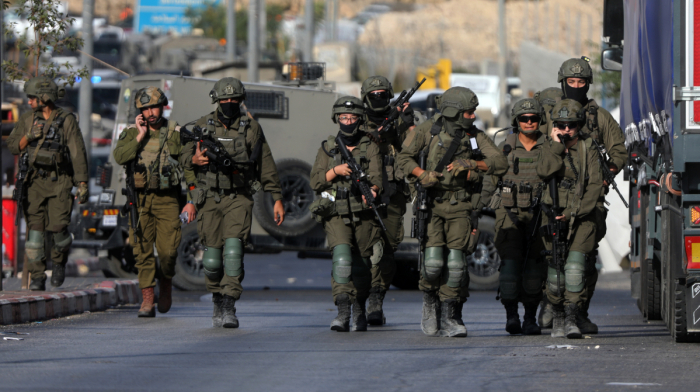
Israeli military bulldozers have begun demolishing buildings in the West Bank city of Hebron on Friday, 23 October, following armed clashes with Palestinians that left two Israeli soldiers dead, according to the Israeli military.
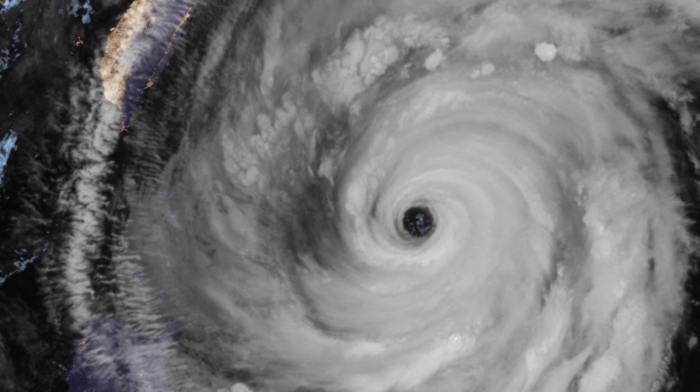
Super typhoon Champi is set to batter Japan’s Okinawa Prefecture from Friday (23 October), bringing violent winds, torrential rain and waves up to 11 metres high, as airlines cancel flights and organisers scrap a major festival.
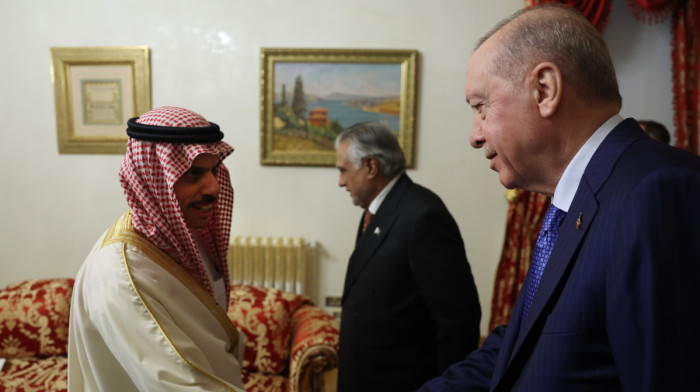
Foreign ministers meeting in Istanbul on Friday warned that renewed military strikes on Iran could deepen the regional conflict, urging diplomatic efforts to prevent further escalation.
Georgia’s Constitutional Court has extended hearings in a case seeking to ban five opposition parties, with proceedings now set to continue until 30 October. The court in Batumi will resume hearings on Monday, 26 October, after missing its original 23 October deadline.
Pakistan and the European Union have agreed to step up counterterrorism cooperation as security concerns over Afghanistan grow and tensions between Islamabad and Kabul persist.
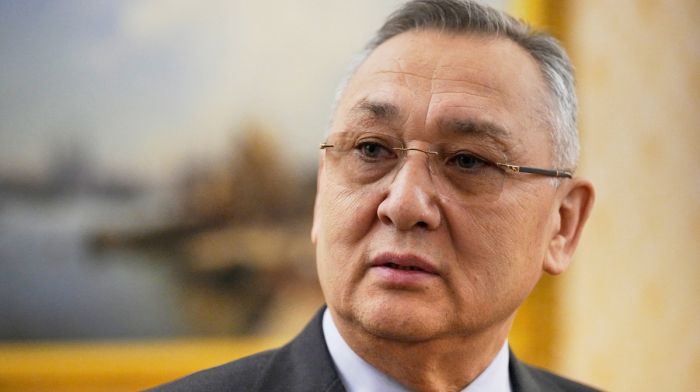
The head of the Russian-led Collective Security Treaty Organization (CSTO) says Armenia has effectively withdrawn from the military alliance, despite not formally ending its membership.
Uzbekistan’s President Shavkat Mirziyoyev has approved a new alphabet, bringing the Latin-script Uzbek alphabet closer to other alphabets used in the Turkic world.
Download the AnewZ app
You can download the AnewZ application from Play Store and the App Store.













What is your opinion on this topic?
Leave the first comment