Armenia signals progress on U.S.-backed TRIPP corridor at Antalya forum
Global leaders have gathered in Antalya Diplomacy Forum, with discussions centred on geopolitical uncertainty and international cooper...
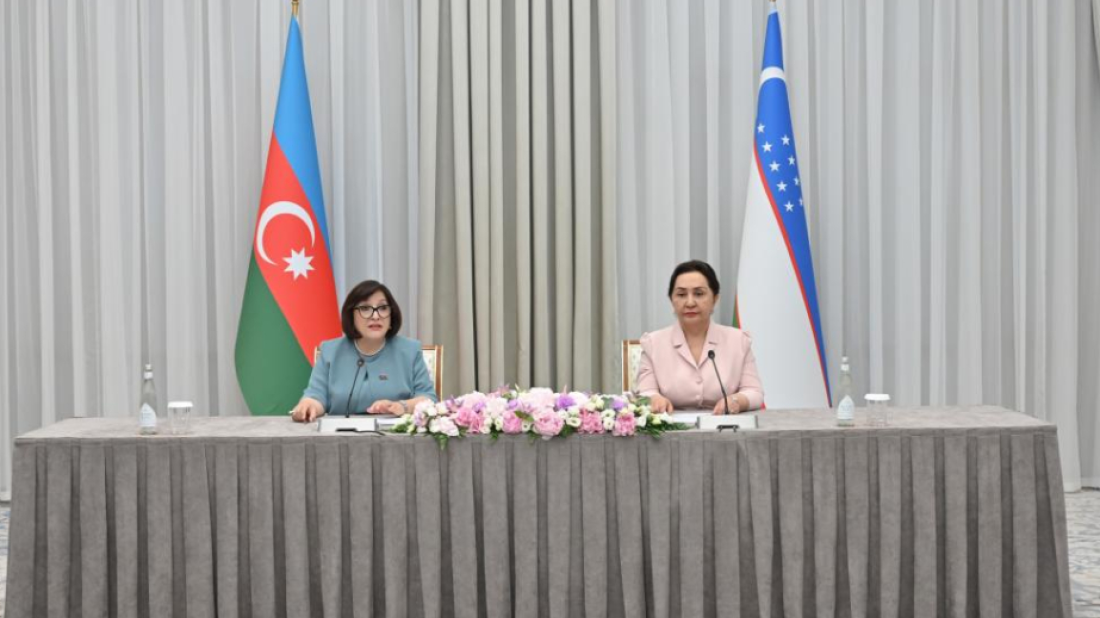
Uzbekistan and Azerbaijan launched their first interparliamentary forum in Khiva on 1 July, marking a new chapter in bilateral legislative cooperation between the two countries.
The inaugural Uzbekistan-Azerbaijan Interparliamentary Forum opened in Khiva with the participation of parliamentary speakers and lawmakers from both countries. Speaker of Azerbaijan’s Milli Majlis, Sahiba Gafarova, described the event as a historic milestone — the first such forum Azerbaijan’s parliament has ever held with a foreign legislative body.
Gafarova highlighted the contributions of National Leader Heydar Aliyev to the close ties between the two nations. She pointed to the naming of Heydar Aliyev Square in Tashkent as a symbol of Uzbekistan’s respect and enduring friendship.
The speaker also celebrated the 30th anniversary of diplomatic relations and noted that, under Presidents Ilham Aliyev and Shavkat Mirziyoyev, the two countries have developed into strong, independent states with deepening cooperation.
Gafarova expressed gratitude for Uzbekistan’s support during the Second Karabakh War and the post-war recovery, including the construction of a school in Fuzuli and a textile enterprise in Khankendi — both seen as gestures of solidarity and friendship.
She stressed the importance of parliamentary diplomacy in fostering stronger bilateral and regional ties.
Speaker of the Uzbek Senate, Tanzila Narbaeva, called the forum a landmark in the evolving relationship between Uzbekistan and Azerbaijan. She said the event demonstrates a shared commitment to parliamentary values and regional cooperation, and expressed hope it would become a regular platform for dialogue, initiatives, and joint programmes.
The forum continued with thematic sessions focused on expanding legislative collaboration and regional development.

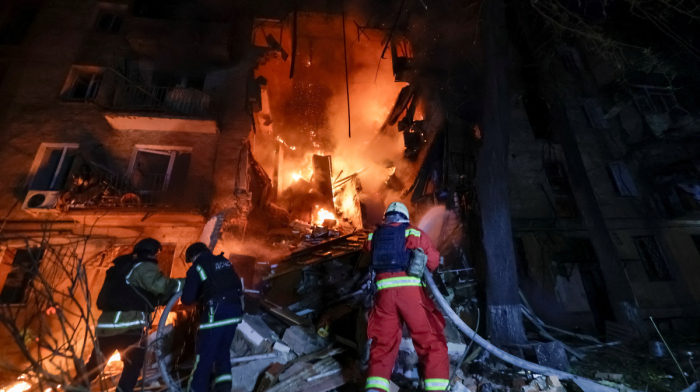
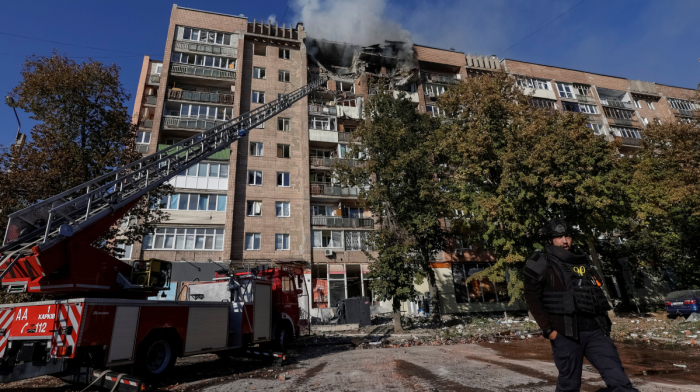
The past 24 hours of the Russia-Ukraine war have seen a drastic escalation in both aerial bombardment and frontline losses.
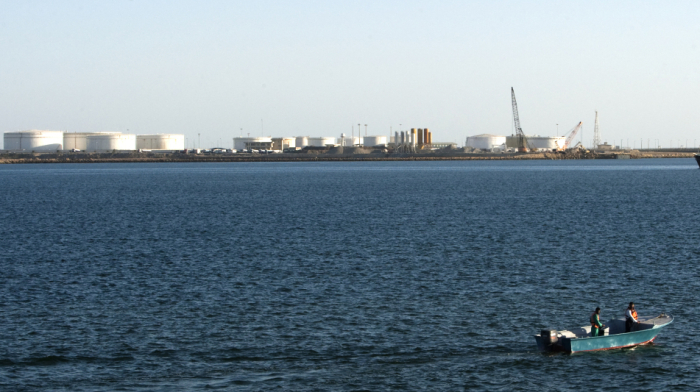
Iran reopened the Strait of Hormuz to commercial shipping on Friday (17 April) for the first time since the U.S. and Israel killed Iran's ex-Supreme Leader in air strikes, triggering the Middle East conflict, at the end of February. A U.S. blockade on Iranian ports, however, remains in force.
Russia published addresses of manufacturers allegedly producing drones or components for Ukraine on Wednesday (15 April), warning European countries against plans to step up UAV supplies to Kyiv.
Iran's Islamic Revolutionary Guards Corps (IRGC) said in a Saturday statement that the Strait of Hormuz has returned to its "previous state" under the control of its "armed forces," citing the ongoing U.S. blockade on Iranian ports.
Netflix shares fell sharply on Friday after the streaming group issued a weaker-than-expected outlook and said chairman and co-founder Reed Hastings will step down from the board.
Global leaders have gathered in Antalya Diplomacy Forum, with discussions centred on geopolitical uncertainty and international cooperation.
Syrian President Ahmed al-Sharaa has said his country could provide a “safe corridor” and “alternative route” for regional energy shipments, as supply disruptions continue to affect the wider Middle East.
An average of at least 47 women and girls were killed each day during the war in Gaza, according to new figures released by UN Women.
China is seeking to strengthen and upgrade its cooperation with Turkmenistan, focusing on what officials describe as “high-quality development” across a range of sectors.
Kazakhstan plans to boost trade with Afghanistan from $500 million to $3 billion, backed by infrastructure and transit projects designed to strengthen regional connectivity and improve access to global markets.
You can download the AnewZ application from Play Store and the App Store.
What is your opinion on this topic?
Leave the first comment