Explosion reported at Riyadh airport amid rising security concerns
A powerful explosion has been reported at King Khalid International Airport in Riyadh, raising fresh concerns over aviation security in Saudi Arabi...
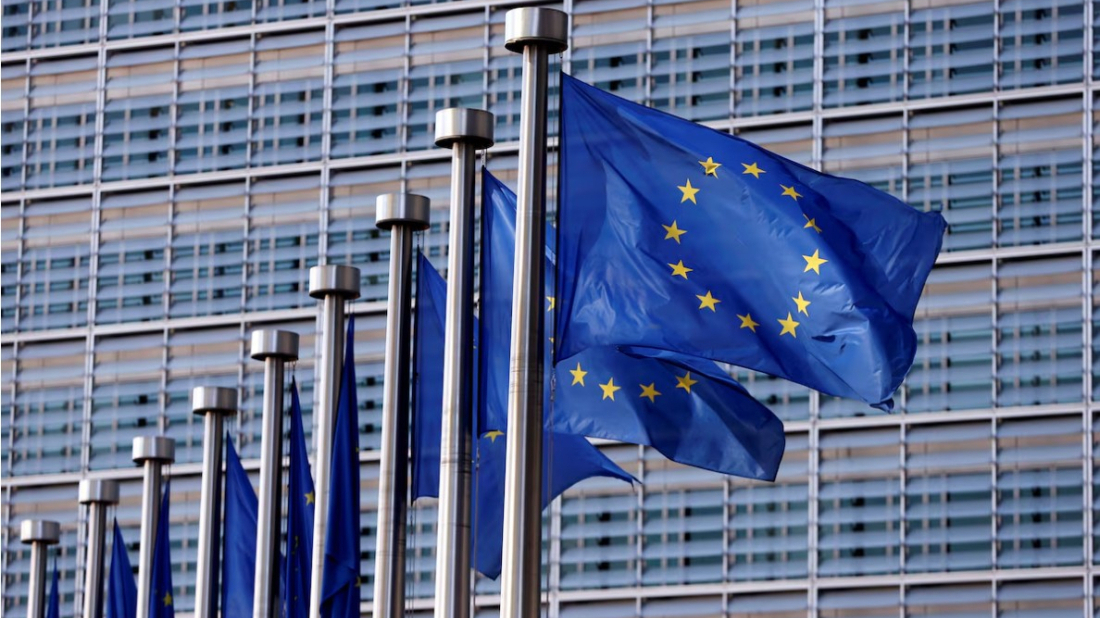
The Council of the European Union has decided today to suspend a number of restrictive measures in view of the situation in Syria, with the aim to support an inclusive political transition in Syria, and its swift economic recovery, reconstruction, and stabilisation.
"The EU aims to facilitate engagement with Syria, its people, and businesses, in key areas of energy and transport, as well as to facilitate financial and banking transactions associated with such sectors and those needed for humanitarian and reconstruction purposes," - the Council said in its statement.
The Council has decided to implement the following measures:
- Suspend sectoral restrictions in the energy sector (including oil, gas, and electricity) and the transport sector.
- Remove five entities—Industrial Bank, Popular Credit Bank, Saving Bank, Agricultural Cooperative Bank, and Syrian Arab Airlines—from the list of those subject to asset freezes and economic restrictions, while also permitting the allocation of funds and economic resources to the Syrian Central Bank.
- Introduce exemptions to the prohibition on banking relations between Syrian banks and financial institutions within member states, allowing transactions related to the energy and transport sectors, as well as those necessary for humanitarian and reconstruction efforts.
- Permanently extend the existing humanitarian exemption to ensure continued support.
- Introduce an exemption for personal use regarding the export prohibition of luxury goods to Syria.
At the same time, the Council will maintain sanctions related to the Al-Assad regime, the chemical weapons sector, and the illicit drug trade. Additionally, several sectoral measures will remain in place, including restrictions on the arms trade, dual-use goods, equipment for internal repression, software for interception and surveillance, and the import/export of Syrian cultural heritage items.
EU restrictive measures have been used as a tool against the Al-Assad regime, responsible for the violent repression of the Syrian civil population.

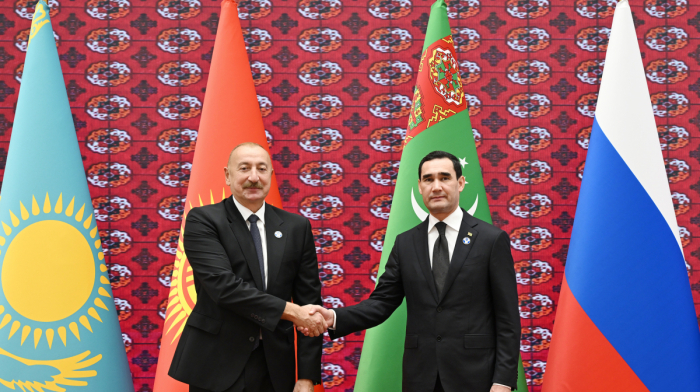
Leaders of countries from the Commonwealth of Independent States (CIS) have agreed to hold coordinated population censuses around 2030. They took the decision at the CIS Council of Heads of State meeting in Awaza, Turkmenistan on Friday, media reported.
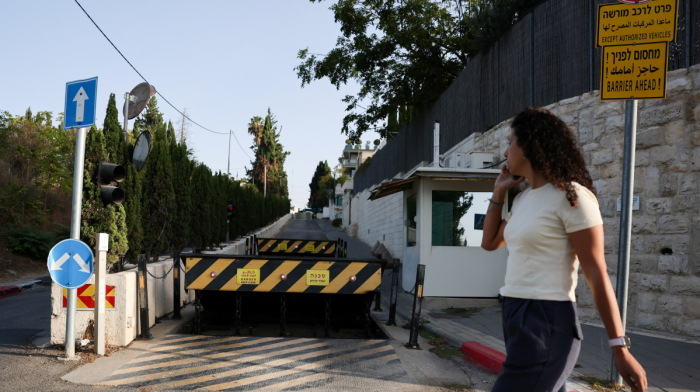
Britain and Israel have reached a temporary compromise over the future of the British Consulate General in East Jerusalem, easing a diplomatic dispute that had threatened to further strain relations between the two countries.
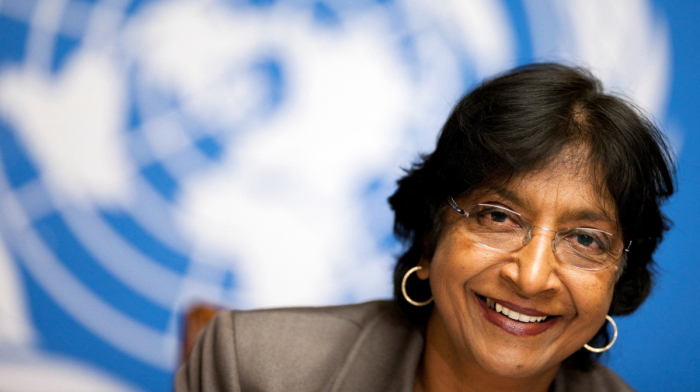
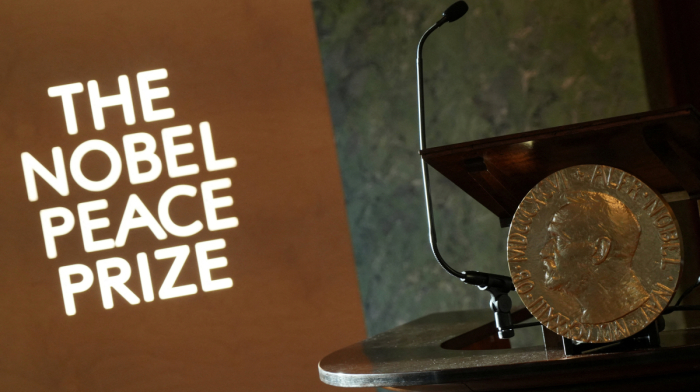
South African judge Navanethem “Navi” Pillay won the Nobel Peace Prize on Friday “for her efforts to promote peace and international law,” the Norwegian Nobel Committee said.
The Nobel Peace Prize 2026 will be announced on Friday, 9 October, bringing one of the world's most closely watched awards back into focus.
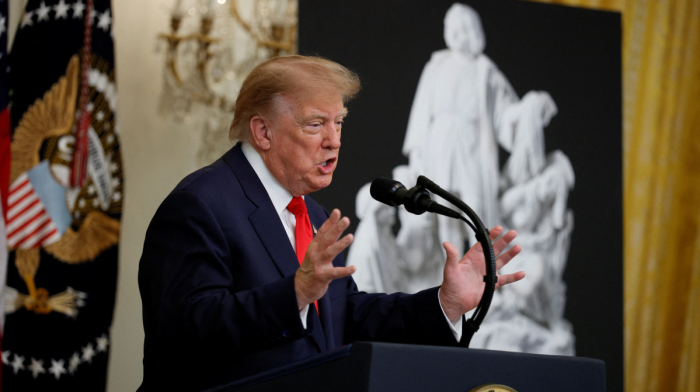
The U.S. has imposed sanctions on the International Criminal Court (ICC) on Friday (9 October) escalating tensions with European allies and potentially targeting companies that provide services to the tribunal. The move came hours after former ICC judge Navi Pillay won the Nobel Peace Prize.
A powerful explosion has been reported at King Khalid International Airport in Riyadh, raising fresh concerns over aviation security in Saudi Arabia as tensions across the region continue to escalate.
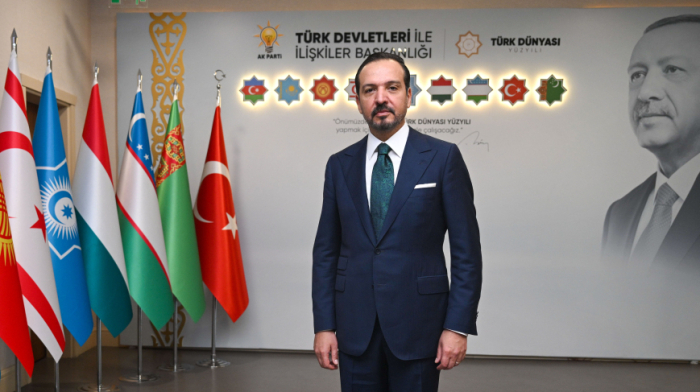
Turkic states are assessing the feasibility of passport-free travel between countries using national ID cards, Kürşad Zorlu, the Deputy Chairman of Türkiye’s ruling AK Party said on Saturday.
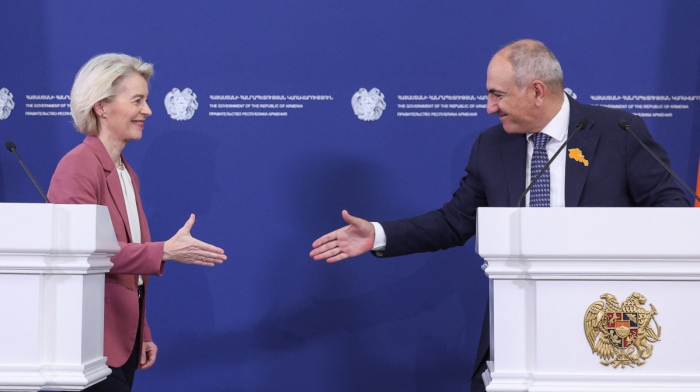
European Union measures suspending import duties on 80 per cent of Armenian exports to the bloc came into effect on Saturday. The temporary liberalisation measures are aimed at supporting Armenian producers and exporters following trade restrictions imposed on the country's products by Russia.
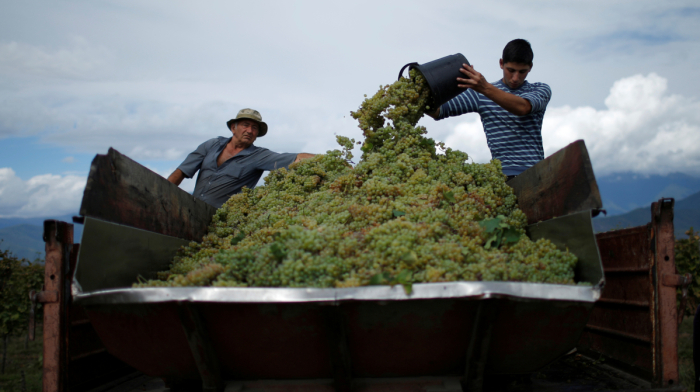
Georgia is enjoying one of its biggest and highest-quality grape harvests since independence. By 6 October, growers in the country's main wine-producing region, Kakheti, had delivered 182,210 tonnes of grapes, with 99 per cent rated medium or high quality, despite recent protests over prices.
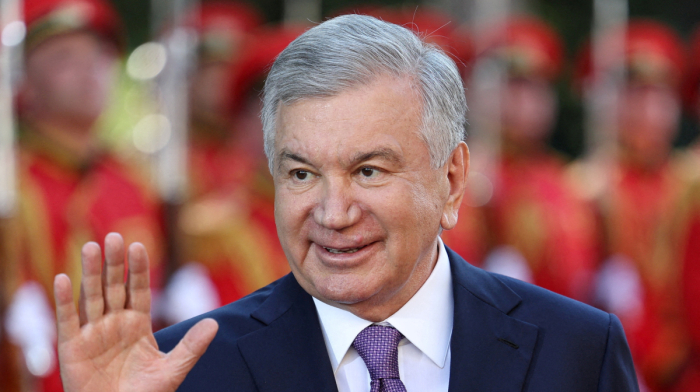
Uzbekistan has unveiled plans to deepen economic ties with Central Asia and Azerbaijan, proposing shared artificial intelligence infrastructure, a critical minerals alliance and a regional trade strategy extending to 2035.
You can download the AnewZ application from Play Store and the App Store.
What is your opinion on this topic?
Leave the first comment