Iran has rejected as “irrelevant” a UN nuclear watchdog resolution referring its nuclear file to the UN Security Council, arguing that U.S. and Israeli strikes on sites under verification were the main reason inspections were halted.
Iran rejects ‘non-compliance’ finding
The Iranian Foreign Ministry dismissed as “fundamentally irrelevant” the resolution adopted on Wednesday by the Board of Governors of the International Atomic Energy Agency (IAEA) reporting Tehran’s “non-compliance” to the UN.
Spokesman Esmaeil Baghaei said Iran’s peaceful nuclear activities comply with the UN watchdog’s rules and regulations and condemned the U.S., the UK, France and Germany for proposing the draft resolution.
“Referring the Iranian nuclear file to the Security Council is fundamentally irrelevant because Iran has not committed any non-compliance, and what is called non-compliance is simply the result of the U.S. and the Zionist regime's actions in attacking Iran's nuclear facilities,” he said.
Baghaei made the remarks in an interview with state broadcaster IRIB late on Wednesday, following the adoptionof the joint U.S.-E3 resolution in Vienna.
Japan and Saudi votes criticised
Baghaei also criticised Japan and Saudi Arabia for voting in favour of the draft resolution.
“It is regrettable that a country like Japan, which itself has been a victim of nuclear weapons and has seen the consequences of America's contradictory actions, voted in favour of this resolution.”
“Likewise, the move by Saudi Arabia, which has seen the results of the illegal and aggressive actions of America and the Zionist regime against Iran in the region, is regrettable,” he added.
Deputy Foreign Minister for Legal Affairs Kazem Gharibabadi also strongly rejected the resolution.
“They attacked Iran's nuclear facilities under safeguards, disrupted the normal verification process, and then used that disruption as a pretext to issue a resolution in the Board of Governors.”
In a post on X, the senior Iranian diplomat added, “With these air raids, you can neither compensate for the failure of your policies and actions, nor can you get anything done in the Security Council.”
Strikes and inspections at centre of dispute
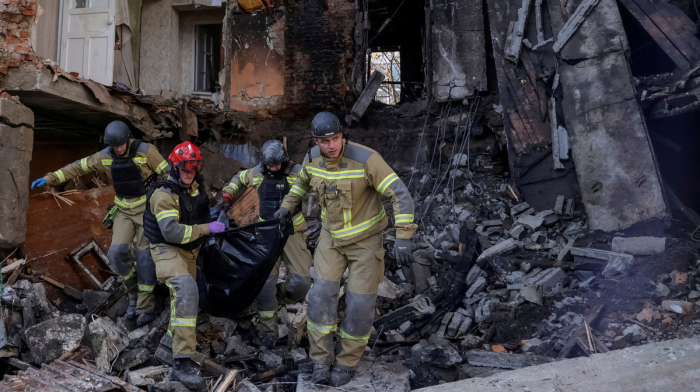
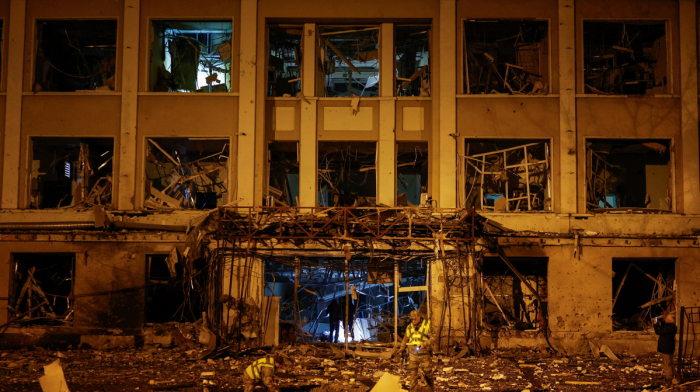
Gharibabadi was referring to Israeli and U.S. attacks on Iranian nuclear sites in 2025 and 2026, as well as a similar IAEA board resolution in 2025, which Tehran said served as a pretext for attacks on facilities under UN verification.
In retaliation, Iran’s parliament suspended Tehran’s cooperation with the agency over inspections of the bombed sites and barred the IAEA chief from travelling to Iran, accusing him of facilitating the adoption of non-technical decisions against the Islamic Republic.
Meanwhile, Iran’s ambassador to international organisations in Vienna described the IAEA resolution as “politically motivated” and “distorted”.
Speaking before the vote on the draft U.S.-E3 resolution, Reza Najafi said, “This is a political tool and a non-technical document. This text distorts legal standards and is a tool for applying political pressure.”
Iran defends civilian nuclear programme
On the opening day of the IAEA board meeting on Monday, the Iranian mission argued that U.S. and Israeli strikes on nuclear facilities under verification had not only violated the UN Charter and the IAEA Statute, but had also undermined fundamental nuclear safety principles underpinning the UN watchdog’s work.
Iran maintains that its nuclear programme is intended solely for civilian purposes and says inspections of sites bombed in Israeli and U.S. air raids require a separate protocol for monitoring under wartime conditions.











What is your opinion on this topic?
Leave the first comment