As diplomacy helps ease tensions in the Middle East, Pakistan and Iran are seeking to turn that momentum into closer security cooperation along one of South Asia's most sensitive borders.
Shared focus on security
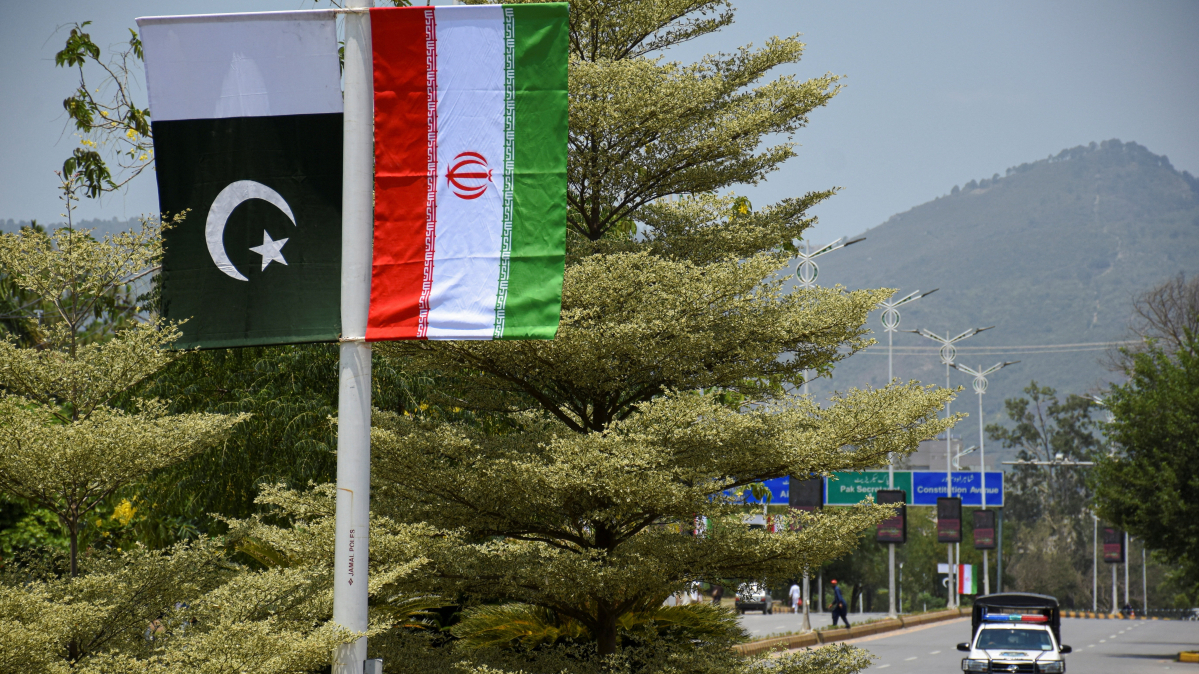
Interior Minister Mohsin Naqvi and his Iranian counterpart, Eskandar Momeni, agreed in Islamabad to expand cooperation on counterterrorism, border security, cybersecurity and immigration, signalling a renewed effort to strengthen institutional coordination against shared cross-border challenges.
Shared border, shared security challenges
The meeting underscores the strategic importance of the nearly 900-kilometre Pakistan-Iran border, where both countries continue to confront cross-border militancy, drug trafficking and irregular migration. These shared security concerns have increasingly driven Islamabad and Tehran towards closer coordination despite broader regional uncertainties.
Senior Pakistani officials attending the talks included Minister of State for Interior Tallal Chaudhry, Interior Secretary Khurram Agha, Federal Investigation Agency Director General Usman Anwar, the Commandant of the National Police Academy and the Director General of the National Cyber Crime Investigation Agency.
Regional de-escalation creates new diplomatic space
The discussions came days after diplomatic talks in Bürgenstock, Switzerland, where the U.S. and Iran issued a joint statement aimed at easing regional tensions. Pakistani officials say Islamabad played a facilitating role in the dialogue, which culminated in the signing of the Islamabad Memorandum of Understanding.
Congratulating Momeni, Naqvi described the Bürgenstock declaration as "a vital breakthrough for regional stability."
"Pakistan has always desired peace and stability across the world. We will continue our efforts for lasting peace in the Middle East," he said, expressing hope that the agreement would produce "far-reaching positive results" across the region.
Momeni thanked Pakistan for what he described as its "sincere role" in facilitating the dialogue and announced plans for a more detailed visit to Pakistan aimed at expanding cooperation between the two interior ministries.
From diplomatic progress to practical cooperation
Beyond reaffirming political ties, the meeting focused on translating recent diplomatic progress into practical cooperation on security, border management and law enforcement.
For Pakistan, closer engagement with Iran serves immediate security interests while supporting broader regional stability. Whether the current diplomatic momentum develops into lasting institutional cooperation will depend on sustained regional de-escalation. However, the latest talks suggest both neighbours are committed to building more durable mechanisms to address their shared security challenges.












What is your opinion on this topic?
Leave the first comment