China takes Space AI technology to Oman in major satellite deal
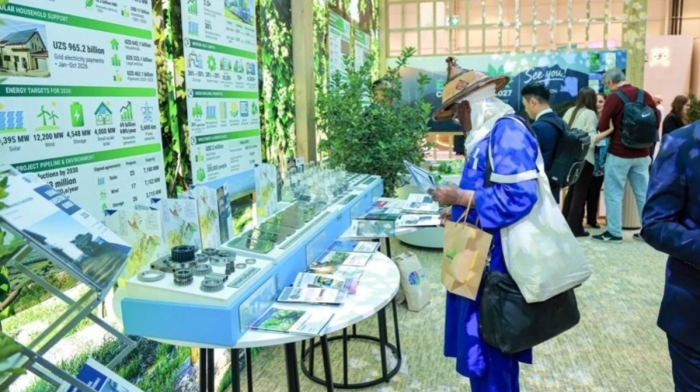
China is taking its space technology ambitions beyond its borders, with a major deal to build a network of 20 artificial intelligence-powered satel...
Parts of what are believed to be a Russian surface-to-air missile washed ashore at two locations on Türkiye’s Black Sea coast over the weekend, prompting bomb-disposal operations and security measures.
Authorities recovered the military debris in İstanbul’s Çatalca district and the Bafra district of Samsun province, according to Turkish officials and security sources.
In Samsun, bomb-disposal units were dispatched after live munitions were discovered on a public beach.
The area was quickly evacuated, and authorities established a security cordon before carrying out a controlled detonation of the explosives.
The beach was later reopened after officials determined there was no threat to public safety.
“No injuries or property damage were reported during the operation,” a local security official said.
In a separate incident, military hardware was also found on a beach in İstanbul’s Çatalca district.
According to officials, the object, which has since undergone technical examination, is believed to have drifted ashore from the Black Sea.
Authorities have not publicly disclosed the type of weapon system recovered, but initial assessments suggest the debris may have originated from a Russian surface-to-air missile.
The discoveries are the latest in a series of incidents involving military equipment, including offensive weaponry, washing up along Türkiye’s Black Sea coastline since Russia’s 2022 invasion of Ukraine.
Over the past four years, Turkish authorities have recovered naval mines, unmanned surface vessels, aerial drones and unexploded ordnance that had drifted into Turkish territorial waters.
Earlier this month, Turkish bomb-disposal experts destroyed an explosive-laden drone that washed ashore in the Black Sea province of Bartın.
A key NATO member, Türkiye has maintained working relations with both Moscow and Kyiv while also seeking to ensure maritime security and freedom of navigation in the Black Sea.
The latest incidents highlight how military debris from the ongoing conflict can affect areas far removed from the battlefield.
European leaders gathered in Dublin on Thursday, 12 November, for the ninth European Political Community (EPC) summit, with security, defence and energy high on the agenda. Azerbaijani President Ilham Aliyev held talks focused on peace, trade and regional cooperation.
Nvidia chief executive Jensen Huang is stepping down amid reports linking him to a woman suspected by U.S. authorities of spying for China, throwing the future of the $4 trillion chipmaker into uncertainty.
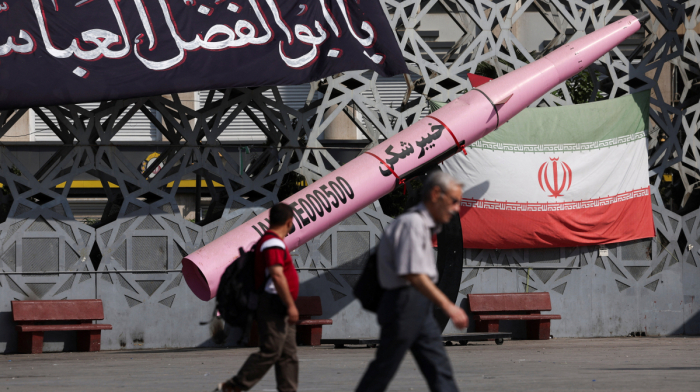
Iran’s Assembly of Experts has backed withdrawing from the Nuclear Non-Proliferation Treaty (NPT) and overhauling the country’s defence doctrine, calling both steps essential to national security and deterrence.
Eight people have been killed and at least 17 injured after an apartment building collapsed into a neighbouring construction site in Brooklyn, New York, as rescuers continued searching the rubble for possible survivors.
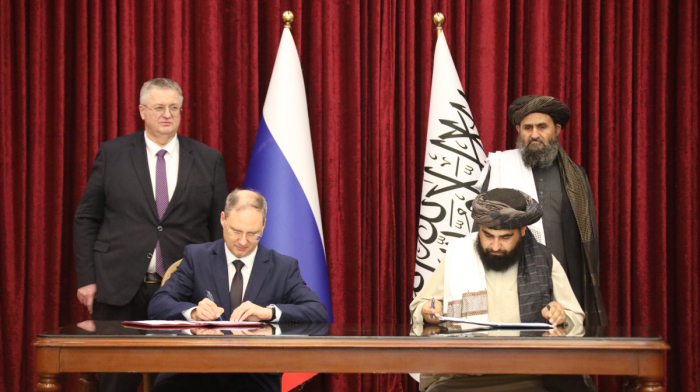
Afghan and Russian businesses signed 15 trade agreements worth $103 million in Kabul on Thursday during a visit by Russian Deputy Prime Minister Alexei Overchuk, Afghanistan’s government said.
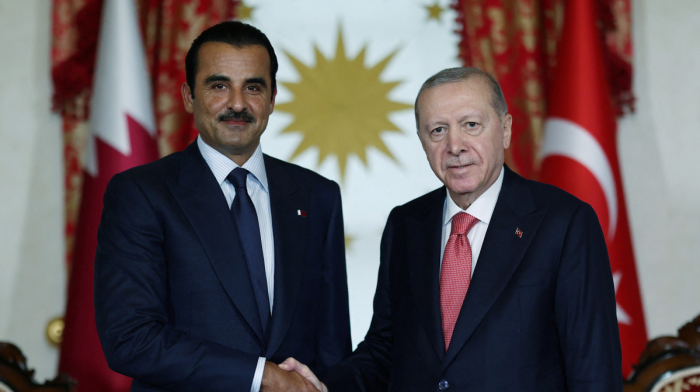
Türkiye and Qatar signed a mutual defence agreement on Friday, November 13, aimed at strengthening collective security and regional stability. The two countries pledged to take a united stance against any external armed attack on either nation.
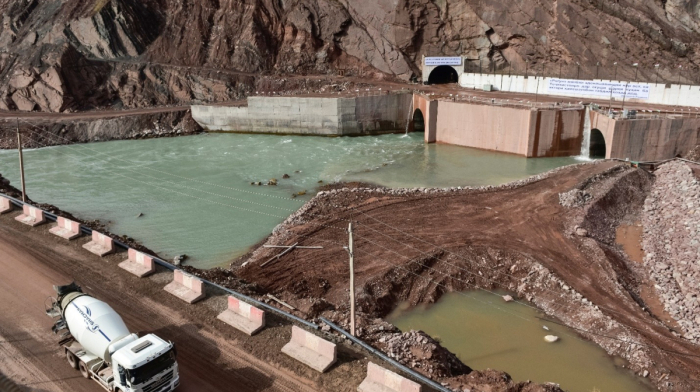
As Central Asia expands its hydropower infrastructure and high-rise construction, seismologists are examining whether large mountain reservoirs could influence earthquake activity. The question is particularly pressing in a region where major cities lie close to active tectonic faults.
As artificial intelligence (AI) becomes part of everyday life, languages with smaller speaker communities risk being left behind. Georgian, spoken by around four million people worldwide, is facing a digital challenge: making sure it is understood by the machines shaping how the world communicates.
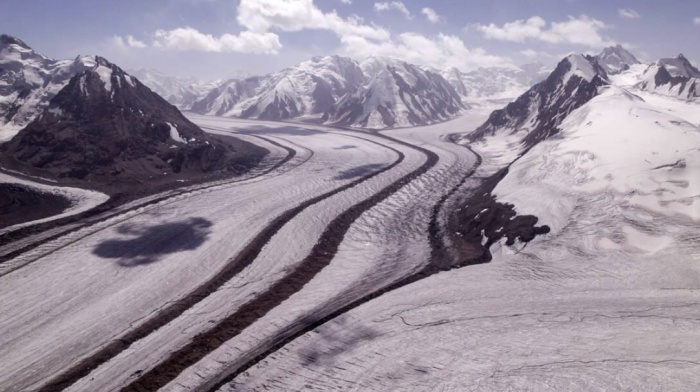
Tajikistan has urged the international community to increase funding to protect shrinking glaciers and help mountain communities adapt to climate change at the COP31 UN climate summit in Antalya, Türkiye.
Melting glaciers, recurring droughts and dust storms are putting growing pressure on Central Asia’s water resources, agriculture and public health.
You can download the AnewZ application from Play Store and the App Store.
What is your opinion on this topic?
Leave the first comment