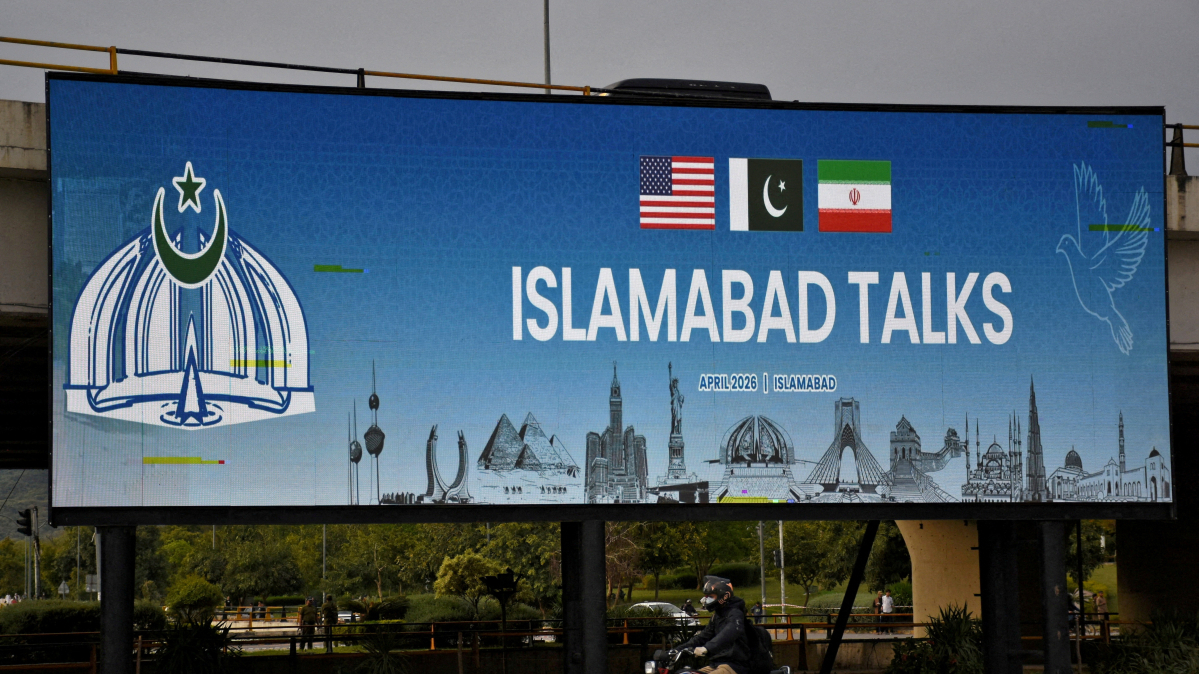
There are cautious signs of progress towards peace, as negotiating teams from the U.S. and Iran consider returning to Islamabad later this week to resume talks aimed at ending the Gulf conflict.
Officials from both Iran and Pakistan say discussions are continuing behind the scenes, although no final date has been agreed. One Iranian official in Islamabad suggested a new round could take place “later this week or early next week”, while sources on both sides indicated the window from Friday to Sunday remains open.
The possible return comes just days after an initial round of talks in the Pakistani capital ended without a breakthrough. Despite the lack of immediate progress, the meeting marked a significant moment - the first direct encounter between senior American and Iranian officials in more than a decade.
'Positive response'
A Pakistani official said Islamabad had received a “positive response” from Tehran about holding further talks and is now working quietly to coordinate timing with both sides. Another source familiar with the negotiations described a proposal already shared with Washington and Tehran to bring delegations back to the table.
For many observers, the renewed diplomatic effort offers a rare glimmer of hope in a tense and uncertain standoff. Ordinary people across the region, already feeling the strain of rising prices and instability, are likely to be hoping the talks gain traction.
The previous round was led by JD Vance for the U.S. and Mohammad Baqer Qalibaf for Iran. After the meeting, Vance said Washington had presented what he called its “final and best offer,” adding: “We’ll see if the Iranians accept it.”
Key sticking points remain deeply sensitive. Among them is the future of the Strait of Hormuz, a vital artery for global energy supplies that has become a flashpoint in the crisis. Iran’s nuclear programme and longstanding international sanctions are also central to the dispute.
There has been no immediate comment from the White House, and Pakistani authorities have remained tight-lipped, reflecting the delicate nature of the negotiations.
For now, the situation hangs in the balance - with diplomacy inching forward, but no guarantee that it will deliver the breakthrough many are hoping for.












What is your opinion on this topic?
Leave the first comment