Israel’s parliament has passed a law allowing the death penalty for Palestinians convicted of carrying out deadly attacks on Israelis, a move that has sparked sharp criticism both domestically and internationally.
The legislation, approved on Monday (30 March), makes hanging the default punishment for West Bank Palestinians found guilty of terrorism resulting in fatalities. It also gives Israeli courts the authority to impose either the death penalty or life imprisonment on Israeli citizens convicted of similar offences. The law will only apply to future cases and is not retroactive.
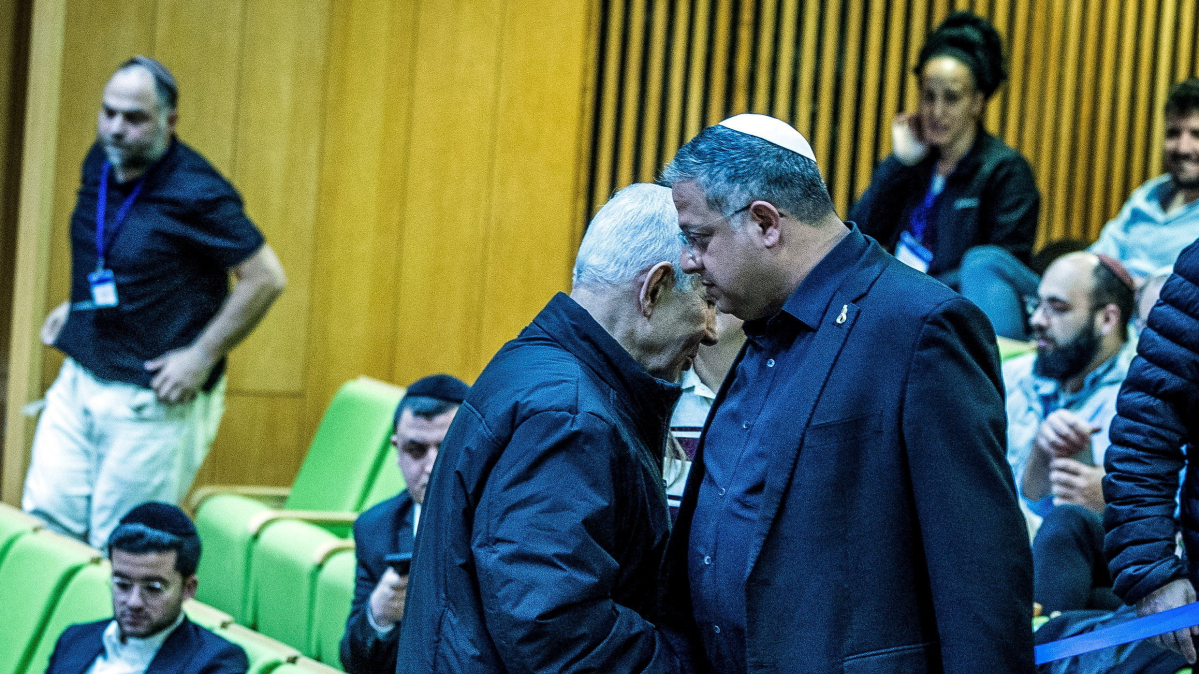
The bill represents a significant victory for Israel’s far-right, with Prime Minister Benjamin Netanyahu attending the vote in person. It was spearheaded by the Otzma Yehudit party and championed by National Security Minister Itamar Ben-Gvir, who described the law as “long overdue” and a symbol of national strength.
Following the vote, the chamber erupted in cheers, with Ben-Gvir celebrating the measure from the podium.
"This is a day of justice for the murdered, a day of deterrence for enemies," Ben-Gvir said in parliament. "Whoever chooses terror chooses death."
Under the new rules, those sentenced to death will be held in separate facilities, with visits restricted to authorised personnel and legal consultations conducted via video link.
Executions are expected to be carried out within 90 days of sentencing. Military courts in the occupied West Bank will have the power to impose death sentences, and prosecutors will no longer need a unanimous decision from judges to pursue capital punishment.
Criticism from human rights groups and the EU
The law has drawn fierce criticism from Israeli and Palestinian human rights groups, who warn it is discriminatory, draconian, and unlikely to deter violence. The Association for Civil Rights in Israel has already filed a petition with the Supreme Court seeking to overturn the legislation.
International observers have also expressed concern. United Nation experts have called on Israel to withdraw the bill, citing violations of the right to life and international prohibitions against torture.
Palestinian President Mahmoud Mahmoud Abbas described the legislation as a breach of international law and a deliberate attempt to intimidate Palestinians.
In a statement from his office, he said: “Such laws will not break the will of the Palestinian people or undermine their steadfastness. Nor will they deter them from continuing their legitimate struggle for freedom, independence, and the establishment of an independent Palestinian state with East Jerusalem as its capital.”
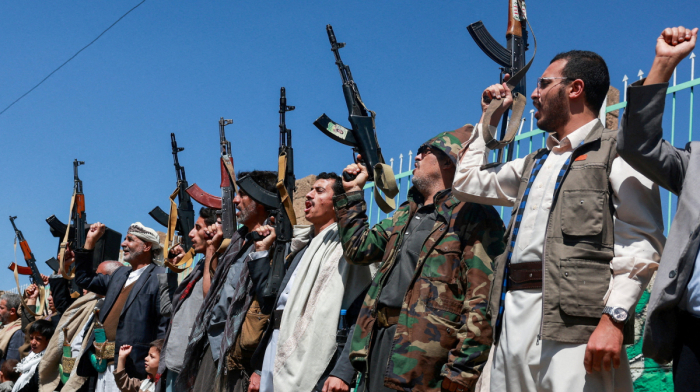
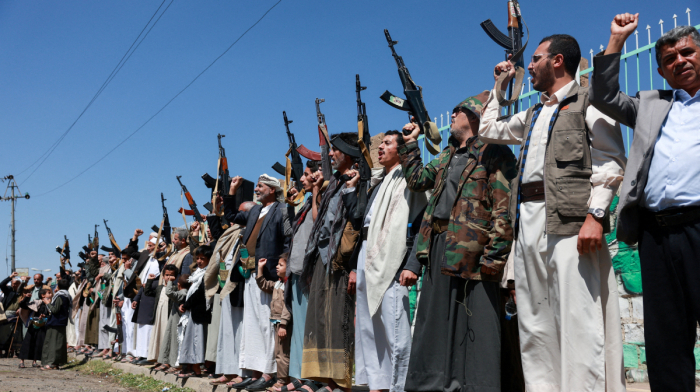
Meanwhile, Palestinian militant groups including Hamas and Islamic Jihad urged Palestinians to carry out retaliatory attacks in response to the law, raising fears of further violence in the region.
The European Union said in a statement it condemned the measure saying the new law was "deeply concerning" and said it "opposes capital punishment in all classes and under all circumstances."
Britain, France, Germany, and Italy warned the move could undermine Israel’s democratic commitments.
The UK's government said in a statement that "We are particularly worried about the de facto discriminatory character of the bill. The adoption of this bill would risk undermining Israel’s commitments with regards to democratic principles."
Amnesty International described the law as a discriminatory expansion of capital punishment against Palestinians.
Israel has rarely used the death penalty, with Nazi war criminal Adolf Eichmann the last person executed in 1962.
The law marks a major shift in Israeli penal policy, closing off avenues for appeal or clemency for Palestinians under occupation, while Israeli citizens could still see sentences reduced to life imprisonment.
The legislation is expected to face legal challenges in Israel’s Supreme Court, which will determine whether it can stand. Critics argue it risks exposing Israeli personnel to prosecution abroad and further inflaming tensions in the occupied territories.

















What is your opinion on this topic?
Leave the first comment