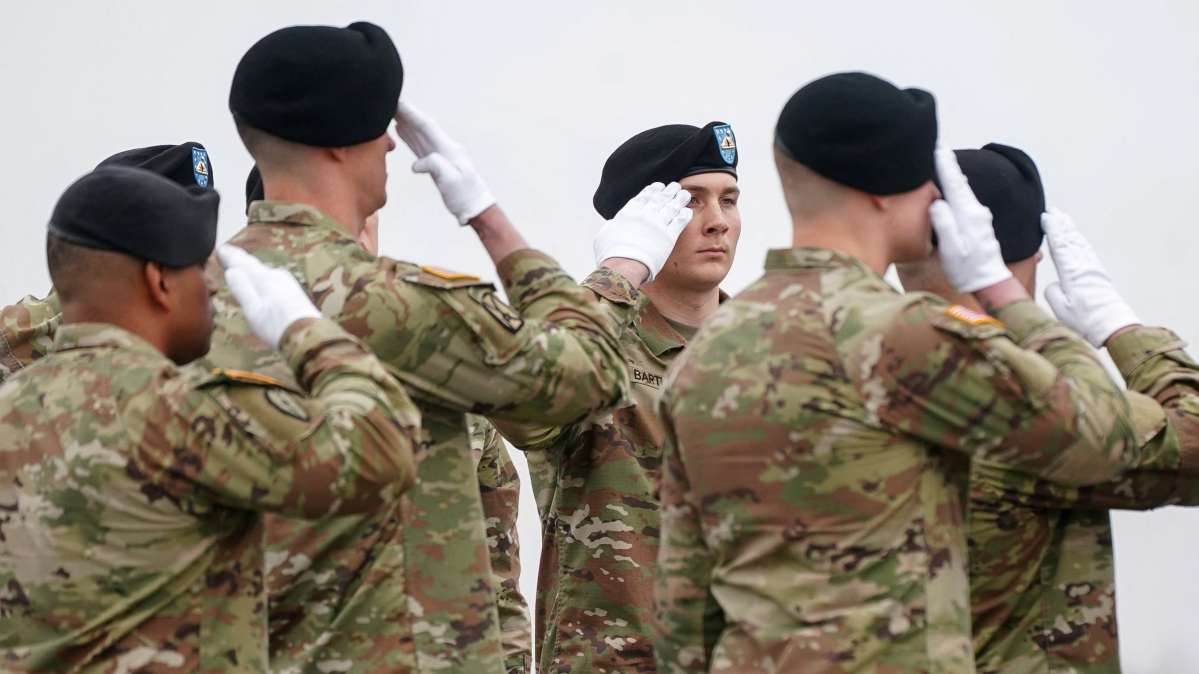
The Trump administration is reportedly reviewing plans to deploy up to 10,000 additional U.S. troops to the Middle East, raising tensions even as Washington engages in delicate negotiations with Iran.
According to The Wall Street Journal, the planned deployment would likely include infantry units and armoured vehicles, though officials have not confirmed exactly where the troops would be stationed.
Some sources suggest forces could be positioned within operational range of Iran, including near Kharg Island, a key hub for Iranian oil exports that has been central to recent U.S. and Israeli military planning.
If approved, the reinforcement would join roughly 5,000 Marines and thousands of paratroopers from the 82nd Airborne Division already dispatched to the region. The Marine expeditionary unit is expected to arrive as soon as this weekend.
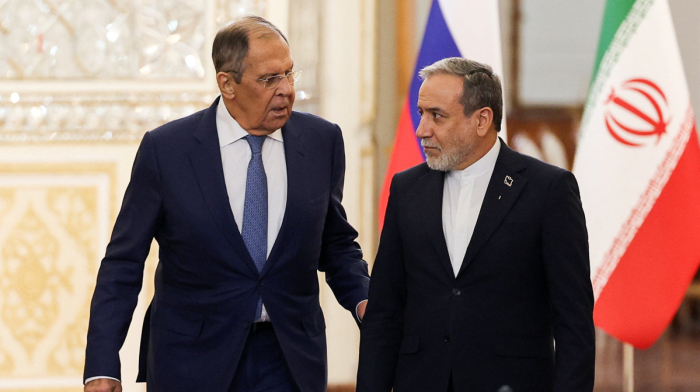
The deployment comes at a tense moment, as the Trump administration continues behind-the-scenes diplomacy with Tehran. President Donald Trump has stressed that all military options remain on the table.
“All announcements regarding troop deployments will come from the Department of Defence,” said Anna Kelly, Deputy White House Press Secretary. She added, “President Trump always has all military options at his disposal.”
Earlier on Thursday, Trump announced on Truth Social that the U.S. would pause strikes on Iranian energy infrastructure for ten days, at the request of Tehran.
The pause, lasting until 6 April, was described by the president as part of ongoing negotiations that he said were going "very well.” He did not provide details on the objectives or what might happen when the pause ends.
Analysts suggest the potential troop deployment is intended to increase U.S. bargaining power by demonstrating readiness for military action, while still pursuing diplomatic solutions. One defence official, speaking on condition of anonymity, noted that such deployments are part of “a strategy to ensure the president has credible options in case negotiations break down.”
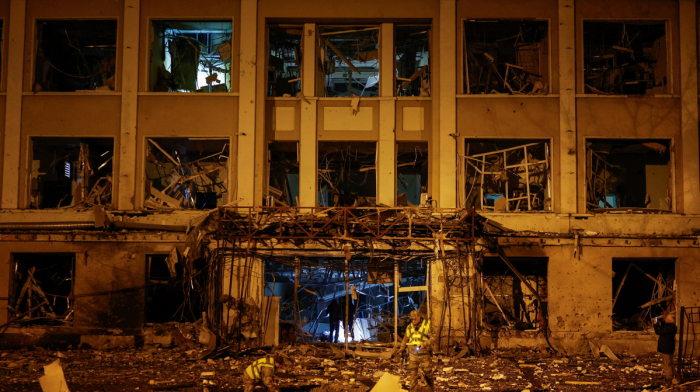
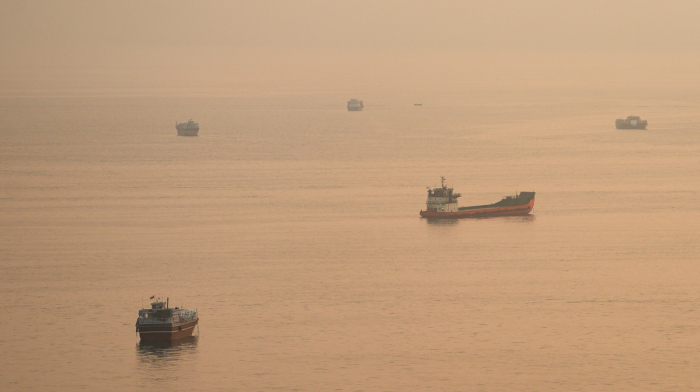
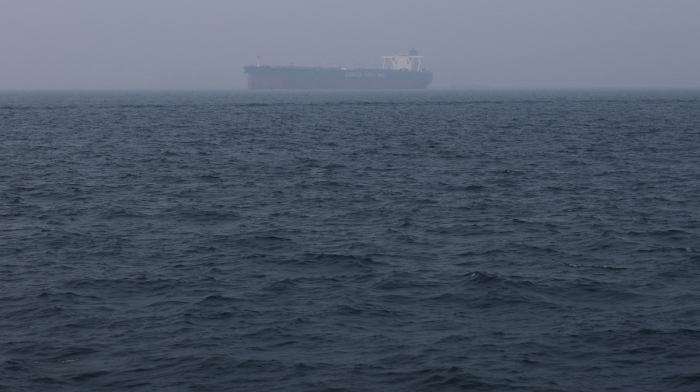
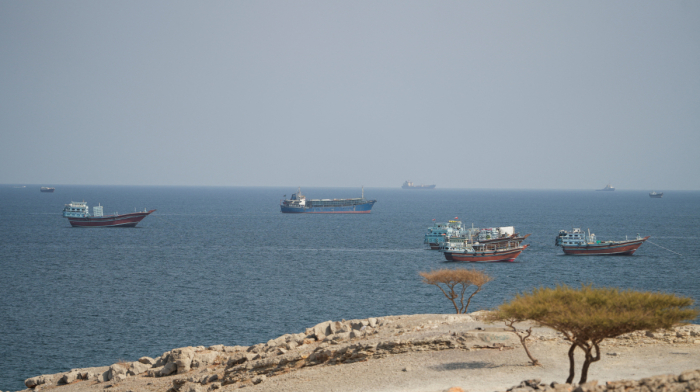
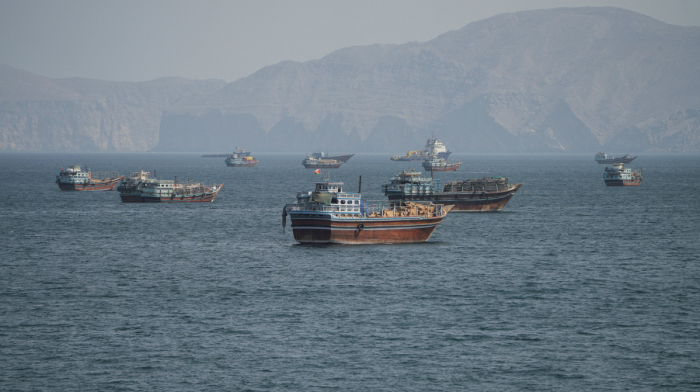
The situation adds to growing uncertainty across the Middle East, where previous U.S. and Israeli strikes have heightened tensions, disrupted shipping routes through the Strait of Hormuz, and sent global energy markets into turmoil.
A spokesperson for U.S. Central Command, which oversees American forces in the region, declined to comment on the plans.
Observers warn that while diplomacy may offer a temporary reprieve, the combination of military deployments and ongoing negotiations means the coming weeks could be decisive for both regional stability and global oil markets.










What is your opinion on this topic?
Leave the first comment