A U.S. submarine strike sank an Iranian warship off the coast of Sri Lanka, leaving at least 80 dead, the country’s deputy foreign minister said. Meanwhile, Iran postponed the funeral of its late Supreme Leader Ali Khamenei, according to state media.
Elsewhere, NATO forces intercepted an ballistic missile launched from Iran towards Turkish airspace and fighting also intensified along the Israel–Lebanon border.
At least 80 dead in U.S. attack on Iranian warship
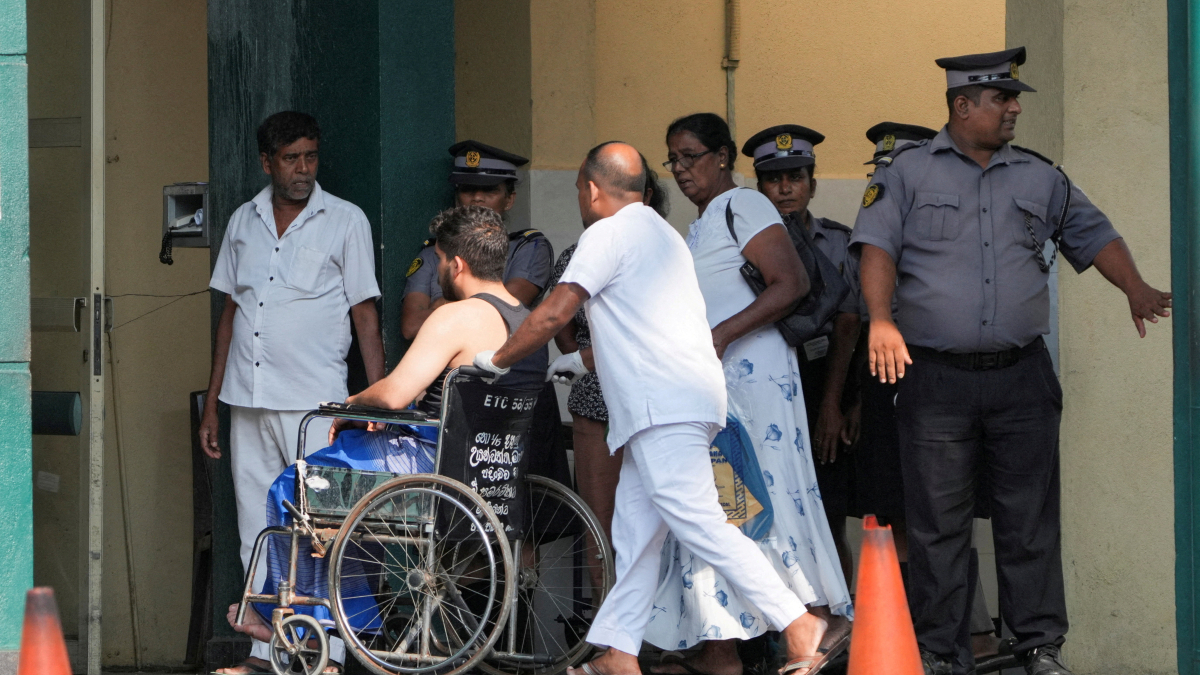
Sri Lankan naval crews launched a search and rescue operation after receiving a distress call from the vessel.
Navy spokesman Commander Buddhika Sampath said 32 people had been pulled from the sea and taken to hospital.
The U.S. Department of Defense later released footage of the submarine strike. U.S. Defense Secretary Pete Hegseth said: “An American submarine sank an Iranian warship that thought it was safe in international waters.”
Funeral of Iran’s late Supreme Leader postponed
Mourners in Iran’s capital, Tehran, had planned to pay their respects to the late Ayatollah Ali Khamenei on Wednesday.
However, Iranian state media reported that the funeral had been postponed. A new date for the ceremony will be announced later.
NATO intercepts Iranian missile over Turkish airspace
A ballistic missile launched from Iran towards Turkish airspace was intercepted by NATO air and missile defence forces deployed in the eastern Mediterranean, according to the Turkish Ministry of Defence.
A NATO spokesperson condemned Iran’s targeting of Türkiye, which has the alliance’s second-largest military. Iran did not immediately comment on the incident.
Ali Khamenei’s son Mojtaba survives airstrikes on Iran
Mojtaba Khamenei, the son of Iran’s late Supreme Leader, survived U.S. and Israeli airstrikes that killed his father and several other senior figures, two Iranian sources told Reuters on Wednesday.
He has since emerged as the frontrunner to succeed his father as Supreme Leader.
At least four killed in Israeli strikes on Lebanon
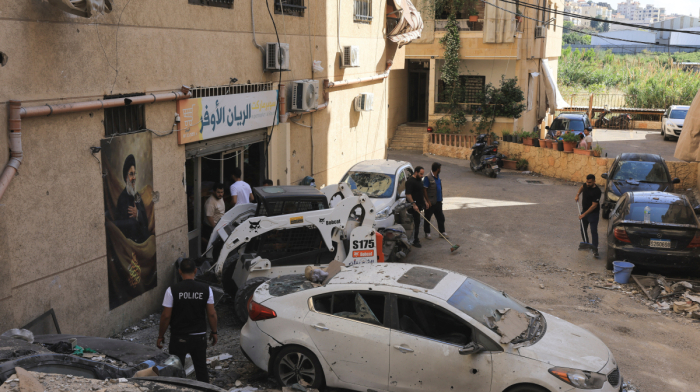
Israel bombed a four-storey residential block in the eastern Lebanese city of Baalbek, killing four people and wounding six others, Lebanon’s state news agency NNA reported on Wednesday.
Fighting along the Lebanese–Israeli border has escalated since Monday after Hezbollah fired missiles at Israel. In response, Israel struck targets in Lebanon and sent troops across the border into southern Lebanon.
Evacuations from Iran via Azerbaijan continue
At least 1,200 people have been evacuated from Iran through Azerbaijan’s Astara land border since the conflict began on Saturday (28 February).
Citizens from China, several European countries including Italy and Poland, as well as South Africa and the Philippines, are among those who have crossed the border.
















What is your opinion on this topic?
Leave the first comment