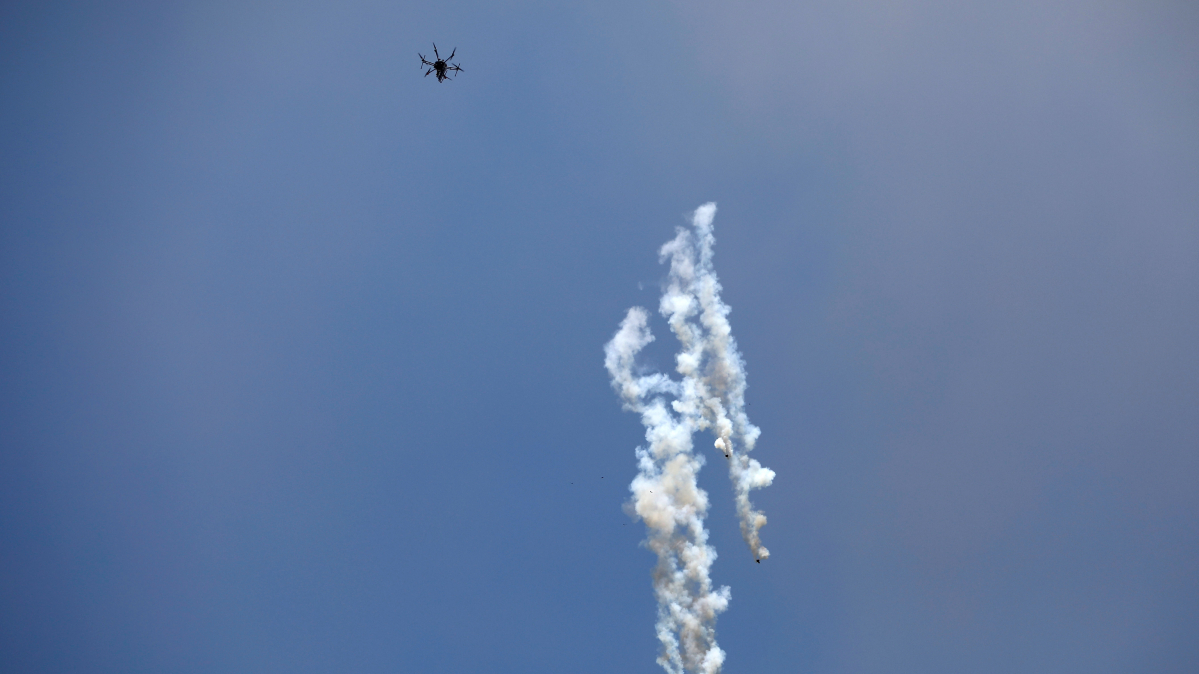
Israel’s National Guard is preparing to deploy drones capable of firing tear gas at Palestinians in the occupied West Bank, including East Jerusalem, as part of security preparations ahead of the Muslim holy month of Ramadan, Israeli Channel 12 reported on Saturday.
According to the broadcaster, the police tenders committee approved the purchase of three drone-mounted systems designed to drop tear gas capsules. The contract is reportedly valued at approximately $49,000.
The systems, known as “Surprise Egg”, are designed to be mounted on Matrice-type drones and used to disperse demonstrations by releasing tear gas from the air. Israeli police are said to already operate 19 similar systems.
Tender documents described the procurement as “urgent”, citing operational preparations for “expected events during Ramadan”, Channel 12 reported.
Israel’s National Guard was established under National Security Minister Itamar Ben-Gvir. Opposition figures have described the force as “a militia effectively operating under his authority.”
Military Reinforcements Planned
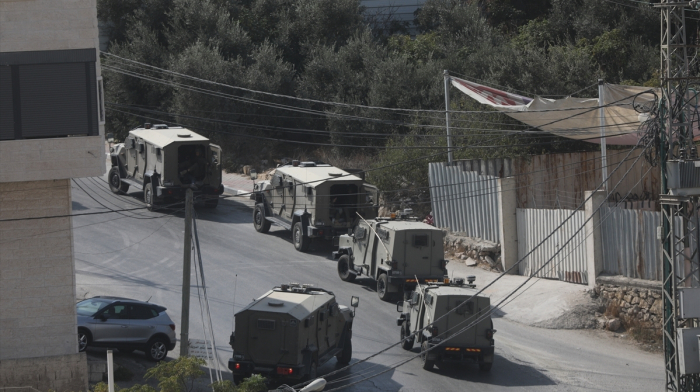
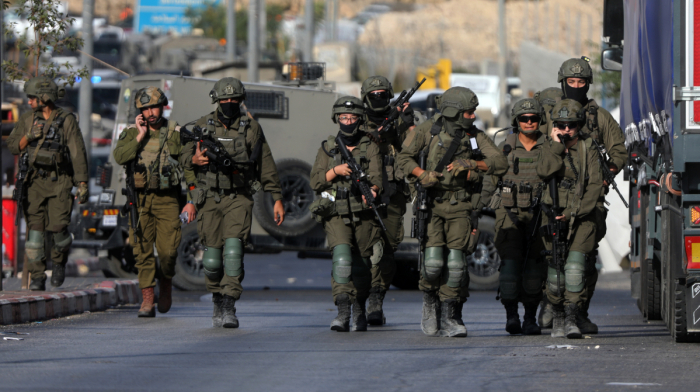
Earlier this week, Channel 12 also reported that the Israeli army had decided to reinforce its presence in the West Bank during Ramadan, including the deployment of a commando brigade.
In addition to the 22 battalions currently carrying out routine security operations in the occupied territory, further units are expected to be sent, according to the report.
More companies are also likely to be stationed at checkpoints in preparation for the arrival of thousands of worshippers at the Al-Aqsa Mosque compound in East Jerusalem.
The army has reportedly recommended to Defence Minister Israel Katz that up to 10,000 worshippers be allowed to enter the compound each Friday during Ramadan. It also suggested permitting entry for men over the age of 55 and women over 50.
On Friday, Sheikh Ikrima Sabri, preacher at the Al-Aqsa Mosque, told Anadolu that he regretted Israel’s decision to restrict access during Ramadan and warned that the government was implementing “an aggressive plan targeting the holy site.”
Access Restrictions Continue
Each year during Ramadan, hundreds of thousands of Palestinians travel from the West Bank to East Jerusalem to pray at Al-Aqsa Mosque.
However, since the start of Israel’s war in Gaza in October 2023, Israeli authorities have imposed strict limitations on West Bank residents crossing military checkpoints into Jerusalem.
Over the past two years, only limited numbers have been permitted to enter after obtaining Israeli-issued permits, which Palestinians say are difficult to secure.
Israel has not announced any special easing measures for Ramadan this year.
Palestinians view East Jerusalem as the capital of a future state, while Israel considers the city, both its eastern and western parts, as its capital.











What is your opinion on this topic?
Leave the first comment