Georgia's PM Pitches Country as Middle Corridor's Anchor at UN, Calls for Renewed Western Dialogue
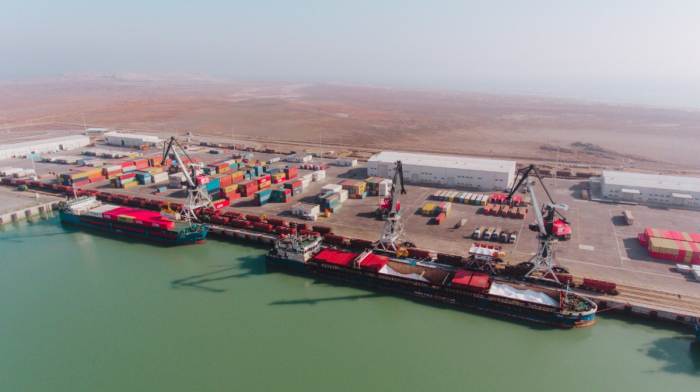
Georgian Prime Minister Irakli Kobakhidze used his address to the UN General Assembly's 81st session in New York this week to make a two-part c...
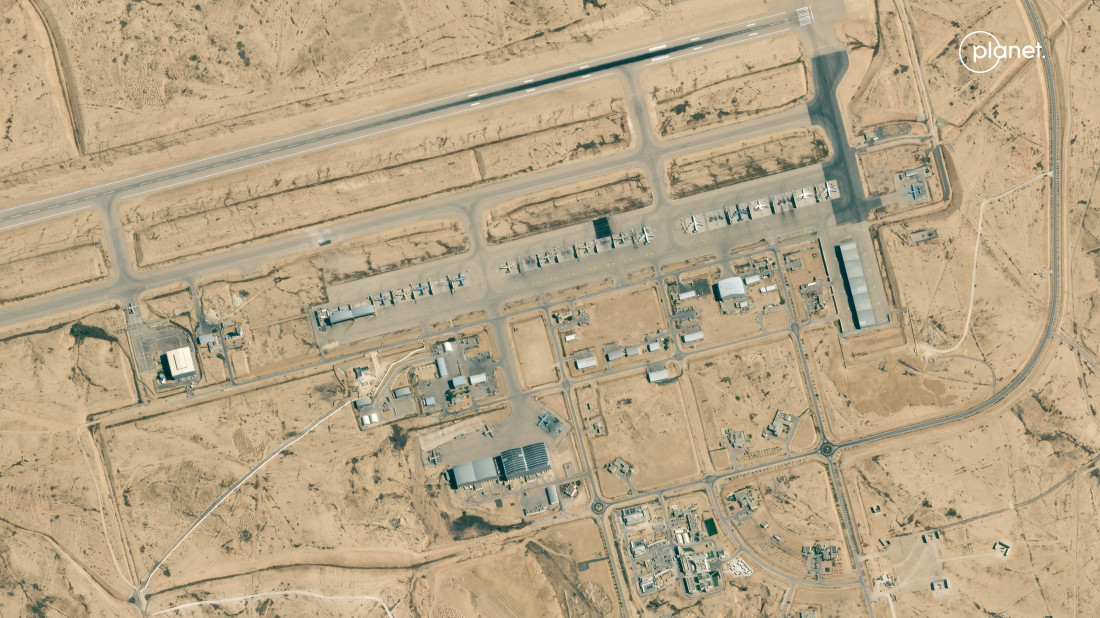
At a U.N. Security Council meeting, the U.S. warned Iran of severe consequences if it escalates aggression against Israel or U.S. forces, as tensions rise following recent Israeli airstrikes on Iranian sites.
During a United Nations Security Council meeting on Monday, October 28, the United States warned Iran of "severe consequences" if it undertakes additional aggressive actions against Israel or U.S. forces in the Middle East.
"We will not hesitate to defend ourselves. Let there be no misunderstanding: the United States does not wish to see further escalation. We believe this should mark the end of the direct exchange of hostilities between Israel and Iran," stated U.S. Ambassador Linda Thomas-Greenfield to the 15-member council.
The meeting followed Israel’s airstrikes on Iranian missile production sites and other facilities early Saturday in retaliation for Iran’s October 1 missile attack on Israel, which involved approximately 200 ballistic missiles.
Iran’s U.N. Ambassador, Amir Saied Iravani, accused the U.S. of complicity through its military support for Israel.
Israel’s U.N. Ambassador, Danny Danon, urged the Security Council to impose "crippling sanctions" on Iran's military and economic structures to prevent it from developing nuclear capabilities. He characterized Israel's strikes as "measured and proportionate" and affirmed that Israel would continue to defend itself.
China’s U.N. Ambassador, Fu Cong, advocated for an immediate ceasefire in Gaza and a de-escalation of tensions between Israel and Lebanon, while Russia’s Ambassador, Vassily Nebenzia, criticized U.S. support for Israel.
The U.K.’s Ambassador, Barbara Woodward, urged Iran to avoid responding to Israel's recent actions, calling for restraint on all sides to prevent further escalation.

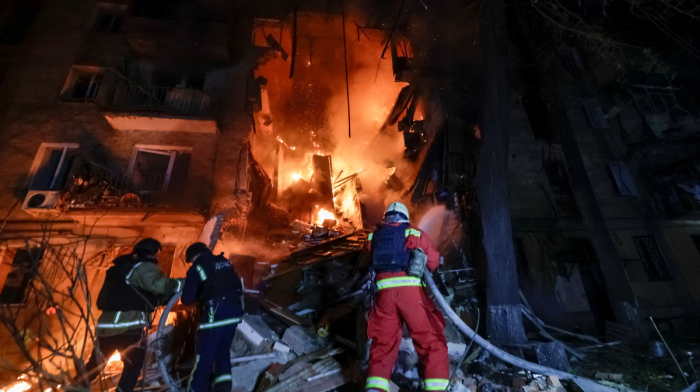
As the Ukraine war is highlighted by some leaders during the United Nations' 81st General Assembly meeting in New York, Russian forces attacked the Ukrainian capital Kyiv early on Thursday with ballistic missiles, killing two people and injuring six, Mayor Vitali Klitschko said.
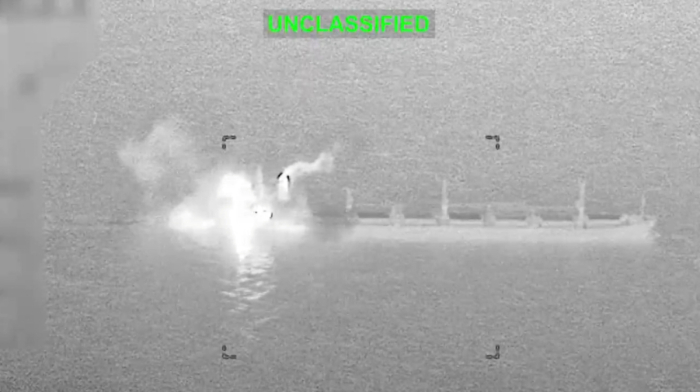
Shipping traffic through the Strait of Hormuz remained low on Thursday, as Iran reiterated that it will neither enter into new negotiations with the United States nor re-open the Strait as long as its conditions are not met, despite recent indirect talks in New York mediated by Qatar.
U.S. Secretary of State Marco Rubio is set to meet Russian Foreign Minister Sergey Lavrov in New York on Wednesday, as Washington pushes for an end to the war in Ukraine and Kyiv and Moscow continue to strike energy infrastructure.
The 81st UN General Assembly continues in New York on Wednesday, with another day of high-level speeches and diplomatic meetings. The wars in the Middle East and Ukraine, global security and international cooperation remain at the centre of discussions.
The 81st UN General Assembly has wrapped up its third day in New York on Thursday, with world leaders delivering high-level speeches and holding diplomatic meetings.
Georgian Prime Minister Irakli Kobakhidze used his address to the UN General Assembly's 81st session in New York this week to make a two-part case: that Georgia is becoming an indispensable regional hub, and that it remains open to repairing ties with international partners.
The World Nomad Games, which began in 2014, are a biennial tournament of traditional nomad sports, mostly originating from Central Asia. It's an alternative test of strength, both mental and physical, and are a wild, spectacular sight to behold.
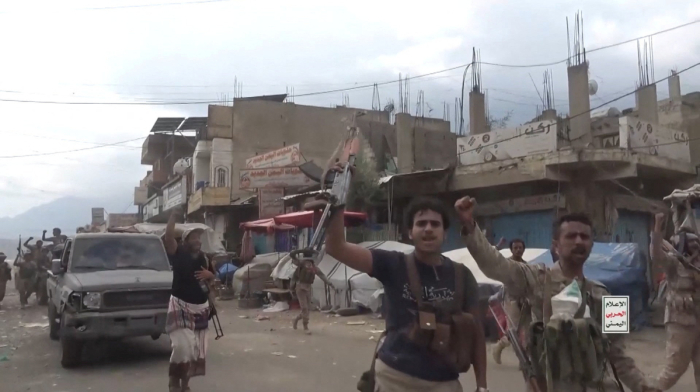
Saudi Arabia, Türkiye and Pakistan will hold an urgent high-level meeting under a joint defence pact to discuss ways to support the kingdom amid attacks by Yemen's Iran-aligned Houthis. The meeting comes as Tehran seeks to distance itself from the rapid advance of its Houthi allies.
Armenian Prime Minister Nikol Pashinyan says Yerevan wants to deepen ties with Moscow while strengthening its partnership with the European Union as part of a balanced foreign policy.
For decades, the Strait of Hormuz has been one of the Gulf’s main gateways to the world. Now, months of disruption are pushing regional governments to invest in alternative routes and move more cargo around the strategic waterway.
You can download the AnewZ application from Play Store and the App Store.
What is your opinion on this topic?
Leave the first comment