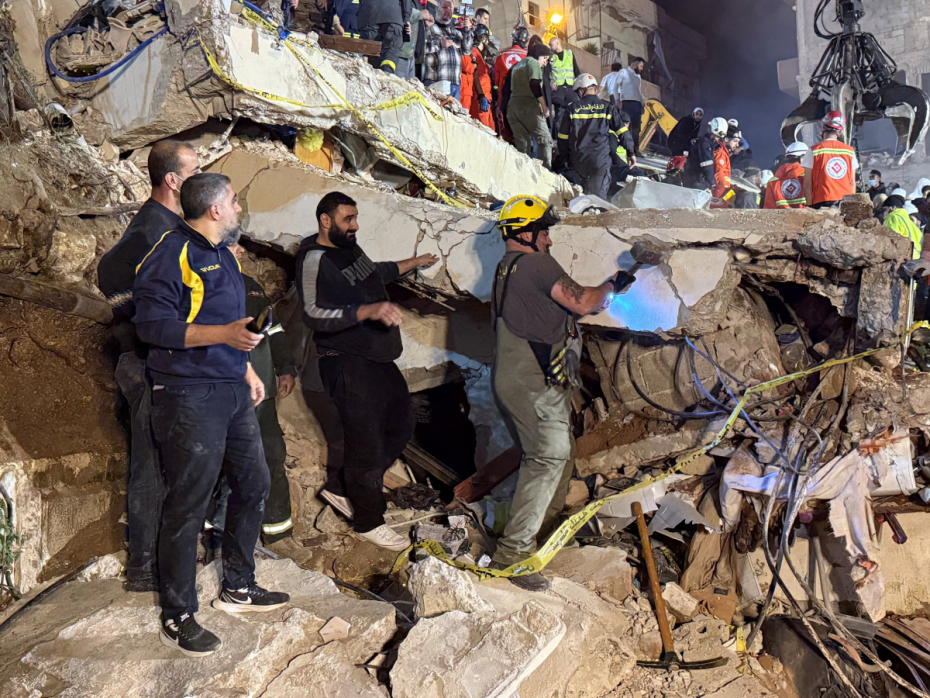
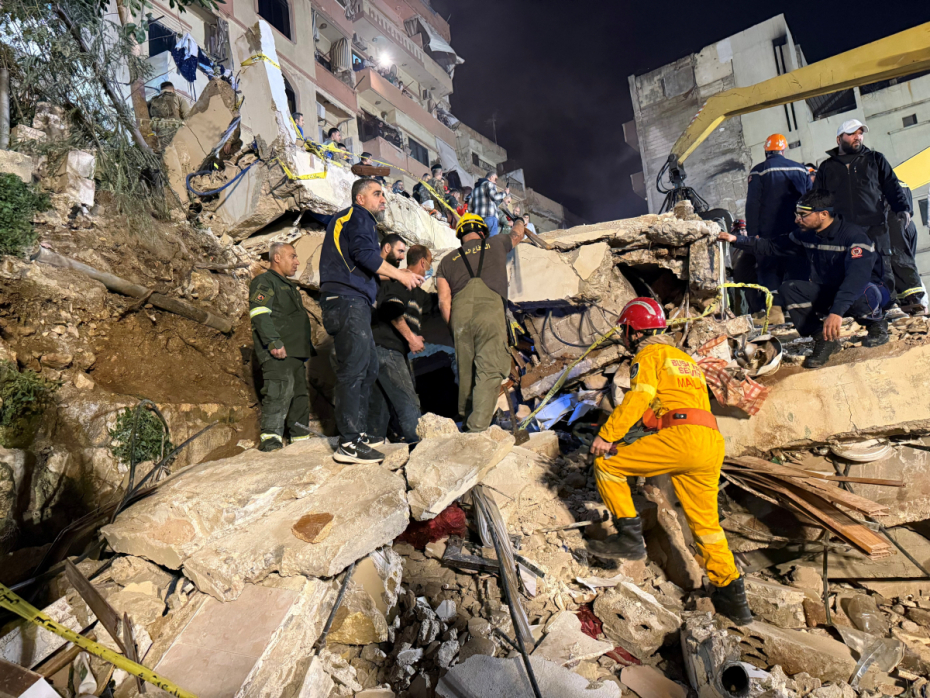
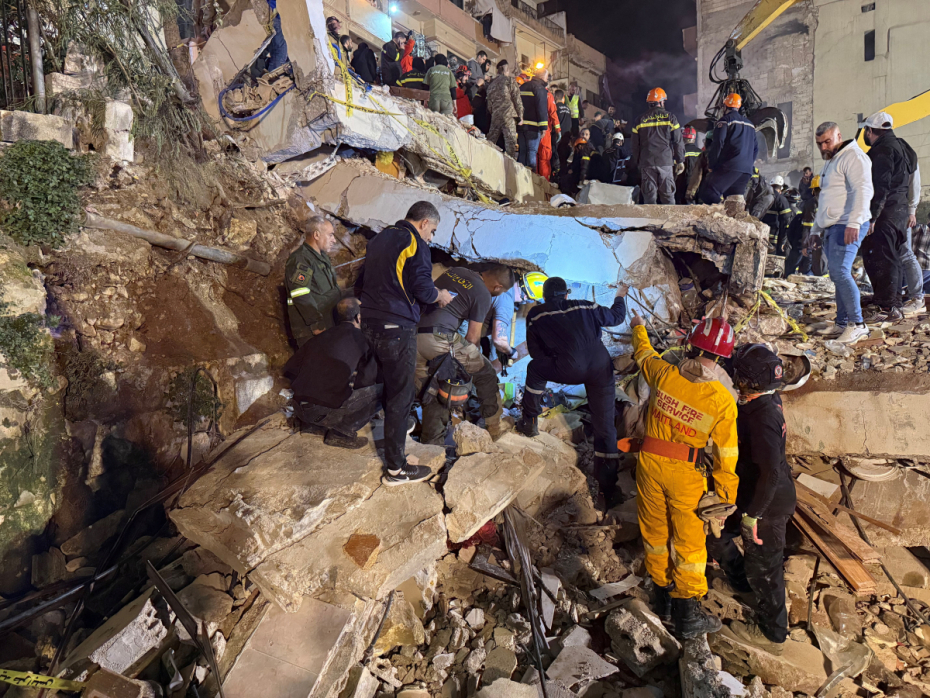
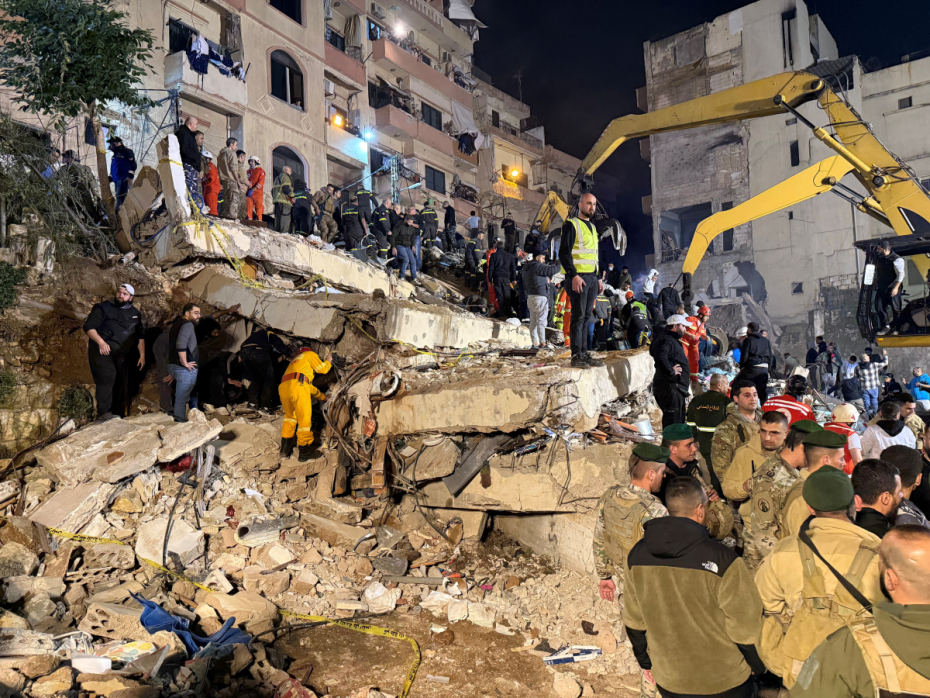
The death toll from the collapse of two residential buildings in the northern Lebanese city of Tripoli has risen to 15, state media said on Monday, as rescue teams wrapped up search operations and officials warned that more people could still be missing.
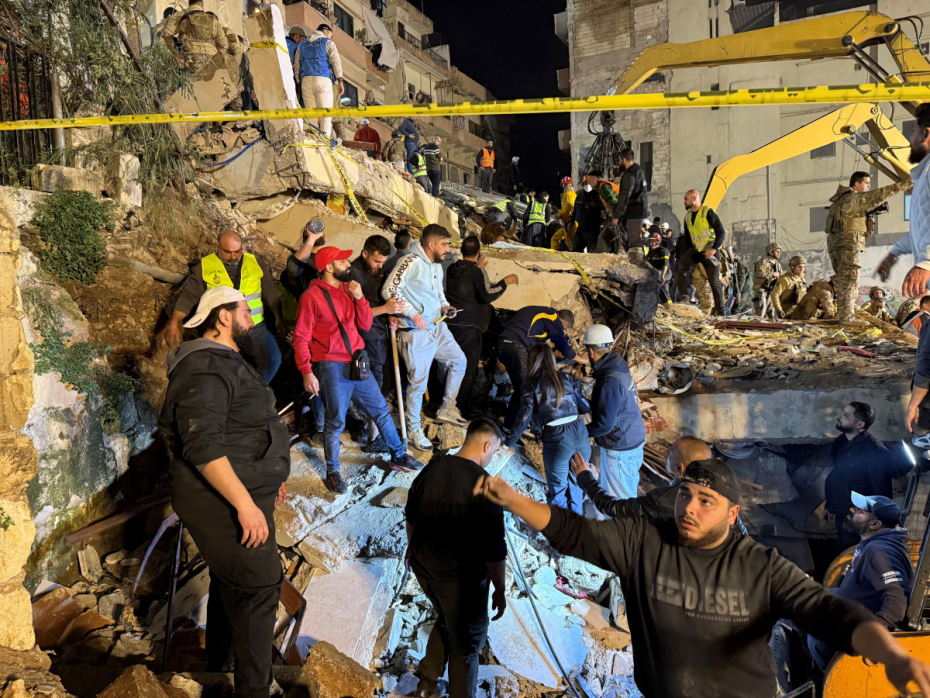
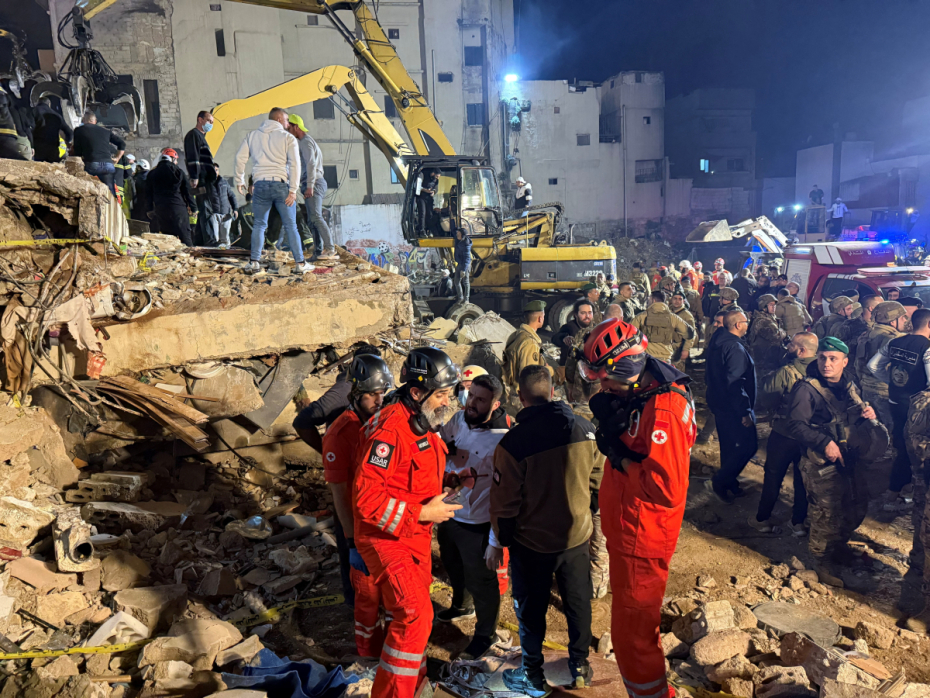
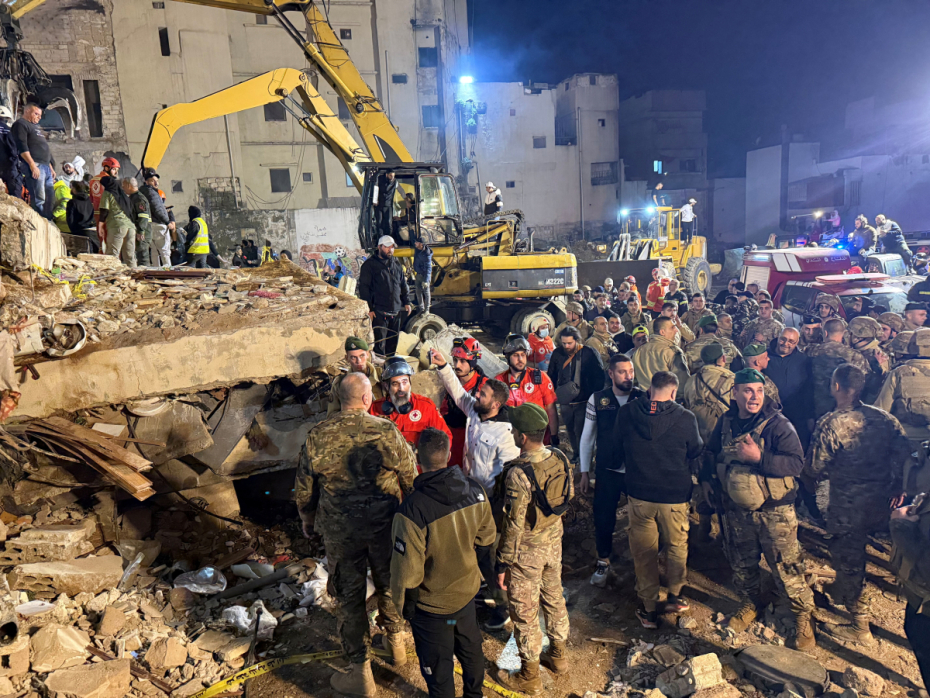
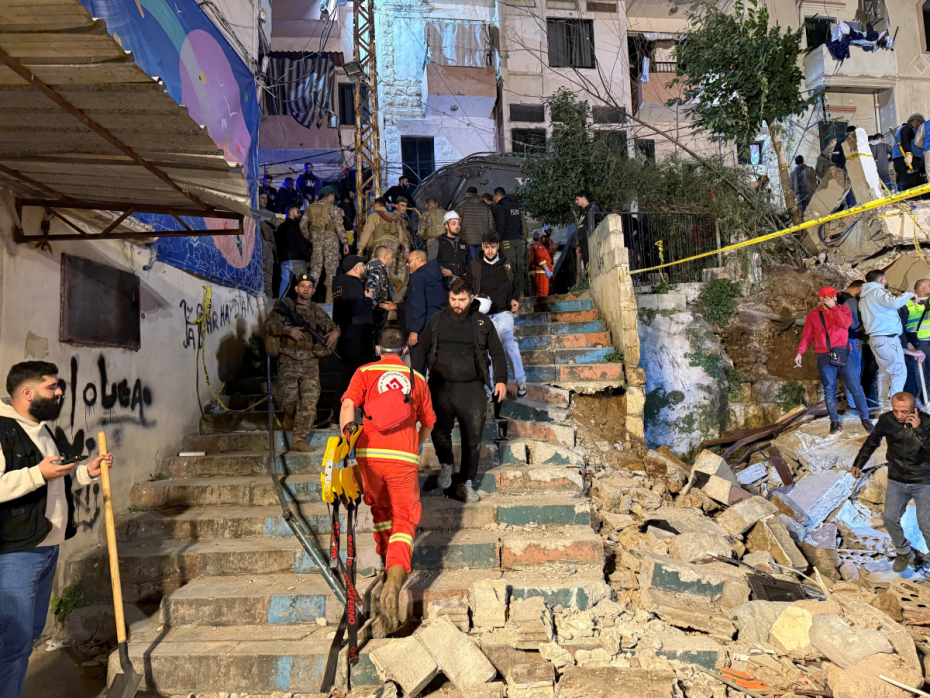
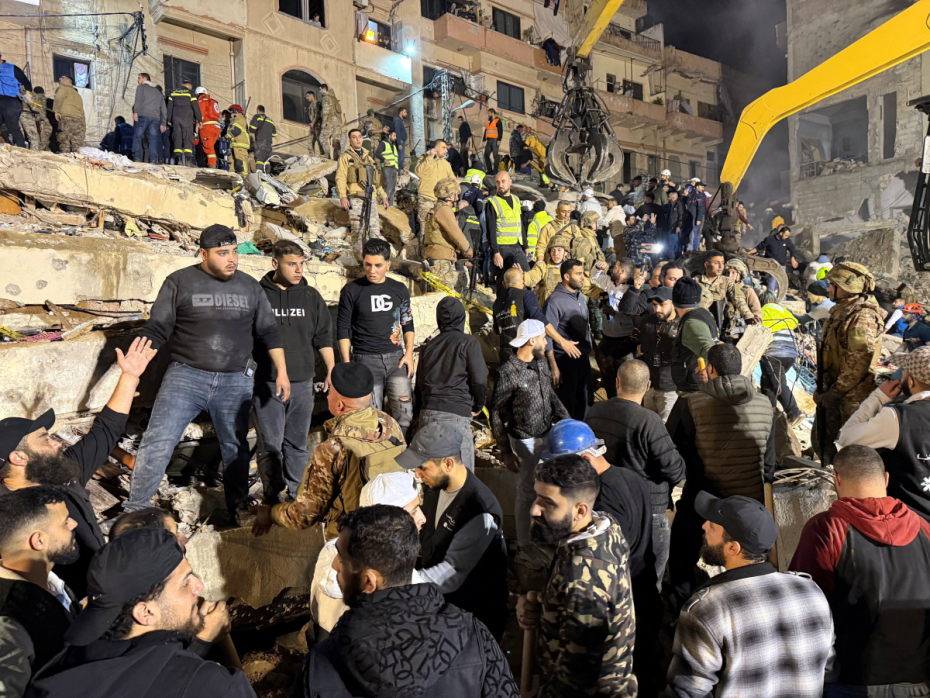
The buildings collapsed on Sunday in the impoverished Bab al-Tabbaneh neighbourhood, sending clouds of dust and debris into the surrounding streets. Eight people were rescued alive, according to Civil Defence director general Imad Khreiss.
Khreiss said the two adjoining buildings were home to 22 registered residents, though municipal authorities cautioned that the actual number of people inside at the time of the collapse remains unclear.
Footage shared on social media showed one side of the buildings giving way at the lower floors before both structures collapsed almost simultaneously, leaving a deep crater at the site. Large crowds later gathered around the rubble, while emergency crews used heavy machinery to clear debris.
Tripoli Mayor Abdel Hamid Karimeh said the city had suffered years of neglect and warned that thousands of residents remain at risk due to unsafe housing.
“Thousands of our people in Tripoli are threatened due to years of neglect,” Karimeh said, adding that the situation was beyond the capacity of the municipality. He later announced that he had submitted his resignation to the interior minister, describing Tripoli as “disaster-stricken”.
President Joseph Aoun said he was monitoring developments and called on rescue teams nationwide to mobilise. Prime Minister Nawaf Salam described the collapse as a “humanitarian catastrophe” and said the government was ready to assist displaced residents.
“The government is fully prepared to provide accommodation for all residents of buildings that need to be evacuated,” Salam said, adding that the disaster was the result of years of accumulated neglect.
The collapse is the fifth residential building failure in Tripoli this winter, underscoring growing concerns over ageing and poorly maintained structures in Lebanon’s second-largest city. Days earlier, residents were evacuated from a nearby building after cracks appeared, and two weeks ago another collapse killed a father and daughter.
Last month, the head of Lebanon’s Higher Relief Authority said more than 100 buildings in Tripoli required evacuation warnings. Many residential blocks across the country were built illegally or expanded without proper permits during and after the 1975–1990 civil war, authorities say, leaving thousands at risk — particularly during the cold and wet winter months.
In a statement, Lebanon’s national syndicate for property owners said the collapse was the result of “blatant negligence and shortcomings of the Lebanese state” and called for a nationwide assessment of buildings at risk of failure.











What is your opinion on this topic?
Leave the first comment