A second group of Palestinians receiving medical treatment arrived in Egypt from Gaza via the Rafah border crossing on Tuesday (3 February).
Israel reopened the crossing on Monday for the first time in months, allowing a limited number of Palestinians to exit the Strip in what was described as a major step in a U.S.-backed plan to end the war, although strict Israeli security checks slowed the process.
The Rafah crossing, surrounded by rubble and ruins, is the sole land route in or out for nearly all of Gaza’s more than 2 million residents.
On Monday, Israel allowed five patients, each accompanied by two relatives, to cross into Egypt.
About 20,000 Gazans are seeking permission to leave Gaza for medical treatment abroad.
Meanwhile, according to reports, some returnees arrived at the Rafah crossing earlier in the day to complete administrative procedures before entering Gaza.
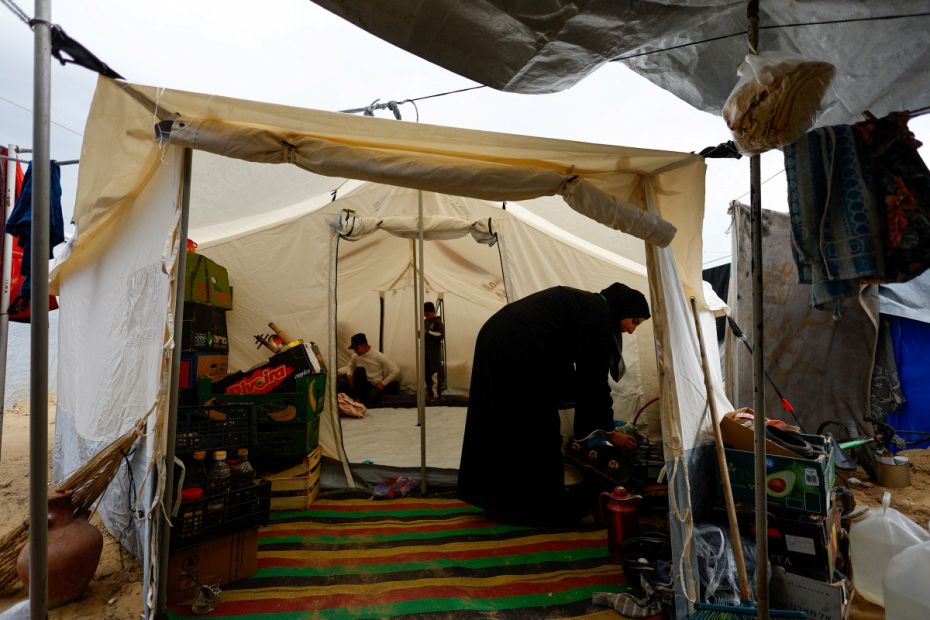
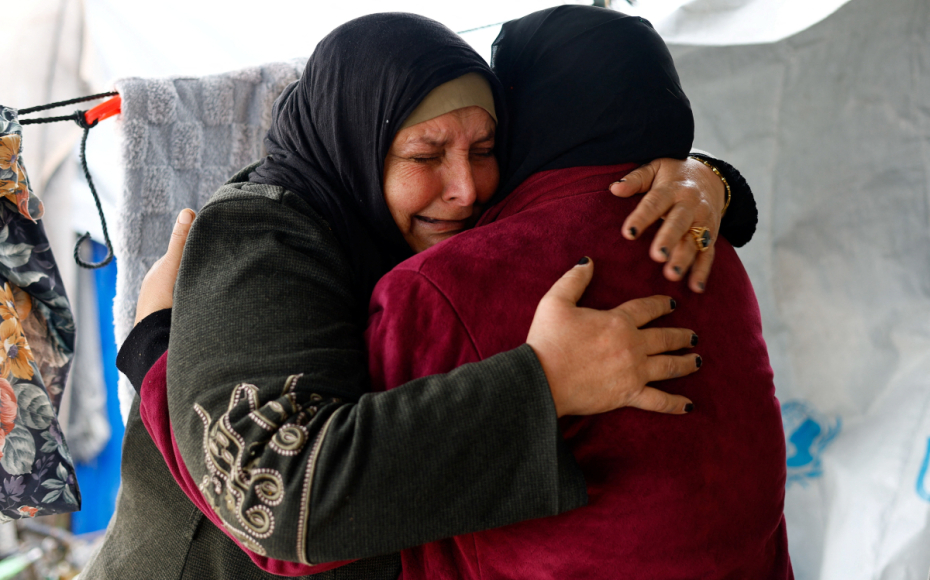
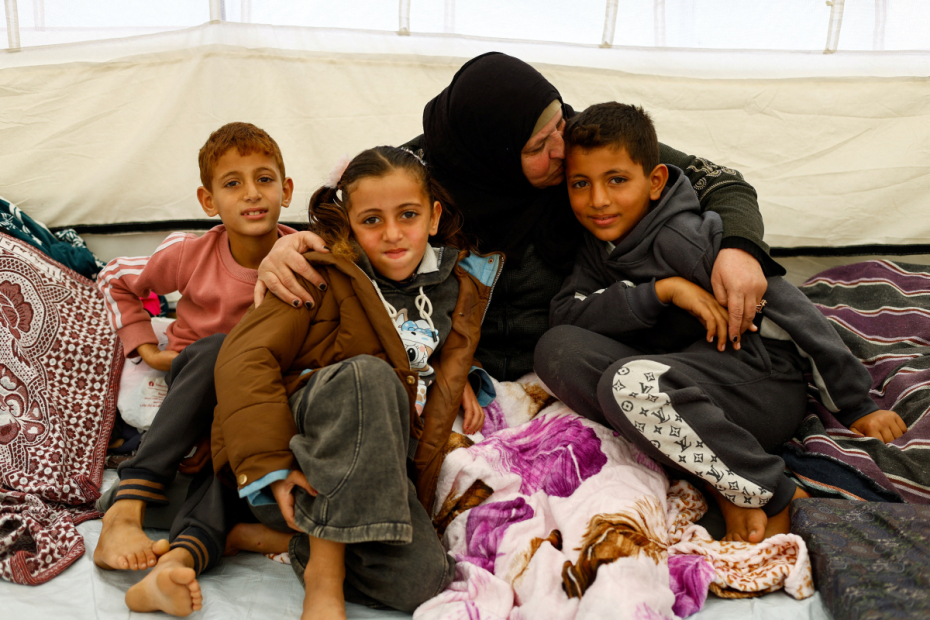
“It was a journey of horror, humiliation and oppression,” said 56-year-old Huda Abu Abed, speaking by phone from a tent where her family is sheltering in Khan Younis.
Israeli media reported that around 50 Palestinians were expected to return to Gaza.
Gaza health officials estimate that nearly 22,000 patients are still waiting for the full reopening of the crossing.
In a statement denying any wrongdoing, Israel's military said there were no known incidents of inappropriate conduct, mistreatment, apprehensions or confiscation of property by the Israeli security establishment.
Israel seized control of the Rafah crossing in May 2024, nearly nine months into its war on Gaza, turning the vital humanitarian route largely inaccessible.
Rafah under security control
The Rafah crossing, the only exit point for most of Gaza’s more than two million residents, has remained closed for much of the war. It was due to reopen during the first phase of the ceasefire agreement between Hamas and Israel reached in October.
Rafah, once home to around 250,000 people, was almost entirely depopulated after Israeli forces ordered residents to evacuate the area before carrying out widespread demolitions that left much of the city in ruins.
It now lies within a security zone retained by Israel after its forces pulled back to a designated line in October, where local armed groups, including the Popular Forces, are also operating.










What is your opinion on this topic?
Leave the first comment