live Hopes for Hormuz deal fade as Trump adds new demands to Iran peace talks
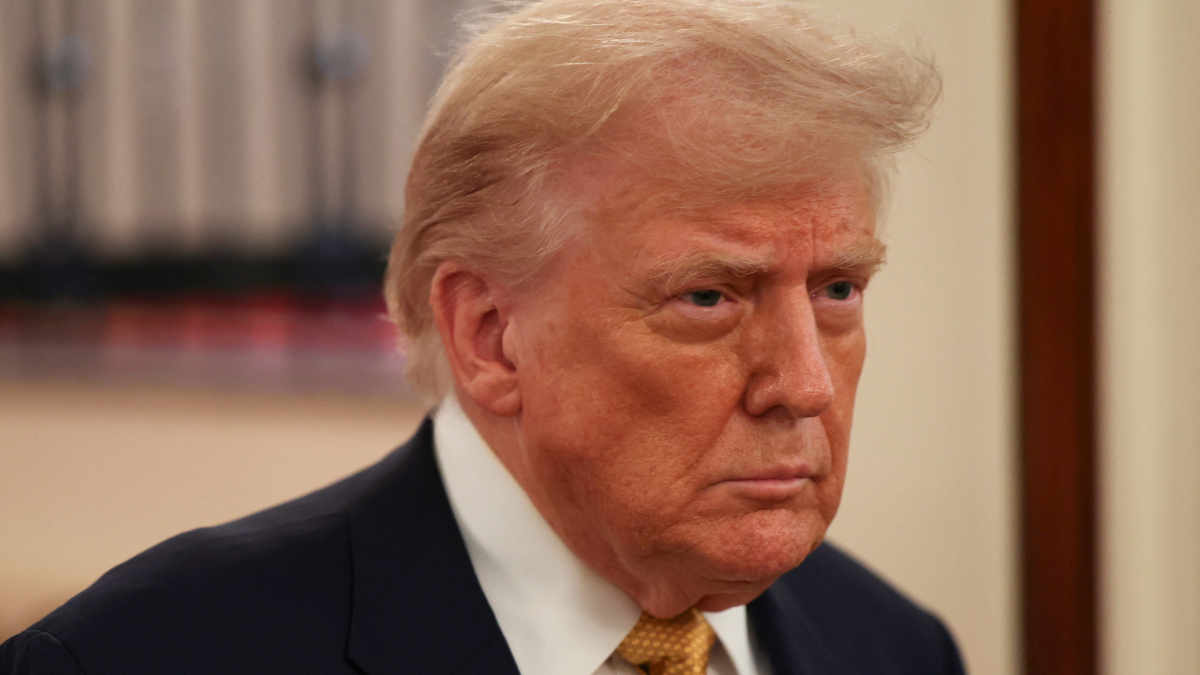
U.S. President Donald Trump has called for Iran to pay compensation for decades of deaths and damage, adding a new demand to peace talks as Tehran see...
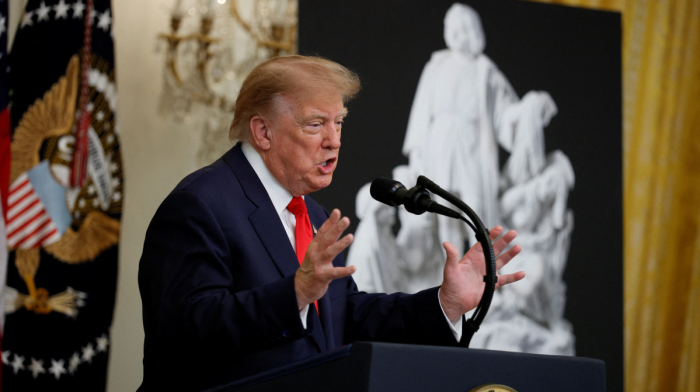
U.S. President Donald Trump is expected to announce the creation of a Gaza “Board of Peace” next week as part of the second phase of the ceasefire agreement aimed at ending the conflict in Gaza, according to reports.
The board will be chaired by President Trump and is set to include around 15 international leaders, U.S. officials told Axios.
Its mandate will be to supervise the establishment of a Palestinian technocratic government and oversee the reconstruction of the Gaza Strip, according to officials familiar with the plan.
Invitations to prospective member countries are already being issued, and the board’s formation is a key element of advancing the ceasefire framework reached in late 2025. The international authority is expected to operate under a two‑year, renewable United Nations mandate.
Alongside the board, a committee of Palestinian technocrats will be established to manage day‑to‑day administration in Gaza once hostilities have ceased and reconstruction begins.
Reportedly, former UN envoy to the Middle East, Nikolay Mladenov, is set to serve as the board’s representative on the ground.
Preparations for the announcement follow diplomatic engagement between U.S. President Donald Trump and Israeli Prime Minister Benjamin Netanyahu, who have signalled progress toward advancing to the next phase of the peace plan.
The timing and composition of the Board of Peace could still shift as negotiations continue with regional partners and with the Palestinian Authority.
The initiative has drawn scrutiny from some Arab leaders who emphasise the importance of clear peacekeeping mandates and robust humanitarian support.
The initiative forms part of a broader U.S.‑brokered ceasefire that has already led to significant reductions in violence and moves toward post‑war governance and reconstruction arrangements in Gaza.
Since the ceasefire took effect on 10 October 2025, months of intense hostilities were paused which made way for phased hostage and prisoner exchanges, as well as limited Israeli troop withdrawals from parts of the Strip.
While the process reduced immediate tensions, diplomats and analysts warn that the ceasefire remains fragile.

One hundred years after the First World War and more than eighty years after the devastation of the Second World War gave rise to the United Nations, humanity once again finds itself living in an age of permanent crisis.
Flights arriving at Catania airport in eastern Sicily were suspended after volcanic ash from a new eruption of Mount Etna drifted into the airspace around the airport, disrupting operations at one of Italy’s busiest aviation hubs.
For months, efforts to secure the Red Sea have focused on what is happening in the water. Naval deployments have increased, governments have expanded maritime cooperation and shipping companies have adapted to persistent security threats.
Greenland has issued a “strong warning” to a U.S. oil company linked to President Donald Trump after drilling equipment was brought ashore without the required government approvals, according to British media.
Iran said it was nearing a final pact with Oman defining new shipping lanes between them through the Strait of Hormuz but repeated that the U.S. must meet other conditions.
Kazakhstan has begun building the Beineu-Saksaulsk highway, a new Middle Corridor link expected to shorten freight journeys between China and Europe by around 1,000 kilometres and reduce delivery times by up to three days.
Russia has welcomed what it describes as a shift in Georgia’s approach to the August 2008 war, praising statements that place responsibility for the conflict on former President Mikheil Saakashvili and his government.
Uzbekistan has secured preferential tariffs for fertiliser and petroleum product shipments through Kazakhstan’s Kuryk port to Georgian ports, as Uzbek cargo volumes across the Caspian continue to rise.
Police in eastern India used tear gas, batons and water cannon on Monday to disperse thousands of young protesters marching on the Jharkhand state legislature over alleged irregularities in civil service examinations.
Rising temperatures are threatening Georgia’s farms, energy supply and banking sector, with experts warning that the country has a narrow window to prepare before the economic costs grow significantly.
You can download the AnewZ application from Play Store and the App Store.
What is your opinion on this topic?
Leave the first comment