Strait of Hormuz blockade should continue says Iran's new Supreme Leader: Middle East conflict on 12 March
Iran should continue “blocking the Strait of Hormuz,” while the U....
Israeli air strikes in Gaza and Lebanon have raised fresh concerns about the durability of ceasefire agreements, after deadly attacks were reported in both territories.
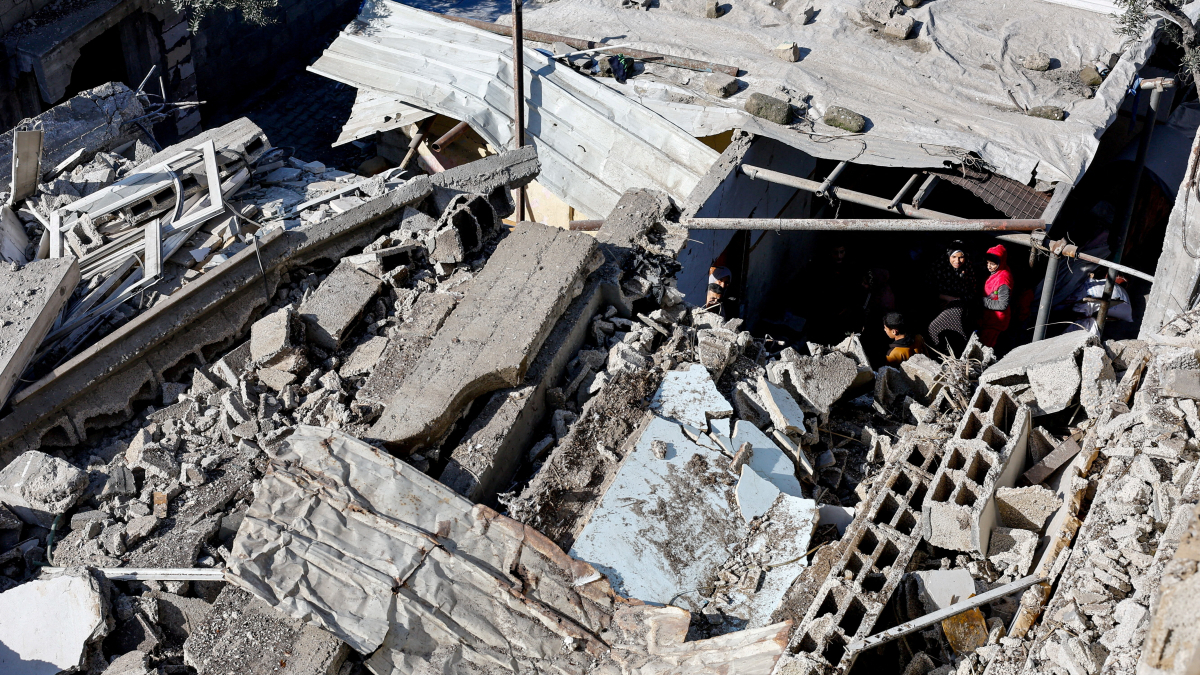
In the southern Gaza Strip, at least two Palestinians were killed and four others injured when an Israeli strike hit the city of Khan Younis on Monday, 5 January, according to officials at Nasser Hospital, the area’s main medical facility.
Hospital staff said those killed were a young girl and her uncle. The strike hit a tent sheltering displaced people.
The area targeted was one from which Israeli forces had previously withdrawn under a ceasefire that came into effect on 10 October.
Since then, Gaza’s health authorities say more than 420 Palestinians have been killed in related violence, while Palestinian militants have killed several Israeli soldiers.
Israel also carried out air and drone strikes in southern and eastern Lebanon, saying it was targeting infrastructure linked to Hezbollah and Hamas.
The Israeli military issued evacuation orders for four villages (Hammara, Ain el-Tineh, Kfar Hatta and Aanan) citing militant activity in the area.
Lebanon’s Health Ministry reported that a drone strike on a vehicle in the southern village of Braikeh wounded two people.
Israeli authorities said the vehicle was carrying two Hezbollah members, accusing the group of repeated threats and violations of the truce.
Additional strikes were reported in southern and eastern Lebanon, including near the coastal city of Sidon. Lebanese officials said one civilian was injured. Israel said the sites hit were used by Hezbollah and Hamas.
There was no immediate response from Hamas or Hezbollah.
The latest attacks come amid a ceasefire between Israel and Hezbollah that took effect in late 2024, following more than a year of cross-border fighting.
Monitoring groups and Lebanese officials say the truce has been marked by repeated violations, with hundreds of Israeli air strikes reported in southern Lebanon since the agreement began.
Despite ceasefire arrangements, regional tensions remain high, fuelling fears that renewed violence could further destabilise the area.

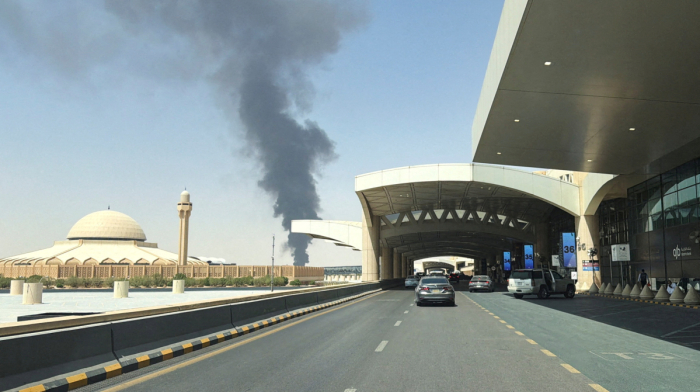
The 32 countries belonging to the Internatioanl Energy Agency agreed to release 400 million barrels of oil on Wednesday (11 March), in efforts aimed at bringing down the price of crude oil, which has soared since fighting between Iran, Israel and the U.S. started at the end of February.
The U.S. should shut down its military bases in the Middle East, Iran's new Supreme Leader Mojtaba Khamenei said on Thursday (12 March). His words were read out by a broadcaster on state Iranian television.
A towering lava fountain from Kilauea shot about 400 metres into the air late on Tuesday (11 March) on Hawaii Island, prompting temporary closures at Hawaii Volcanoes National Park and part of a key highway as volcanic ash and debris fell over nearby areas.
More than 68,000 children in eastern Afghanistan have been displaced after clashes between Afghan and Pakistani forces intensified along the border, according to a new report by Save the Children.
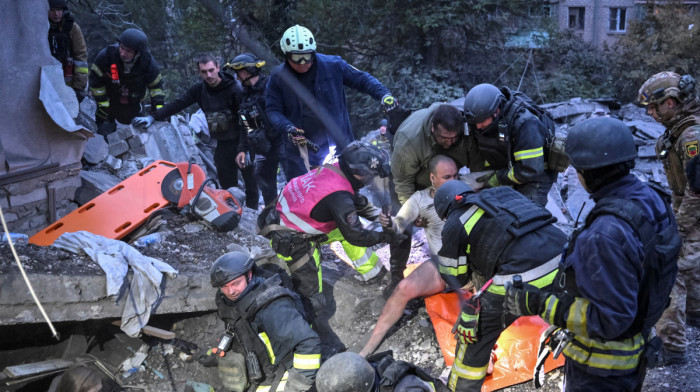
Norwegian police apprehended three brothers suspected of carrying out Sunday's (8 March) bombing at the U.S. embassy in Oslo, in an attack investigators have branded an act of terrorism.
Iran should continue “blocking the Strait of Hormuz,” while the U.S. should “shut” its Middle East military bases, new Iranian Supreme Leader, Mojtaba Khamenei, said on Thursday in his first speech since being elected. He is still yet to appear in public, and a broadcaster read out his words.
International security and climate change are top of the agenda as leaders and policymakers from around the world meet at the 13th Global Baku Forum in the Azerbaijani capital this week.
Fifteen Turkish-owned vessels remain stranded in the blockaded Strait of Hormuz, Türkiye’s Transport and Infrastructure Minister Abdulkadir Uraloğlu said on Wednesday.
New Iranian Supreme Leader Mojtaba Khamenei has said Iran should continue ‘blocking the Strait of Hormuz’ in his first statement since his election, read out on Iranian State television on Thursday (12 March).
Iran’s President Masoud Pezeshkian has set recognition of Tehran’s inalienable rights, payment of war compensation, and international guarantees against any future invasion as conditions for ending the U.S.–Israel war with the Islamic Republic.
You can download the AnewZ application from Play Store and the App Store.
What is your opinion on this topic?
Leave the first comment