Several people have been killed during nationwide unrest in Iran, according to Iranian media and rights groups, as protests over currency collapse and soaring prices escalated into violence across multiple provinces.
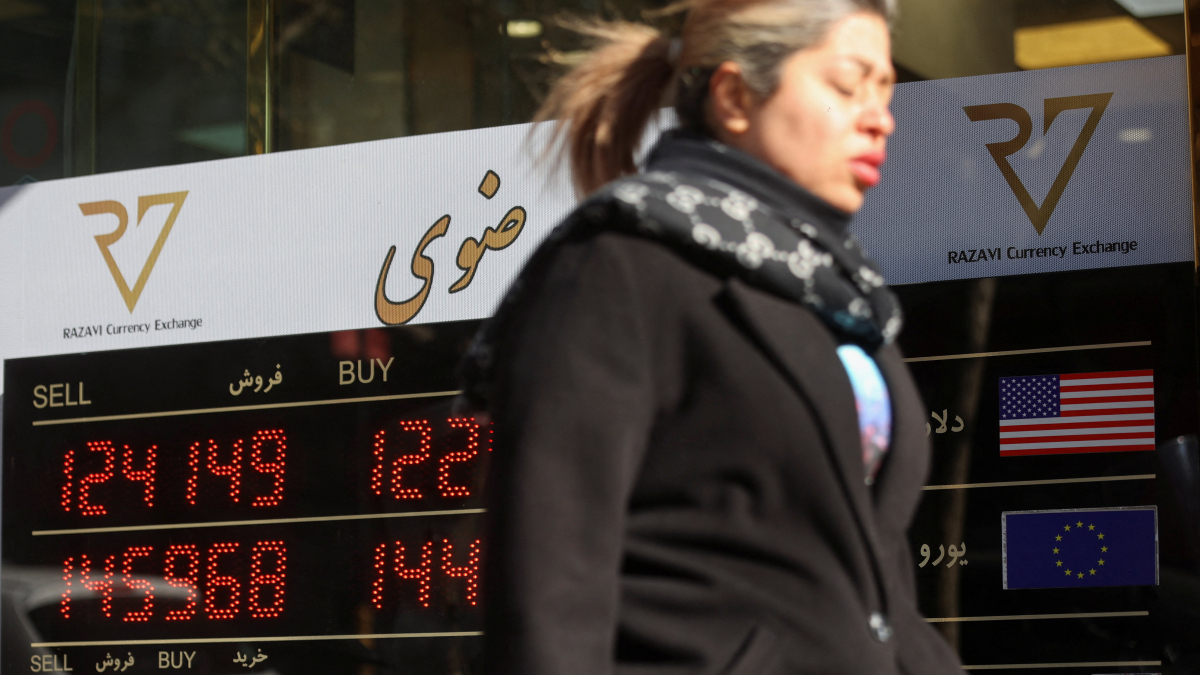
Iran has been gripped by its most widespread protests in three years, fuelled by public anger over worsening economic hardship, inflation above 40%, and the sharp fall of the rial. Demonstrations that began with shopkeepers and merchants have spread across several regions, with reports of clashes between protesters and security forces in Lorestan, Charmahal and Bakhtiari, Isfahan and other provinces.
Semi-official outlet Fars reported that three protesters were killed and 17 were wounded when demonstrators stormed a police station in Lorestan, setting vehicles on fire during an evening confrontation. Additional deaths were reported in Lordegan, where both Fars and rights group Hengaw cited casualties amid clashes with security personnel. Authorities also confirmed one death in Kuhdasht, while Hengaw claimed a protester was shot dead in Isfahan. Reuters said it could not independently verify the casualty reports.
Iran’s Revolutionary Guards stated that a Basij member, identified as Amirhossam Khodayari Fard, was killed in Kuhdasht, accusing armed demonstrators of exploiting the unrest. Hengaw, however, described him as a protester shot by security forces. HRANA reported fresh protests on Thursday in Marvdasht in Fars province, and activists said detentions took place in Kermanshah, Khuzestan and Hamedan.
The government faces pressure at a critical moment, with Western sanctions straining an economy already weakened by inflation, currency collapse and recent regional tensions. Tehran says it will offer dialogue with trade unions and business representatives, though exact plans were not disclosed. Government spokesperson Fatemeh Mohajerani signalled willingness to engage, while authorities have tightened their security response in protest-hit areas.
Bazaars and university campuses have been central to the demonstrations, with merchants closing shops and students joining rallies. The government declared a nationwide holiday on Wednesday, officially due to cold weather, effectively slowing movement across the country.
Iran’s economic decline has deepened over recent years, shaped by sanctions tied to its nuclear programme and regional instability. Official data shows the rial losing about half its value in 2025 and inflation reaching 42.5% in December, leaving ordinary citizens struggling with food, fuel and medicine costs. Discontent has spilled into the streets many times in the past decade, and authorities have often responded with mass arrests and heavy policing.
The latest confrontation marks a new test for Iran’s leadership as negotiations, public frustration and deteriorating living standards converge. Whether promised dialogue eases tensions or the crackdown expands will likely define how long these protests endure.










What is your opinion on this topic?
Leave the first comment