Iran-U.S.-Israel tensions rise after strikes and threats of retaliation- 31 March
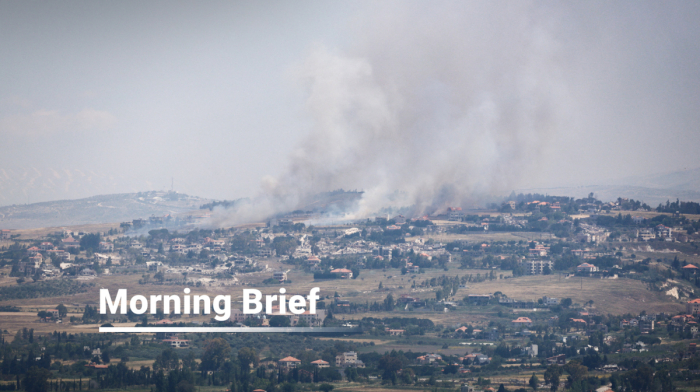
The Iran-U.S.-Israel conflict is intensifying, with fresh strikes near Tehran, European calls for restraint, and Iran threatening to target U.S. fi...
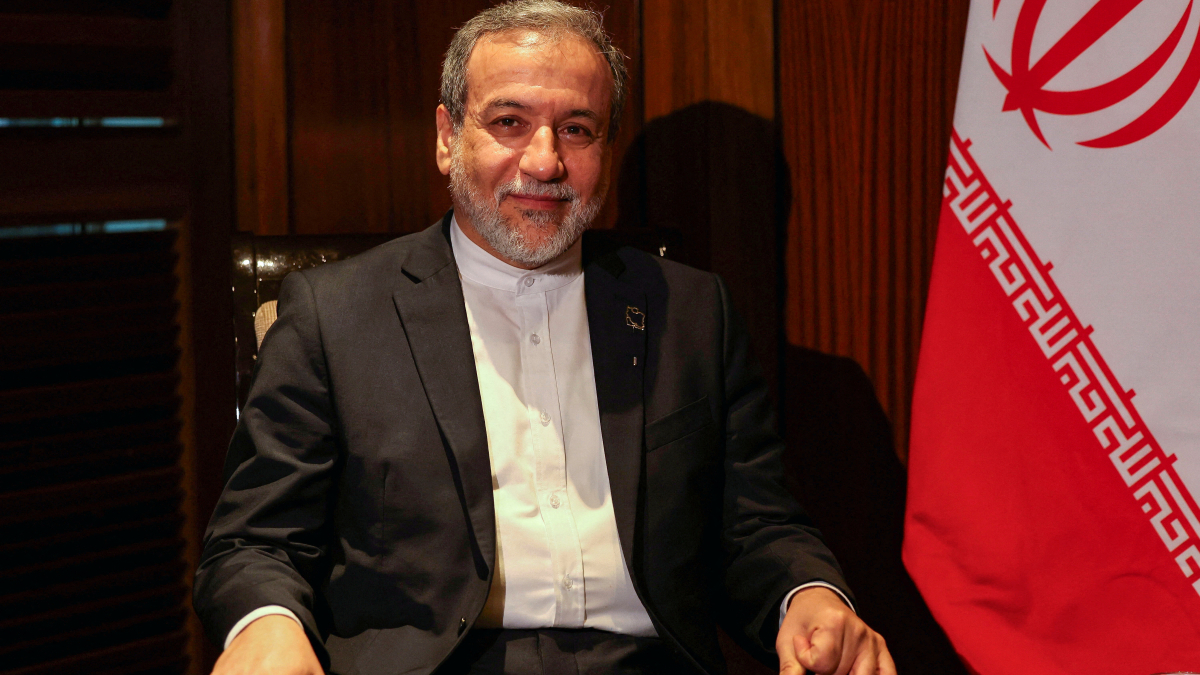
Iran’s Foreign Minister Abbas Araghchi said the Islamic Republic has closed its security gaps after Israel and U.S. repeatedly bombed the country in June.
Tehran also said it spotted Israel’s security shortcomings during the 12-day war.
In an interview with the Omani presenter Musa al-Far’I reported by IRNA, he said the war had its blessings, “the most important of which was that Iran’s missiles and other weapons were tested for the first time in a real war”.
“The 12-day war undoubtedly inflicted heavy losses and costs on us, but it also had its blessings … we used these to their full potential, and all our strengths and weaknesses were revealed to us.”
He stressed that Iran has a better defence power than it did before the start of war in June both in terms of the quantity and quality.
According to Araghchi, Iran not only recognised its weaknesses and addressed them, but it also identified weaknesses of its enemy based on which Tehran has made upgrades to its security plans.
“We recognised our weaknesses and also the weaknesses of the enemy, and we eliminated many of them. We also revised many of our policies.”
He added that Tel Aviv and Washington waged the war out of misunderstanding and miscalculation because it ultimately cemented the national solidarity of Iranians.
“The recent war has helped us close many security gaps. As I said, the war has given us valuable experiences because it has exposed our weaknesses and we have addressed them.”
Iran and U.S. were in the middle of mediated nuclear negotiations when Israel attacked Iran on June 13. Days later, U.S. President Donald Trump joined Israel, ordering strikes on Iran’s major civilian nuclear site under UN safeguards on June 22.
He also said Israel and the U.S. thought the war would turn the people of Iran against their government, but the opposite happened.
“The people came to the streets to support the government and the country. As a result, our national unity was strengthened.”
Araghchi’s interview with Ma' Musa al-Far'i program took place last month in Muscat, Oman but surfaced recently as the rhetoric between Iranian and Israeli military officials appeared to lean toward the possibility of a second encounter.
“This war that the Zionist regime started was based on misunderstanding and miscalculation, and as I said, repeating this mistake will not result in anything but the same defeat,” warned Iran’s top diplomat.
U.S. President Donald Trump has said that the U.S is in talks with the new Iranian regime. He said this in a post on his Truth Social account but warned that the U.S. will "Obliterate" Iran's electric and oil facilities if no deal is reached, especially regarding the Strait of Hormuz closure.
NASA is aiming to launch its Artemis 2 mission on Wednesday (1 April), sending astronauts on a 10-day journey around the Moon, officials confirmed. According to the Space Administration, the launch window is due to open at 23:24 GMT, with additional opportunities to 6 April if delays occur.
The Iran-U.S.-Israel conflict is intensifying, with fresh strikes near Tehran, European calls for restraint, and Iran threatening to target U.S. firms in the region, raising fears of a broader escalation across the Middle East.
The war in Iran has rapidly upended regional security, triggering spillover across the Middle East and raising fears of wider economic disruption that could threaten globalisation.
The Israeli military said on Monday that Iran launched multiple waves of missiles at Israel, and an attack had also been launched from Yemen for the second time since the U.S.-Israeli war began on Tehran. It said two drones from Yemen were intercepted early 30 March but gave no further details.
Afghanistan’s Ministry of Mines and Petroleum says around 25 kilometres of the TAPI gas pipeline have been laid in Herat province, as work continues on one of the region’s largest energy projects.
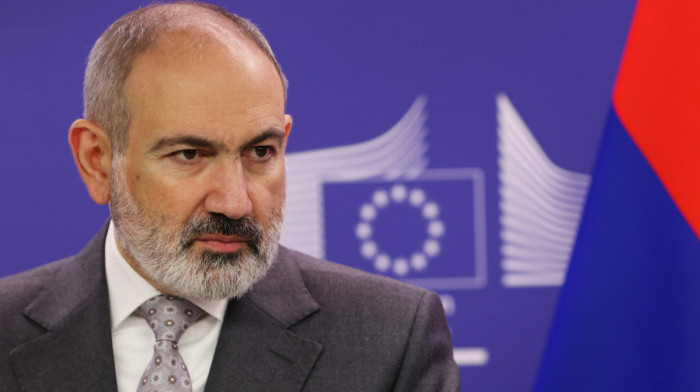
Three Armenian citizens have been charged following an alleged attempt to attack Prime Minister Nikol Pashinyan at St Anna Cathedral in Yerevan on 29 March. Analysts say the incident reflects rising tensions between the government and the Church ahead of upcoming elections.
A man previously convicted of spying on Türkiye has been arrested by Turkish and Syrian authorities after more than a decade on the run, Turkish security sources said on Monday.
Uzbekistan is hosting the fifth-anniversary Space Technology Conference - Central Eurasia (STC 2026), bringing together more than 400 delegates, 24 sponsors and representatives from 32 countries to discuss the region’s space industry and expand international cooperation.
Kazakhstan remains among the least dependent countries in Central Asia on Chinese capital, maintaining a diversified external debt structure and greater financial flexibility than its regional peers.
You can download the AnewZ application from Play Store and the App Store.
What is your opinion on this topic?
Leave the first comment