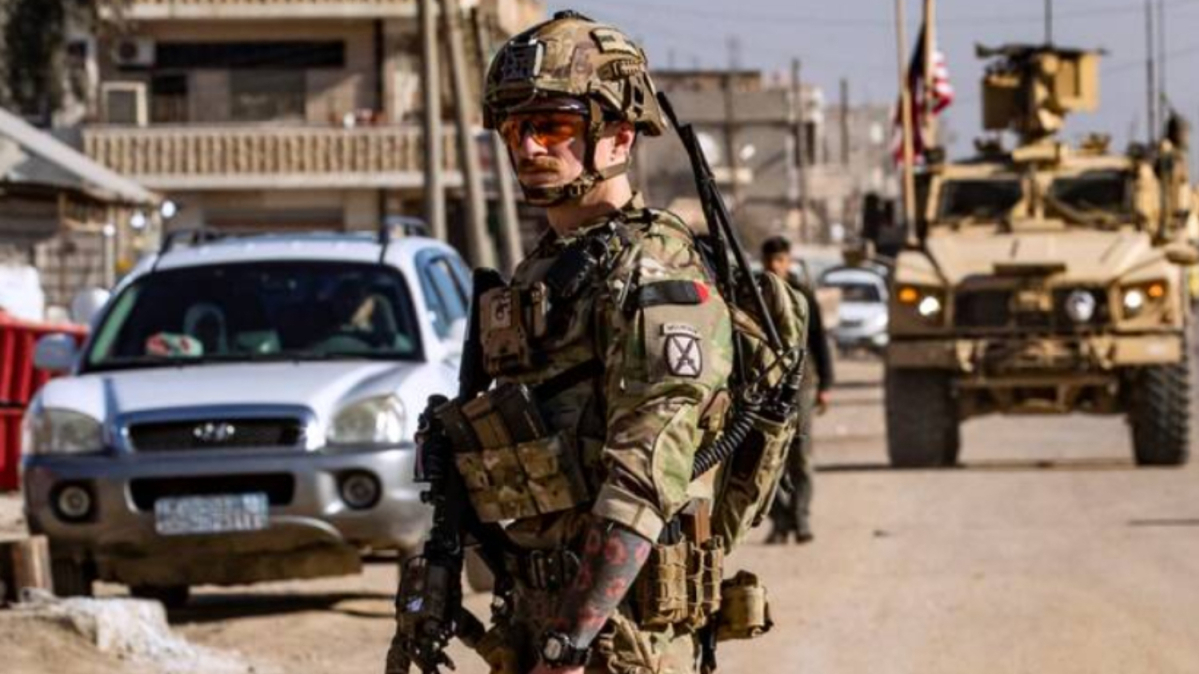
The U.S. military said on Sunday it had destroyed 15 sites containing Islamic State (ISIS) weapons caches in southern Syria, in one of the most extensive joint operations with Syrian forces in recent years.
According to U.S. Central Command (CENTCOM), American and Syrian forces identified and eliminated the storage facilities across the Rif Damashq province during a series of airstrikes and ground demolitions conducted between 24 and 27 November.
“The combined operation destroyed over 130 mortars and rockets, multiple assault rifles, machine guns, anti-tank mines, and materials for building improvised explosive devices,” CENTCOM said in a statement.
Admiral Brad Cooper, CENTCOM commander, said the mission was part of ongoing efforts to prevent ISIS from regaining ground.
“This operation ensures gains made against ISIS are lasting,” he said.
The strikes come as the United States and Syria appear to be cautiously expanding military coordination against the remnants of the militant group. Once controlling vast swathes of Syria and Iraq, ISIS was largely defeated by a U.S.-led coalition several years ago but has since regrouped in small cells, particularly in desert and rural areas of Syria’s south and centre.
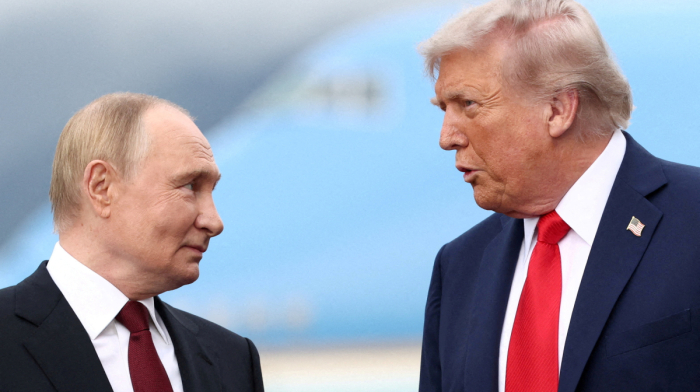
The announcement follows U.S. President Donald Trump’s meeting earlier this month with Syrian President Ahmed al-Sharaa in Washington — an historic encounter marking the first such talks between the two nations in more than a decade.
Trump, speaking after the 10 November meeting, said he was committed to helping Syria “succeed and stabilise” after years of war and international isolation. Sharaa, a former al Qaeda commander who until recently was under U.S. sanctions, has sought the full removal of economic restrictions imposed under the Caesar Act.
The Syrian government said it had launched pre-emptive nationwide operations against Islamic State cells in the days leading up to the Washington talks, describing them as a “signal of intent” to cooperate with U.S.-led counterterrorism efforts.
During the meeting, the U.S. Treasury Department announced a 180-day extension of its suspension of enforcement of the Caesar sanctions — a move widely interpreted as a temporary goodwill gesture. However, officials clarified that only the U.S. Congress can permanently lift the sanctions.
Analysts say the recent U.S.-Syrian coordination could mark a pragmatic shift driven by shared security concerns, even as political differences remain unresolved.
“The re-emergence of ISIS cells has forced both governments to reconsider the necessity of limited operational collaboration,” said a Middle East security expert in Washington.
“But full diplomatic normalisation remains a long way off.”
The joint campaign, spanning multiple provinces and targeting heavily fortified weapons depots, underscores a rare moment of alignment between Washington and Damascus — two former adversaries now converging, at least temporarily, against a common threat.













What is your opinion on this topic?
Leave the first comment