Saudi Arabia intercepts drone over Riyadh amid rising Houthi attacks
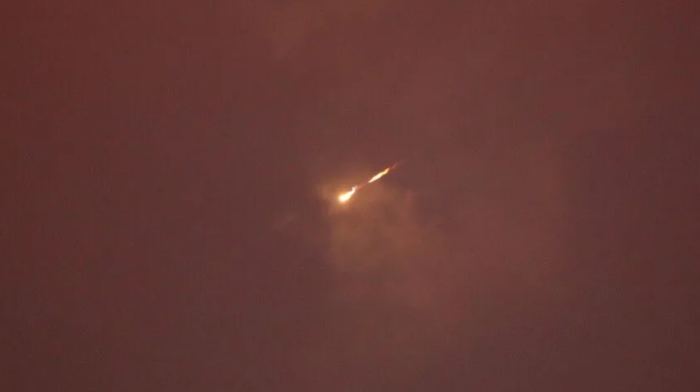
Saudi Arabia’s air defences have intercepted and destroyed a hostile drone over the Riyadh region, according to the Saudi-led coalition fight...
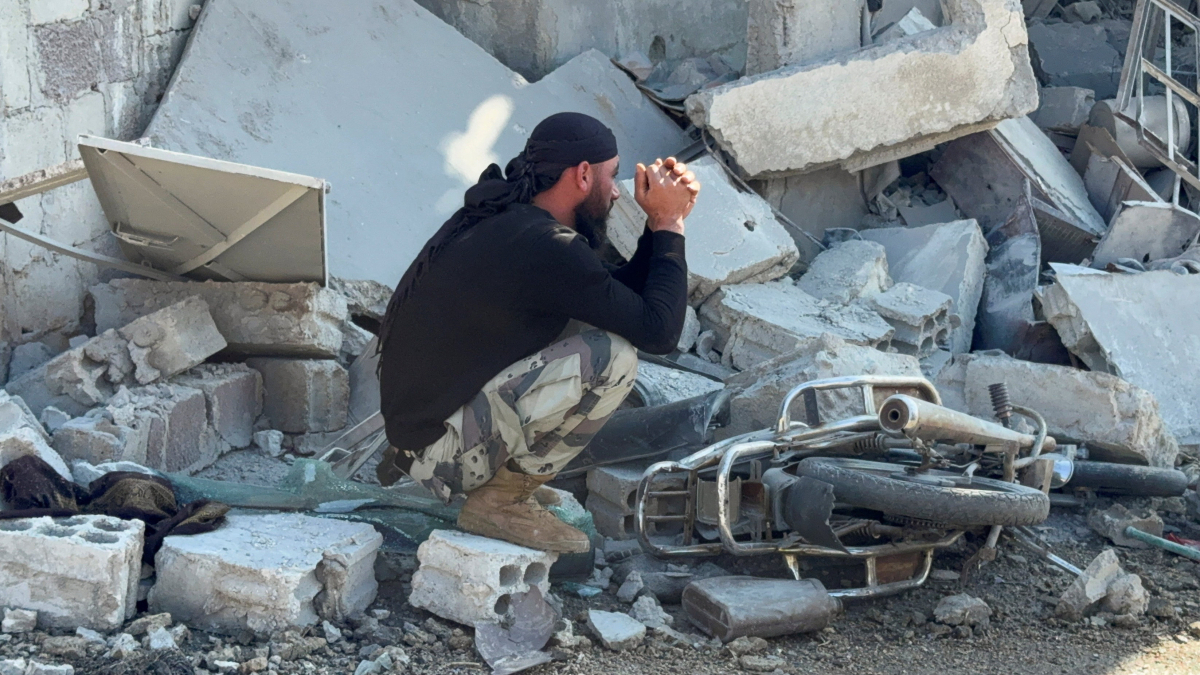
At least 13 people — including women and children — were killed, and many others wounded early Friday in an Israeli attack on the town of Beit Jinn and the road to Mazraat Beit Jinn in the Damascus countryside, according to Syrian media and local sources.
Many still trapped under rubble as death toll expected to rise, according to reports.
An Anadolu correspondent, citing local sources, reported that among the dead were two women and two children.
State‑run broadcaster Alikhbaria said that Israeli drones continued flying over the area after the strikes, particularly along the road linking Beit Jinn and Mazraat Beit Jinn. Many victims remain trapped under rubble as rescue efforts continue.
Emergency crews, including civil‑defence teams and ambulances from the Damascus countryside health directorate, entered the area to transport the dead and treat the wounded. Dozens of families reportedly fled toward nearby safer areas following the attack.
According to statements from the military of Israel, six of its soldiers were injured, three critically, during the operation. The army claimed to have detained members of Jamaa Islamiya, alleging they had been operating in the Beit Jinn area and had planned attacks against Israeli civilians.
However, the group denied involvement, condemning the air‑strikes on civilians and rejecting any link to the events in Beit Jinn. They affirmed that they carry out no activity outside their home country and condemned what they called “the insertion of its name into actions that have nothing to do with it.”
The attack has drawn widespread condemnation. The government of Syria described the raid as a “criminal assault” and a “full‑blown war crime.” Several Arab foreign ministries and regional organisations denounced the incursion, calling on the international community to intervene and hold the aggressors accountable.
Since December 2024, when the regime of Bashar al-Assad collapsed, Israel has significantly expanded its military operations inside southern Syria, carrying out frequent airstrikes and incursions in regions including the Damascus countryside and the Golan Heights buffer zone. The strike on Beit Jinn is among the deadliest in recent months.
The U.S. has approved the sale of 500 Patriot PAC-3 missiles to Ukraine in a deal worth an estimated $2.1 billion, but Kyiv could face years of delays before receiving the weapons it urgently needs to defend against intensifying Russian attacks.
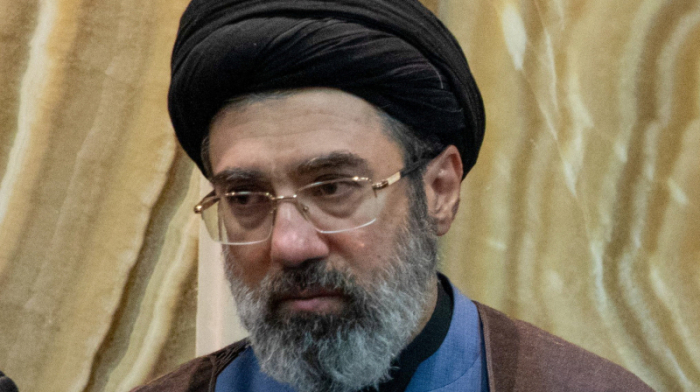
Iranian Supreme Leader Ayatollah Khamenei has ordered Iran's armed forces to respond to any threat immediately and without geographical limits in statements posted to social media platforms on Saturday (31 October).
Demonstrators carrying Iranian flags and placards supporting the hijab gathered outside the Azerbaijani Embassy in London.
A Chinese-made AI chip has matched Nvidia’s H200 in tests conducted by its developer, marking a potential breakthrough in China’s efforts to reduce its dependence on foreign technology.
A hacking group linked to North Korea is widely believed to be behind the theft of $6.3 billion from cryptocurrency giant Binance, a cyberattack that experts describe as the largest cryptocurrency heist on record.
Saudi Arabia’s air defences have intercepted and destroyed a hostile drone over the Riyadh region, according to the Saudi-led coalition fighting in Yemen. No casualties were reported.
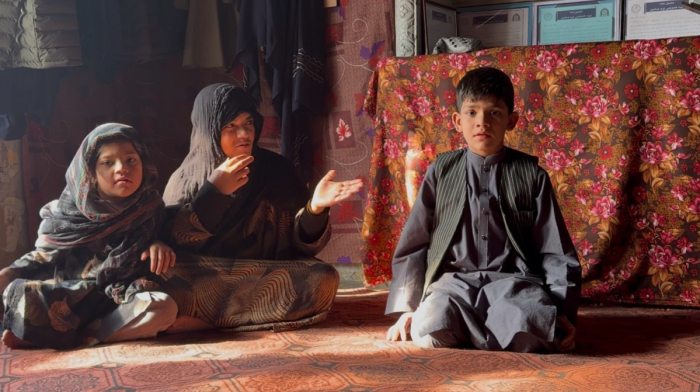
Since 2021, only 9 per cent of $8 billion in humanitarian aid for Afghanistan can be traced beyond initial recipients in public records, a Kabul Institute report released on 22 October said. The United Nations says its oversight systems ensure accountability.
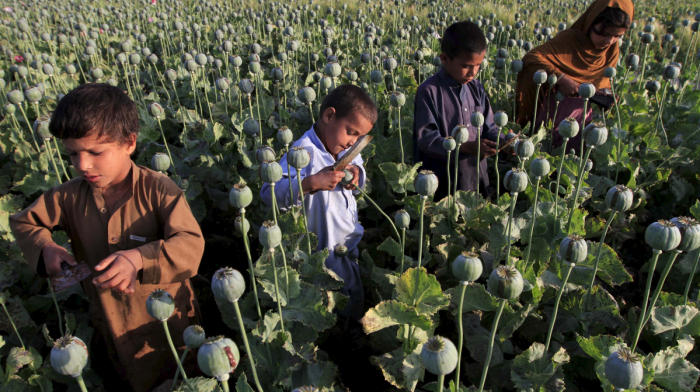
Opium poppy cultivation in Afghanistan surged by 330 per cent in 2026 despite a four-year ban, the United Nations said on Thursday. Afghan authorities disputed the findings, while Japan urged continued support for farmers seeking alternative livelihoods.
Demonstrators carrying Iranian flags and placards supporting the hijab gathered outside the Azerbaijani Embassy in London.
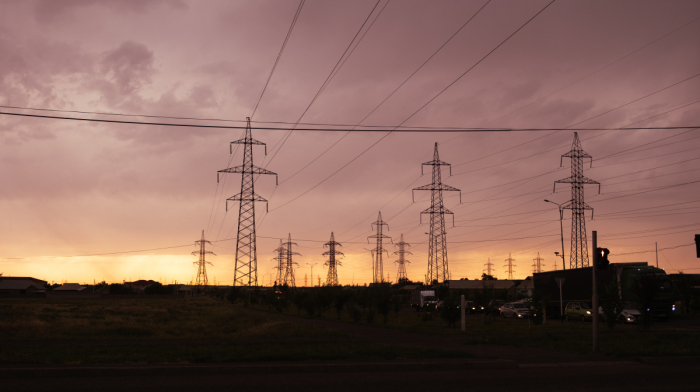
Central Asia could gain up to $640 million a year from closer energy cooperation, but strained electricity grids threaten to limit those gains, with Kazakhstan particularly exposed to regional power shortages and growing pressure on its network.
You can download the AnewZ application from Play Store and the App Store.
What is your opinion on this topic?
Leave the first comment