Greenland temperatures surge in warmest January on record
Greenland registered its warmest January on record, sharpening concerns over how fast-rising Arctic temperatures are reshaping core parts of the islan...
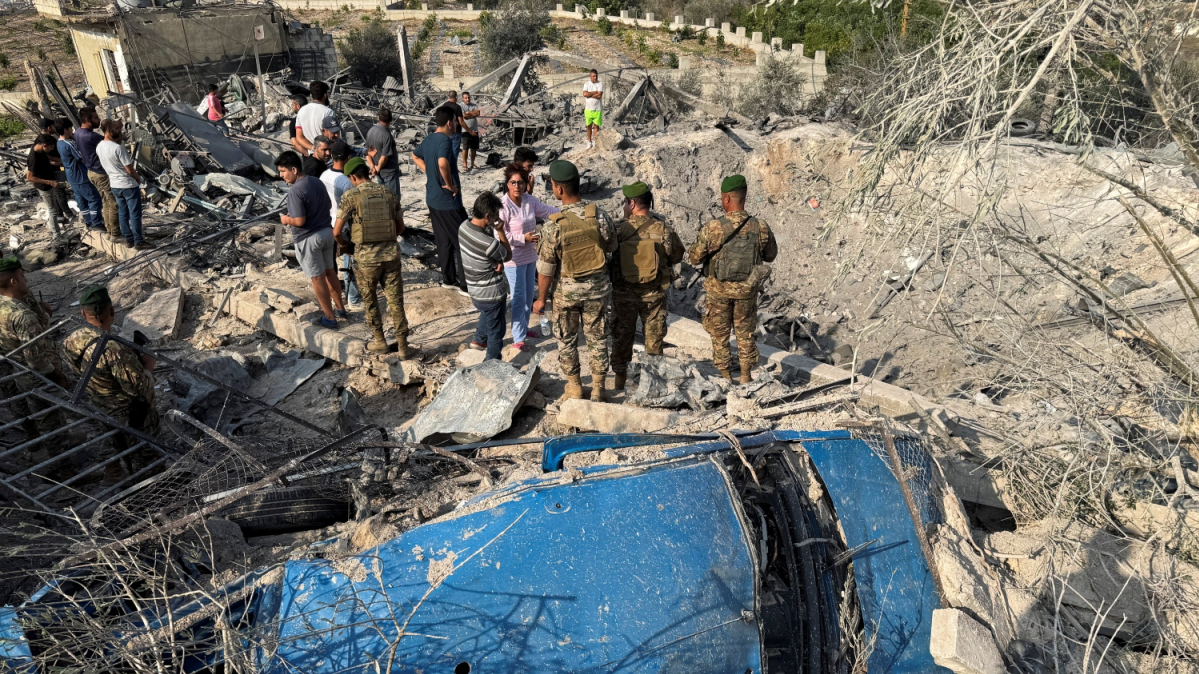
The Israeli military carried out heavy airstrikes on south Lebanon on Thursday after issuing evacuation orders for three locations, saying Lebanese armed group Hezbollah was trying to rebuild its military capabilities there.
The orders and strikes came despite a ceasefire deal agreed a year ago that was meant to end more than a year of fighting between Israel and Iran-backed Hezbollah, and after months of the Lebanese army clearing Hezbollah sites in the south.
There was no immediate toll provided by the Lebanese health ministry from the afternoon airstrikes. Earlier Israeli strikes on Thursday killed one person, according to the health ministry.
Israeli military spokesperson Avichay Adraee issued the evacuation orders on X at 3 p.m. local time (1300 GMT) on Thursday, with maps showing three buildings in the villages of Aita al-Jabal, Al-Tayyiba and Tayr Debba.
The post ordered residents to keep a 500-meter (1,650-foot) distance from those locations. Lebanon's civil defence helped people evacuate the areas, the Lebanese state news agency said.
The airstrikes began about an hour later, sending thick plumes of smoke into the sky. While Israel has carried out frequent strikes targeting what it says are Hezbollah military sites and group members present in south Lebanon over the last year, they have rarely come with evacuation orders.
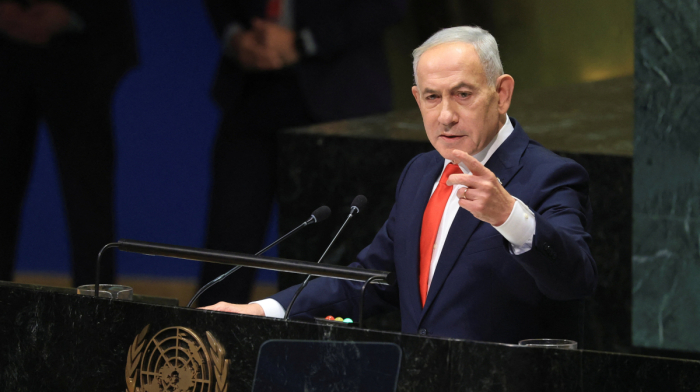
"Israel will continue to defend all of its borders, and we continue also to insist on the full enforcement of the ceasefire agreement between Lebanon and Israel," Israeli government spokesperson Shosh Bedrosian told reporters on Thursday.
Bedrosian said Israel will not allow Hezbollah to rearm or to recover the military strength that was shattered by Israel's ground and air war in 2023-24.
Hezbollah said on Thursday it was committed to the ceasefire, but that it retained a "legitimate right" to resist Israel. It has not fired on Israel since the truce deal came into force last year.
The evacuation warnings coincided with a meeting of Lebanon's cabinet to hear an update from army commander Rodolphe Haykal on progress in confiscating Hezbollah arms depots in south Lebanon.

Cuba’s Deputy Foreign Minister Carlos Fernández de Cossío has denied that Havana and Washington have entered formal negotiations, countering recent assertions by U.S. President Donald Trump, while saying the island is open to dialogue under certain conditions.
Talks with the U.S. should be pursued to secure national interests as long as "threats and unreasonable expectations" are avoided, President Masoud Pezeshkian posted on X on Tuesday (3 February).
Mexico said it will stop sending oil to Cuba as U.S. President Donald Trump ramped up pressure on the Caribbean nation.
Elon Musk’s rocket company SpaceX has acquired his artificial intelligence firm xAI, as the billionaire moves to bring more of his technology businesses under one structure.
Ukrainian President Volodymyr Zelenskyy accused Russia on Tuesday (3 February) of exploiting a U.S.-backed energy ceasefire to stockpile weapons and launch large-scale drone and missile attacks on Ukraine ahead of peace talks.
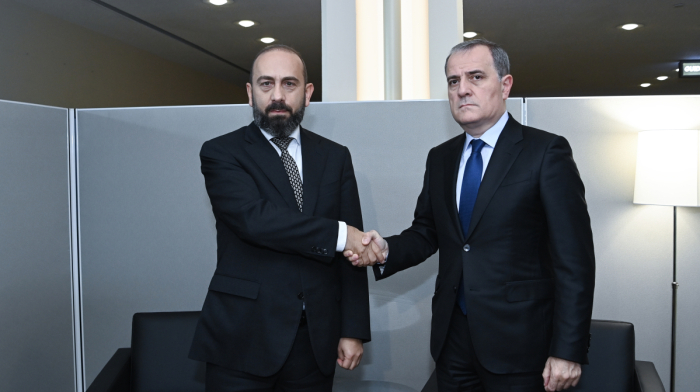
Another shipment of grain was sent to Armenia via transit through Azerbaijani territory on 4 February. The latest delivery consisted of eight wagons carrying 560 tonnes of grain dispatched from Azerbaijan to Armenia.
Azerbaijan and Armenia used a high-profile international platform in Abu Dhabi on Tuesday to underline growing trade ties, expanding cooperation and what both leaders described as an irreversible turn towards peace after decades of conflict.
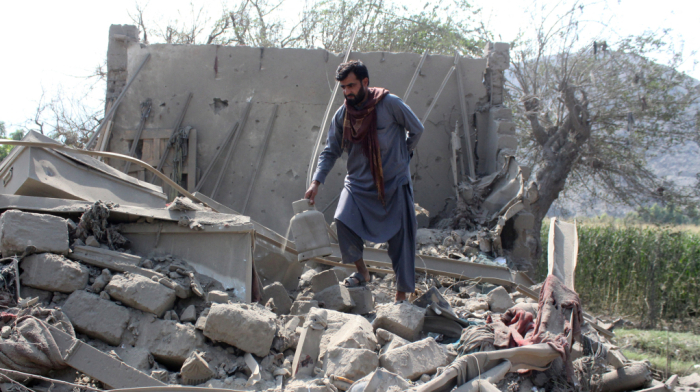
Afghan officials and international partners met in Kabul on Wednesday (4 February) for the fourth meeting of the Doha Process Working Group on Counter-Narcotics, with officials citing a reduction in poppy cultivation to “nearly zero” as efforts to curb drug production and trafficking were reviewed.
Uzbekistan is accelerating plans to expand uranium production and deepen international nuclear cooperation, positioning the sector as a pillar of long-term industrial growth and resource security.
Kazakhstan President Kassym-Jomart Tokayev is visiting Pakistan as both countries seek to expand trade and unlock new transport routes linking Central Asia to the Indian Ocean, despite ongoing security and infrastructure challenges.
You can download the AnewZ application from Play Store and the App Store.
What is your opinion on this topic?
Leave the first comment