Saudi Arabia intercepts drone over Riyadh amid rising Houthi attacks
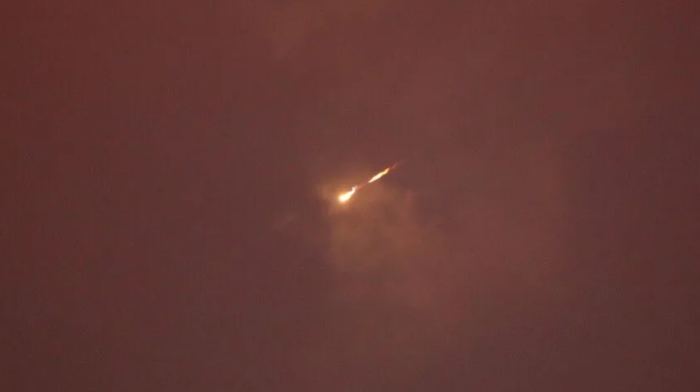
Saudi Arabia’s air defences have intercepted and destroyed a hostile drone over the Riyadh region, according to the Saudi-led coalition fight...
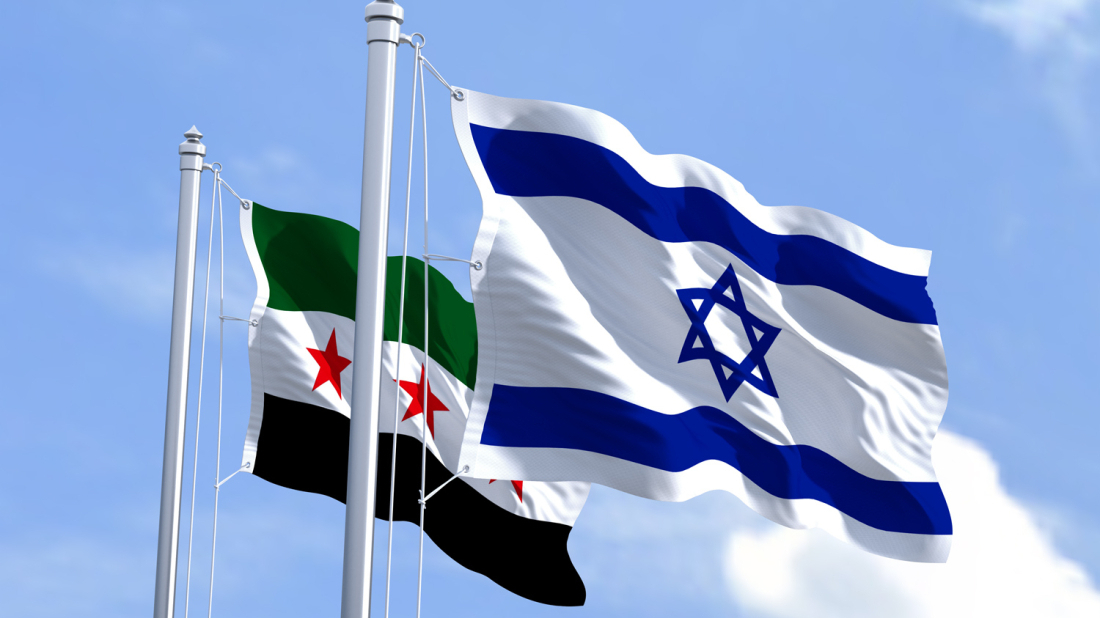
Israel and Syria are set to meet in Azerbaijan on Thursday for a new round of security talks, with discussions centred on an Israeli proposal for a buffer-zone agreement modelled on the 1979 peace treaty with Egypt, according to Sky News Arabia.
The talks in Baku follow reports by Axios that Israel has presented Damascus with a draft agreement involving security arrangements southwest of the Syrian capital.
According to informed sources, the proposal mirrors Israel’s peace deal with Egypt, which divided the Sinai Peninsula into three demilitarised zones. Israel has suggested that Syrian territory from Damascus to the Israeli border be divided into three areas with varying limits on troop deployments and weaponry.
The plan also calls for a two-kilometre expansion of the existing buffer zone on the Syrian side. In the strip adjacent to the Israeli border, Syrian forces would be barred from deploying heavy weapons or aircraft but could maintain police and internal security units. The entire southwest sector would become a no-fly zone for Syrian aircraft, sources said.
In return, Israel has offered a phased withdrawal from territories it occupied in Syria in recent months, though it insists on retaining its position on Mount Hermon. One source told Axios the proposal is also designed to preserve Israel’s ability to use Syrian airspace as a corridor for potential strikes against Iran.
Damascus has yet to issue a formal response but is preparing a counter-proposal, according to the reports. Syrian Foreign Minister Asad al-Sheibani and Israel’s Minister of Strategic Affairs Ron Dermer are expected to review the plan on Wednesday in London, alongside U.S. envoy Tom Barrack, at what would be their third trilateral session.
Axios further reported that Israeli Prime Minister Benjamin Netanyahu has signalled interest in meeting Syrian President Ahmad al-Sharaa during the Unted Nations General Assembly later this month, though officials say the chances of such a meeting remain slim.
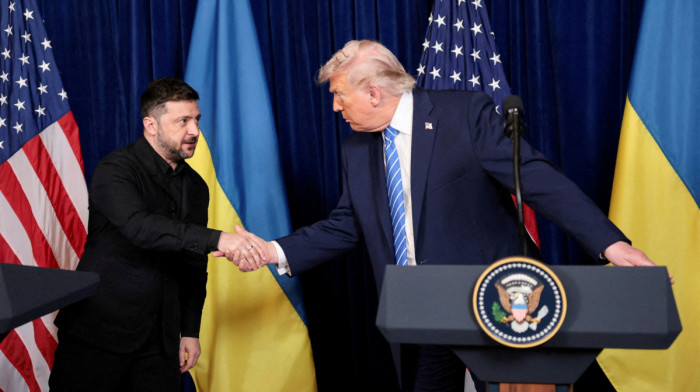
The U.S. has approved the sale of 500 Patriot PAC-3 missiles to Ukraine in a deal worth an estimated $2.1 billion, but Kyiv could face years of delays before receiving the weapons it urgently needs to defend against intensifying Russian attacks.
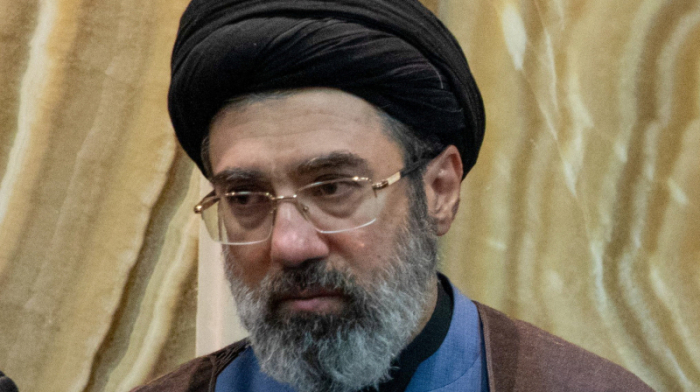
Iranian Supreme Leader Ayatollah Khamenei has ordered Iran's armed forces to respond to any threat immediately and without geographical limits in statements posted to social media platforms on Saturday (31 October).
A hacking group linked to North Korea is widely believed to be behind the theft of $6.3 billion from cryptocurrency giant Binance, a cyberattack that experts describe as the largest cryptocurrency heist on record.
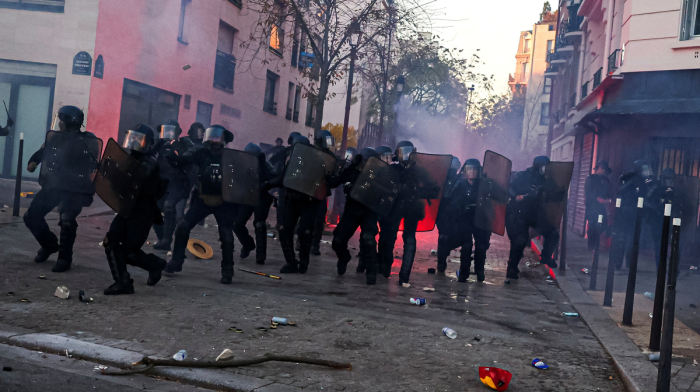
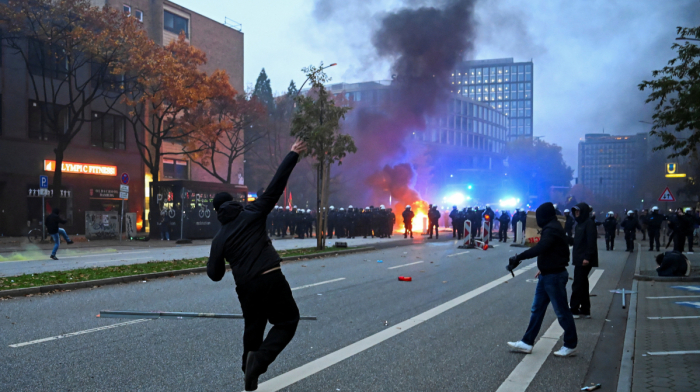
Gen Z protests swept 34 German cities on Saturday (31 October) over education and living costs. Violence erupted in Frankfurt, where shops were looted and police reported Molotov cocktail attacks.
A tenth-grade student was critically injured after a man attacked her with a chainsaw inside a classroom in Andhra Pradesh’s Anantapur district. The girl suffered severe injuries to her head, neck and back, while a classmate who tried to protect her was also hurt.
Saudi Arabia’s air defences have intercepted and destroyed a hostile drone over the Riyadh region, according to the Saudi-led coalition fighting in Yemen. No casualties were reported.
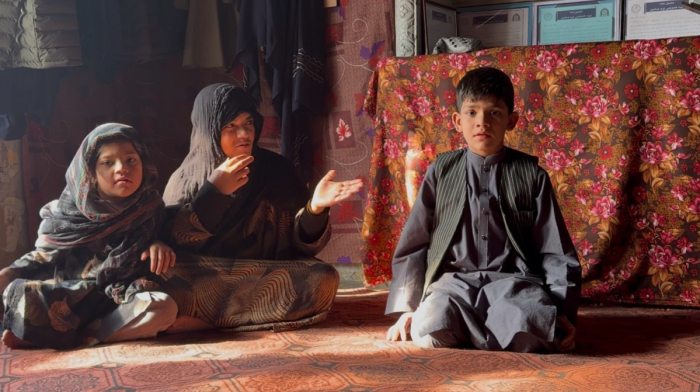
Since 2021, only 9 per cent of $8 billion in humanitarian aid for Afghanistan can be traced beyond initial recipients in public records, a Kabul Institute report released on 22 October said. The United Nations says its oversight systems ensure accountability.
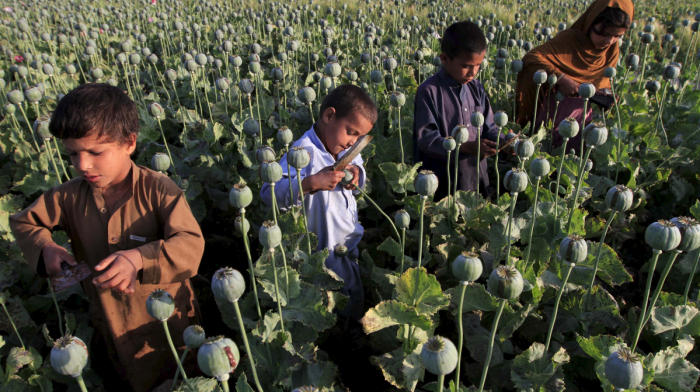
Opium poppy cultivation in Afghanistan surged by 330 per cent in 2026 despite a four-year ban, the United Nations said on Thursday. Afghan authorities disputed the findings, while Japan urged continued support for farmers seeking alternative livelihoods.
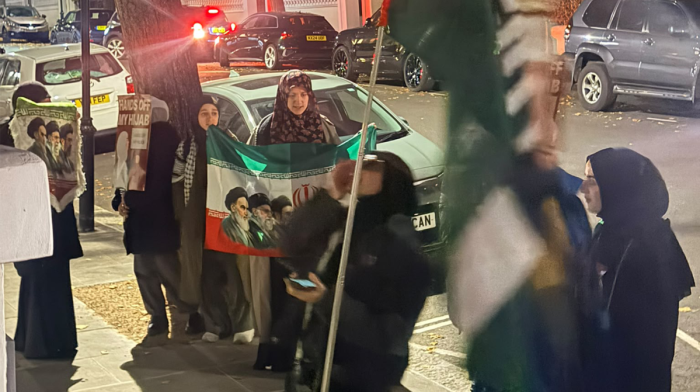
Demonstrators carrying Iranian flags and placards supporting the hijab gathered outside the Azerbaijani Embassy in London.
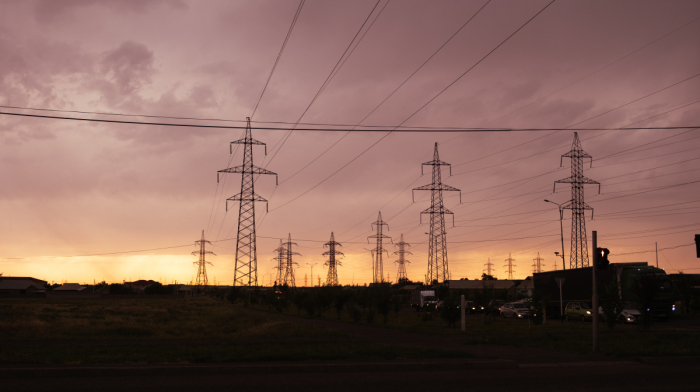
Central Asia could gain up to $640 million a year from closer energy cooperation, but strained electricity grids threaten to limit those gains, with Kazakhstan particularly exposed to regional power shortages and growing pressure on its network.
You can download the AnewZ application from Play Store and the App Store.
What is your opinion on this topic?
Leave the first comment