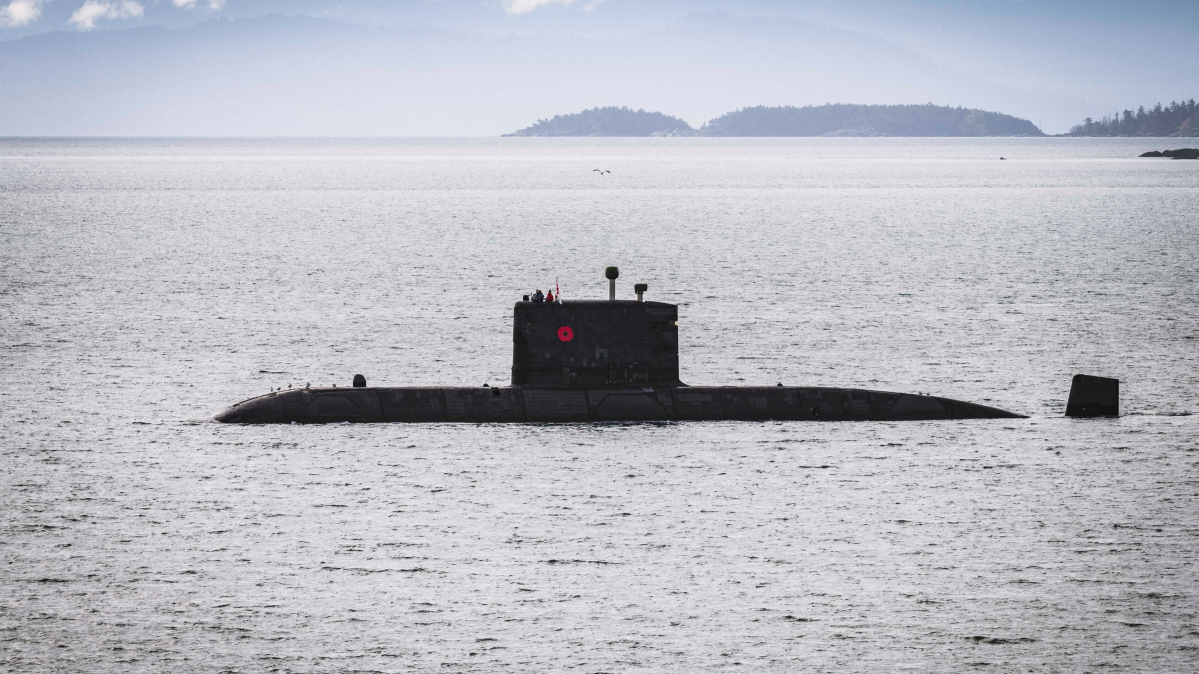
Iran has declared the Royal Canadian Navy a terrorist organisation in response to Canada’s decision to blacklist the Islamic Revolutionary Guard Corps, escalating already tense relations between the two countries.
Iran’s foreign ministry has announced a reciprocal measure against Canada by designating the Royal Canadian Navy as a terrorist organisation, following Ottawa’s move to list the Islamic Revolutionary Guard Corps as a terrorist entity under Canadian law.
In a statement dated 30 December, the ministry described Canada’s June 2024 listing of the IRGC as an illegal and politically motivated step that violates international law and the principles of state sovereignty. Tehran said the IRGC is an official branch of Iran’s armed forces and cannot legitimately be treated as a non state actor.
The statement said Iran was acting on the basis of a 2019 domestic law that mandates countermeasures against states which follow or support the United States in designating the IRGC as terrorist. Under that framework, the Royal Canadian Navy is now to be treated by Iran as a terrorist organisation, with the foreign ministry promising to apply reciprocal measures within that legal and political context.
Canada listed the IRGC in June 2024 under its Criminal Code, citing what officials described as the group’s record of supporting militant organisations, involvement in regional attacks and human rights abuses. The designation makes it a criminal offence in Canada to provide material support to the IRGC and allows authorities to freeze assets linked to the organisation.
Tehran rejected those accusations in its new statement, arguing that Ottawa’s measure was taken under U.S. pressure and framed it as another example of Western hostility towards the Islamic Republic. Iranian officials insisted that, in their view, the burden of responsibility lies with Canada for undermining the rights of Iranian citizens abroad and for what they called selective use of counterterrorism tools.
While Iran’s designation of the Royal Canadian Navy is largely symbolic, it signals a further deterioration in relations between the two countries, which have had no formal diplomatic ties since 2012. Analysts note that Iran has limited direct leverage over Canadian military assets, but the move could complicate any future consular contacts and add to tensions over issues such as human rights, sanctions enforcement and regional security.
The exchange of terrorist labels underscores how counterterrorism lists have become a tool in wider political confrontations. With both sides now accusing elements of the other’s security apparatus of terrorism, the gap between Tehran and Ottawa appears to be widening, leaving little immediate prospect for a reset in relations.











What is your opinion on this topic?
Leave the first comment