Israeli airstrike kills at least 10 near Gaza school, as fragile ceasefire falters
At least 10 people have died and several others were wounded after an Israeli airstrike on a neighbourhood outside a school sheltering displaced Pa...
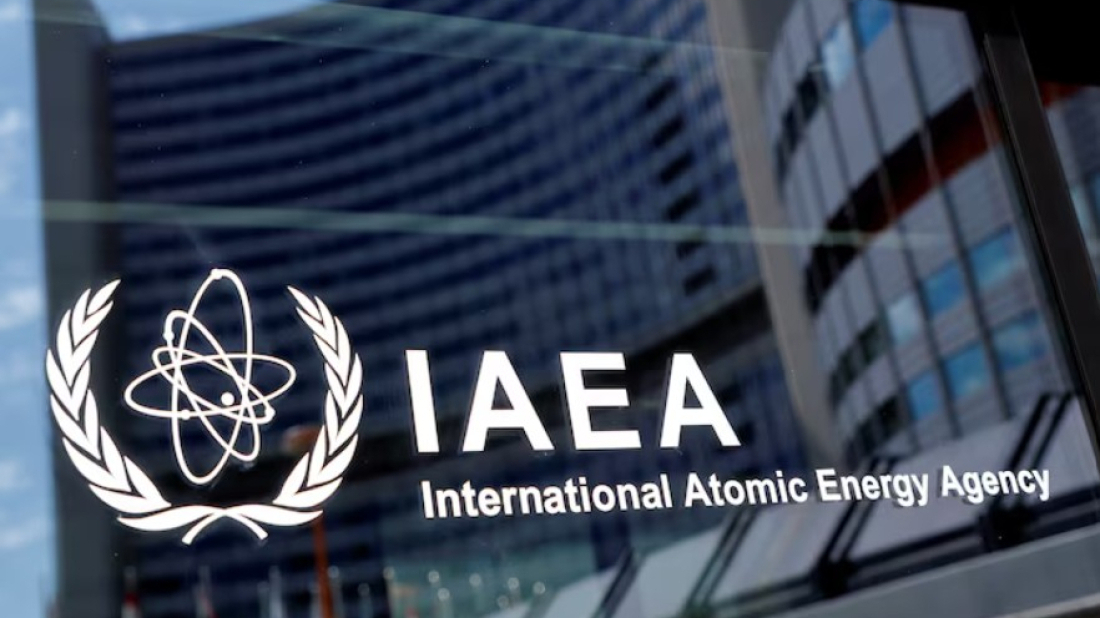
Iran’s Foreign Minister Abbas Araqchi said on Wednesday that his country cannot “completely cut our cooperation with the agency”, referring to the International Atomic Energy Agency (IAEA), even after parliament passed legislation suspending future inspections without security council approval.
“Inspectors must be there to get this work done,” Araqchi told state media, though he did not elaborate on how this would happen under the new constraints.
His comments follow the June conflict that saw Iranian nuclear sites bombed by Israel and the U.S. during a 12-day war, after which IAEA inspectors were blocked from access. The IAEA has insisted inspections are vital, with Director General Rafael Grossi repeatedly stating their importance to ensure transparency.
Iran’s parliament approved the new law after accusing the IAEA of fuelling the June strikes. Officials said a 31 May agency report led to the Board of Governors declaring Tehran in breach of its non-proliferation obligations, which Iran interpreted as justification for the attacks.
Under the new rules, any future access by IAEA personnel must be cleared by Iran’s Supreme National Security Council.
Despite this, Iran has signalled it will continue talks with the agency. A foreign ministry spokesperson said this week that a new round of negotiations is expected “in the coming days”.
On the subject of nuclear negotiations with Washington, Araqchi said talks “needed to reach maturity” before resuming. Talks were suspended following the joint Israeli-U.S. strikes in June, which had derailed what would have been the sixth round of discussions.
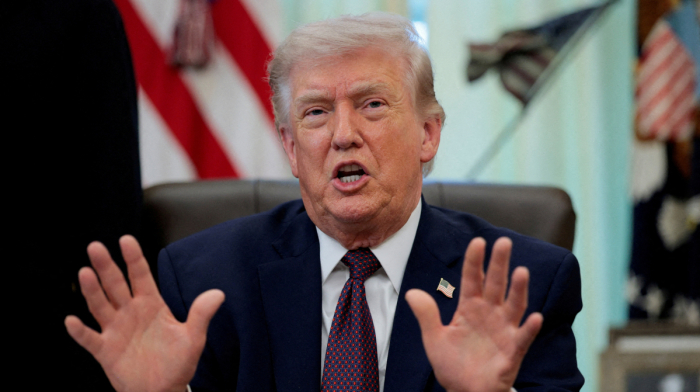
U.S. President Donald Trump on Monday told reporters that Iran could be taken out in one night, "and that night might be tomorrow night," warning Tehran it had to make a deal by Tuesday night or face wider bombing raids.
The crew of Artemis II mission are entering a pivotal phase of their journey, as they prepare to swing around the Moon and head back towards Earth. Now on the fifth day of their 10-day mission, the four astronauts are already witnessing views no human has ever seen.
U.S. President Donald Trump threatened Iran's energy and transport infrastructure in a social media post containing expletives on Sunday (5 April), as he seperately gave Iran a deadline of Tuesday to reopen the Strait of Hormuz.
A new proposal to end hostilities between the United States and Iran could come into effect as soon as Monday, potentially reopening the vital Strait of Hormuz, a source familiar with the plan said on Monday.
Oil prices rose sharply on Monday as fears deepened over potential supply shortages caused by the ongoing conflict in the Middle East, unsettling global energy markets and the row over the Strait of Hormuz, raising concerns for consumers and businesses alike.
At least 10 people have died and several others were wounded after an Israeli airstrike on a neighbourhood outside a school sheltering displaced Palestinians on Monday (7 April), according to health officials.
Turkish Foreign Minister Hakan Fidan on Monday met U.S. Ambassador to Türkiye Tom Barrack, Washington’s special envoy to Syria, diplomatic sources said. Earlier, Fidan spoke by phone with his Iranian counterpart, Abbas Araghchi.
The official visit of Azerbaijan President Ilham Aliyev to Georgia marks a significant moment in South Caucasus diplomacy, highlighting a deepening strategic partnership amid global uncertainty.
Russia and Tajikistan are discussing the construction of large-scale solar power plants with a total capacity of up to 500 megawatts. The initiative builds on a memorandum signed in 2025, with both sides now working on implementation details and potential locations for the facilities.
Azerbaijan and Georgia’s leaders met on Monday (6 April) to strengthen ties as the Middle Corridor emerges as a key Asia- Europe link. Talks focused on economic cooperation, infrastructure, and regional stability amid shifting global trade dynamics.
You can download the AnewZ application from Play Store and the App Store.
What is your opinion on this topic?
Leave the first comment