Saudi Arabia intercepts drone over Riyadh amid rising Houthi attacks
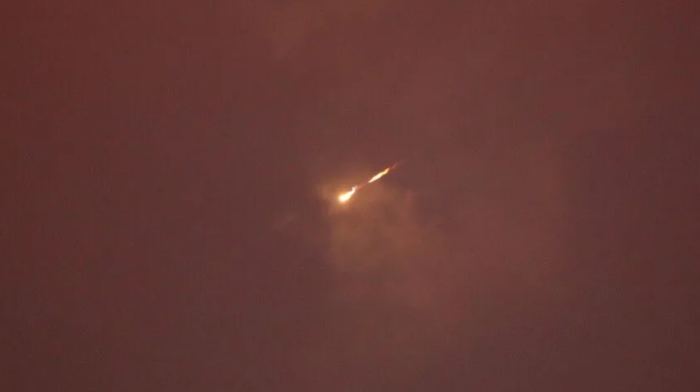
Saudi Arabia’s air defences have intercepted and destroyed a hostile drone over the Riyadh region, according to the Saudi-led coalition fight...
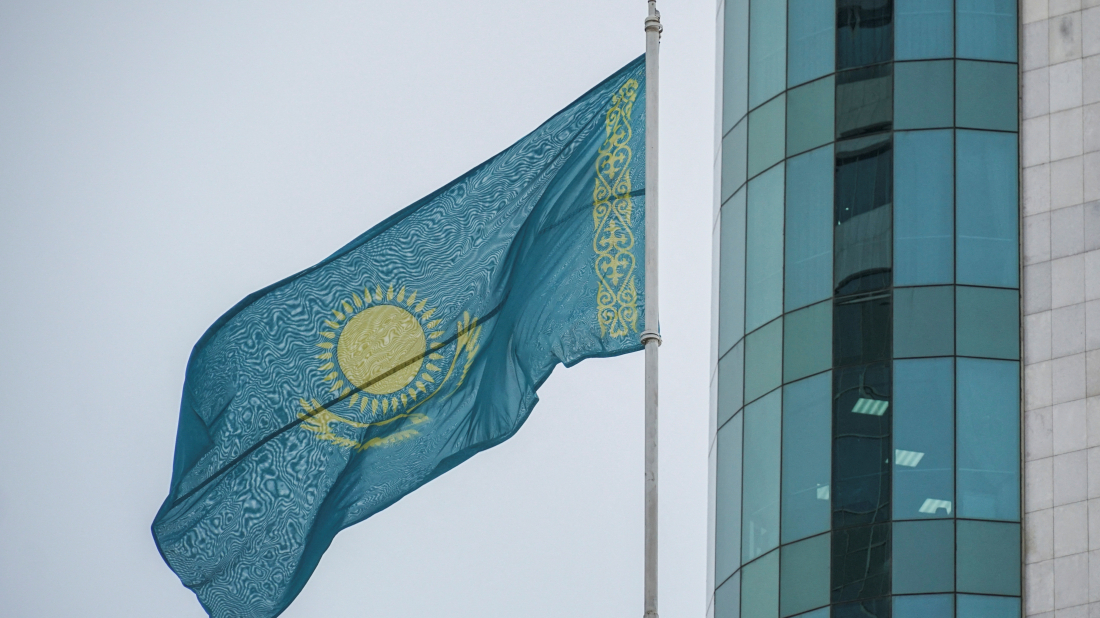
Kazakhstan and Tajikistan are strengthening their economic ties, with both countries aiming to boost trade to $2 billion.
Kazakhstan and Tajikistan are strengthening their economic ties, with trade between the two nations increasing by 7.4% last year, reaching $1.2 billion. Both countries aim to double this figure to $2 billion, focusing on key sectors such as agriculture, transit, digitalization, and energy cooperation.
During an official visit to Astana, Tajik Foreign Minister Sirojiddin Muhriddin met with Kazakh President Kassym-Jomart Tokayev, who underscored the strong and growing ties between the two countries. Tokayev highlighted their strategic partnership and noted that there are no unresolved issues between Kazakhstan and Tajikistan. The discussions focused on implementing previous agreements and exploring future cooperation in key areas such as trade, regional security, water and energy management, and economic development in Central Asia.
Muhriddin also held talks with Kazakhstan's Deputy Prime Minister and Foreign Minister, Murat Nurtleu, to discuss a wide range of bilateral matters, including political, economic, transport, and cultural issues.
Agriculture, which constitutes over 40% of the trade between the two nations, was identified as a key growth sector. Kazakhstan expressed its readiness to expand exports of wheat, flour, and confectionery products to Tajikistan under favorable terms.
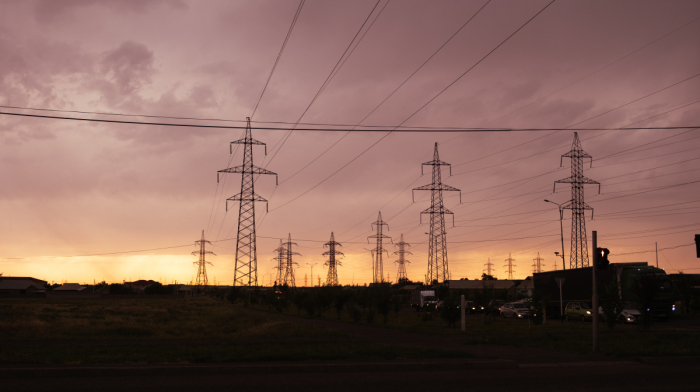
In a significant development, the two countries reached an agreement to sign a deal in the electric power sector. This deal will outline the terms for supplying electricity from Tajikistan’s Rogun Hydropower Plant to Kazakhstan. It was previously reported that Tajik electricity would be supplied only during planned shortages, and Kazakhstan will receive electricity at least until 2044.
Kazakhstan remains one of Tajikistan’s top three trading partners. Last year, during a meeting between the two countries' leaders in Dushanbe, they signed a treaty establishing allied relations, marking a new milestone in their bilateral ties.
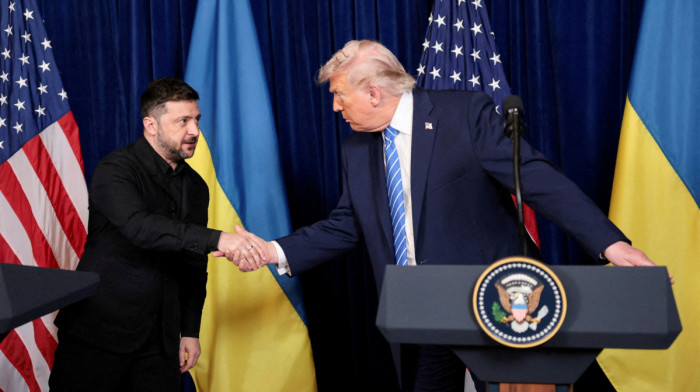
The U.S. has approved the sale of 500 Patriot PAC-3 missiles to Ukraine in a deal worth an estimated $2.1 billion, but Kyiv could face years of delays before receiving the weapons it urgently needs to defend against intensifying Russian attacks.
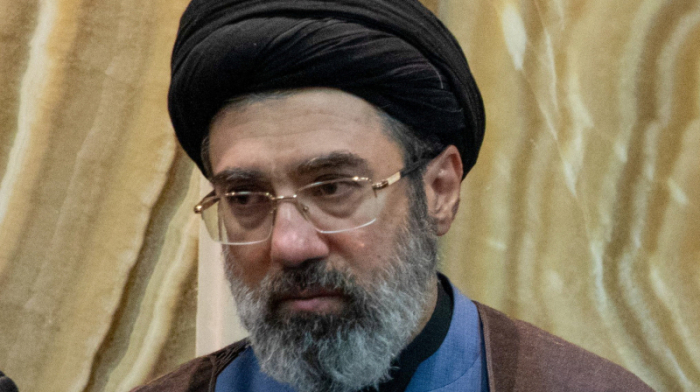
Iranian Supreme Leader Ayatollah Khamenei has ordered Iran's armed forces to respond to any threat immediately and without geographical limits in statements posted to social media platforms on Saturday (31 October).
Demonstrators carrying Iranian flags and placards supporting the hijab gathered outside the Azerbaijani Embassy in London.
A Chinese-made AI chip has matched Nvidia’s H200 in tests conducted by its developer, marking a potential breakthrough in China’s efforts to reduce its dependence on foreign technology.
A hacking group linked to North Korea is widely believed to be behind the theft of $6.3 billion from cryptocurrency giant Binance, a cyberattack that experts describe as the largest cryptocurrency heist on record.
Saudi Arabia’s air defences have intercepted and destroyed a hostile drone over the Riyadh region, according to the Saudi-led coalition fighting in Yemen. No casualties were reported.
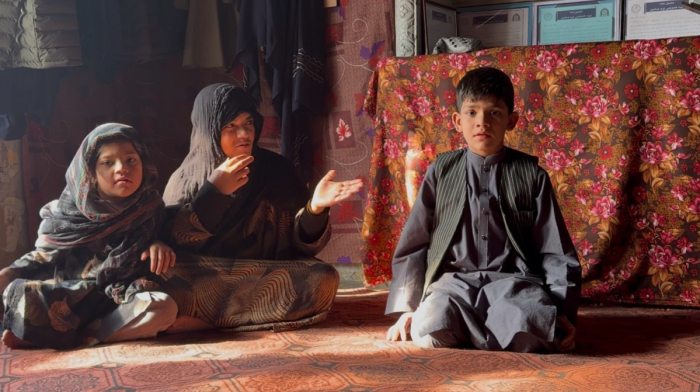
Since 2021, only 9 per cent of $8 billion in humanitarian aid for Afghanistan can be traced beyond initial recipients in public records, a Kabul Institute report released on 22 October said. The United Nations says its oversight systems ensure accountability.
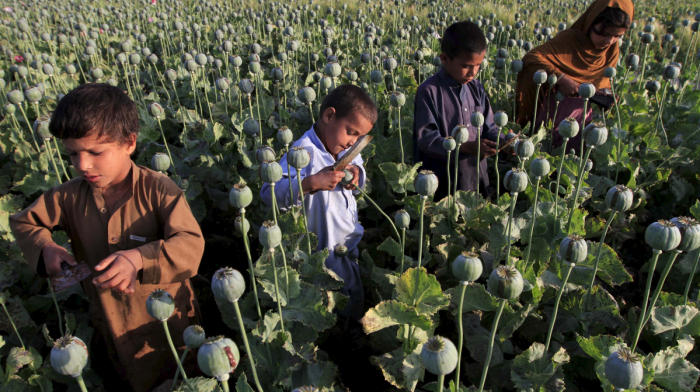
Opium poppy cultivation in Afghanistan surged by 330 per cent in 2026 despite a four-year ban, the United Nations said on Thursday. Afghan authorities disputed the findings, while Japan urged continued support for farmers seeking alternative livelihoods.
Demonstrators carrying Iranian flags and placards supporting the hijab gathered outside the Azerbaijani Embassy in London.
Central Asia could gain up to $640 million a year from closer energy cooperation, but strained electricity grids threaten to limit those gains, with Kazakhstan particularly exposed to regional power shortages and growing pressure on its network.
You can download the AnewZ application from Play Store and the App Store.
What is your opinion on this topic?
Leave the first comment