The authorities of Kyrgyzstan and Tajikistan will resettle their citizens as part of the resolution of the border issue.
Kyrgyzstan and Tajikistan have reached a significant agreement to resolve long-standing border issues, with both countries agreeing to resettle citizens as part of the process. The announcement was made by Kyrgyz President Sadyr Japarov during an interview with the Kabar state news agency.
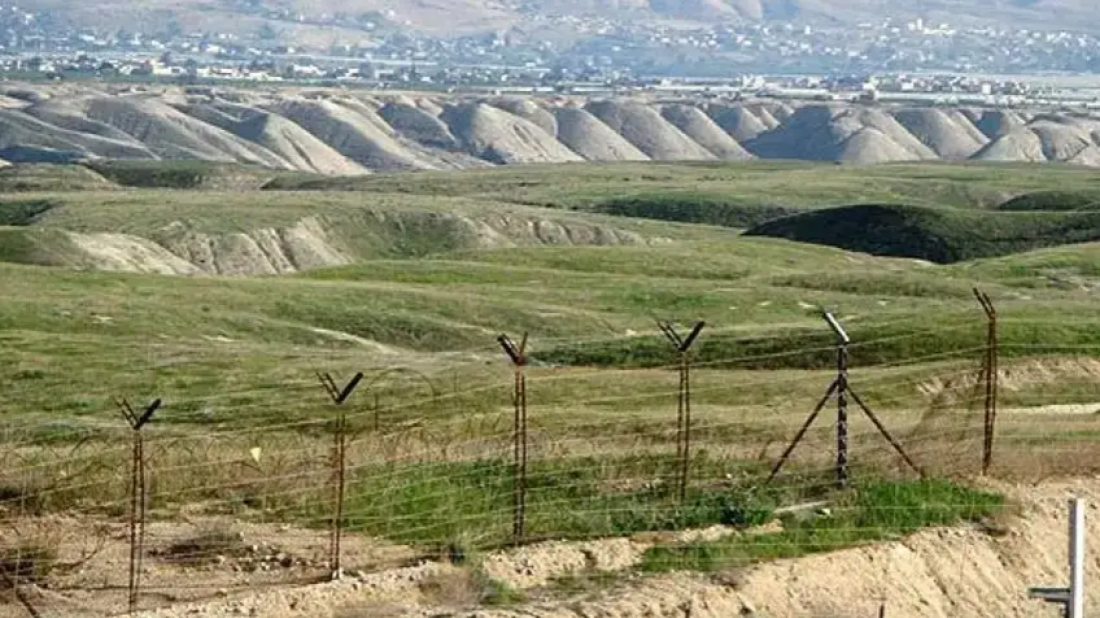
In his comments, Japarov explained that the agreements were made with meticulous attention to every meter of land along the 972-kilometer border. Under the deal, Tajik citizens whose homes are located on the Kyrgyz side will be relocated. Similarly, Kyrgyz citizens living on the Tajik side will be resettled within Kyrgyzstan, with new homes constructed based on the land sizes.
President Japarov outlined the steps involved in finalizing the agreement, stating that once the border documentation work is completed, intergovernmental commissions will sign the agreement, followed by the foreign ministers of both countries. The final document will then be ratified by the parliaments of Kyrgyzstan and Tajikistan, and ultimately signed by both presidents.
The agreement covers the 972-kilometer-long shared border, which has long been a source of tension. In the past, unresolved border issues have led to deadly clashes, including large-scale violence in April-May 2021 and again in September 2022, which resulted in numerous casualties on both sides.
The new border settlement agreement aims to prevent further conflicts and promote stability between the two Central Asian neighbors, contributing to the long-term peace and security of the region.
Both Kyrgyzstan and Tajikistan are now preparing to finalize and legally register the border's design line, marking an important step in solidifying their bilateral relations.












What is your opinion on this topic?
Leave the first comment