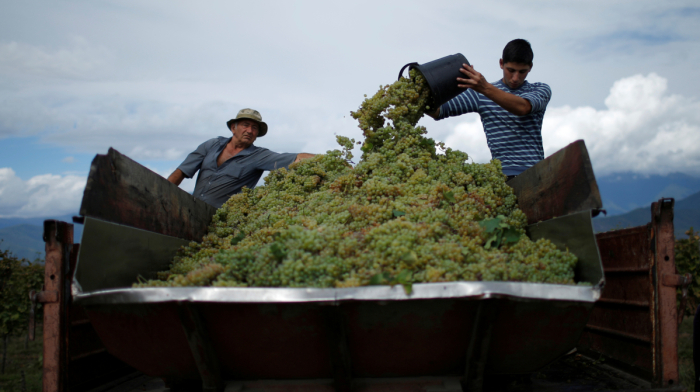
Foreign investors may face stricter limits on accessing agricultural land in Uzbekistan under proposed reforms aimed at strengthening national control and improving land-use efficiency.
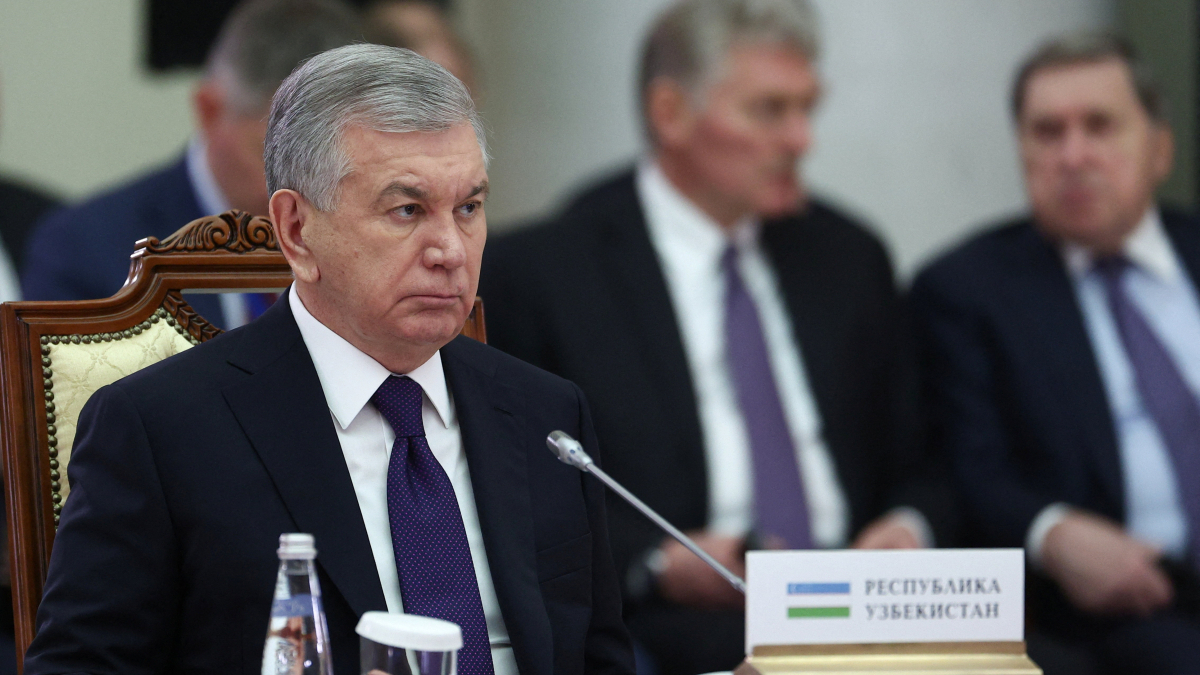
The measures were presented to President Shavkat Mirziyoyev during a review of ongoing land reform initiatives.
Revised access rules for foreign investors
Under the proposed changes, foreign investors will no longer be able to participate directly in auctions for agricultural land. Instead, access will be granted only through a secondary lease mechanism administered by regional authorities and limited to projects with a minimum investment of $10 million.
The reforms also stipulate that only local farmers and entrepreneurs will be eligible to take part in agricultural land auctions. In addition, certain categories of land - including defence, border, forest and historical-cultural areas - will be reserved for Uzbek citizens.
A unified lease period of up to 49 years is also proposed for all types of land, including for foreign investors involved in industrial and construction projects.
Part of broader land reform strategy
The restrictions form part of a wider effort to modernise Uzbekistan’s land management system. Over the past five years, more than 616,000 hectares of land have been allocated through auctions, generating 1.4 trillion soums (around $112 million) in budget revenues.
Officials report that the introduction of market-based allocation has tripled income per hectare, reaching up to 50–60 million soums ($4,000–$4,800).
At the same time, challenges remain. Around 117,000 hectares of land have yet to be allocated, while concerns persist over limited autonomy for land users and inefficiencies in current administrative processes.
To address these issues, authorities plan to auction an additional 100,000 hectares in 2026 under updated conditions, with stronger economic incentives for effective land use.
Digitalisation and lease extension reforms
The government is also proposing to digitalise land administration processes, including lease extensions. Nearly 100,000 hectares of land are approaching the end of their lease terms, prompting calls for a more transparent and streamlined renewal system.
Under the new approach, lease extensions would be processed through public service centres and electronic platforms, with integration between cadastral, agricultural and justice databases.
Agricultural land leases could be extended for up to 30 years and non-agricultural land for up to 49 years, provided there are no tax arrears, legal disputes or cases of illegal construction.
Balancing investment and national interests
Officials emphasised that while Uzbekistan continues to adopt international best practice and attract foreign investment, safeguarding national interests remains a priority.
The new framework seeks to strike a balance between opening the sector to investment and ensuring that land resources remain under effective domestic control.
The reforms also aim to expand the use of land lease rights as financial instruments, including their use as collateral, while strengthening oversight and accountability in land use.













What is your opinion on this topic?
Leave the first comment