Uzbekistan is preparing a national roadmap and long-term strategy for nuclear medicine development as authorities seek to modernise oncology diagnostics and expand access to advanced treatment technologies, the Atomic Energy Agency under the Cabinet of Ministers (Uzatom) said.
The announcement follows talks with Russia's Rosatom division of the State Atomic Energy Corporation.
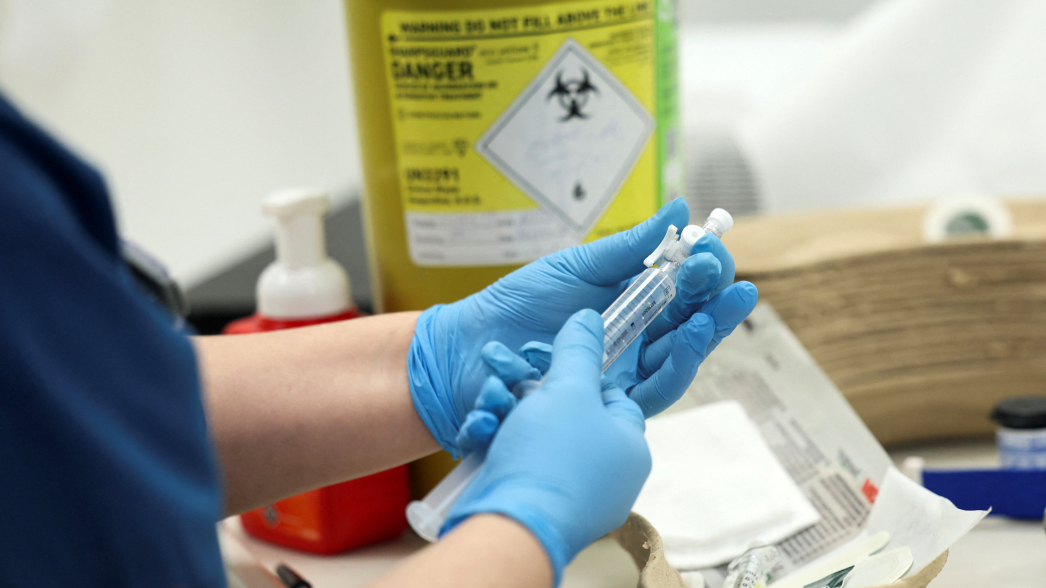
The initiative was discussed during a working meeting led by Uzatom Director Azim Akhmedkhadjaev with representatives of Rosatom, where both sides explored cooperation in building modern nuclear medicine infrastructure, including cyclotron complexes, radiopharmaceutical production and PET/CT diagnostic centres.
Officials said the future roadmap will define priorities for technology transfer, specialist training and the gradual development of the sector across the country.
New stage for nuclear medicine
Uzatom noted that the strategy will serve as a framework for introducing advanced medical technologies aimed at improving early cancer detection and treatment outcomes.
The planned Nuclear Medicine Centre in Tashkent is expected to become a key hub for diagnostics, allowing doctors to identify oncological diseases at earlier stages through high-precision imaging and targeted therapies.
The project, launched in October 2025, is designed to screen up to 8,000 patients annually once fully operational.
Authorities say the initiative forms part of broader efforts to modernise healthcare services and reduce the burden of non-communicable diseases.
Equipment and technology rollout
In 2026, the centre is scheduled to receive a range of specialised equipment, including positron emission tomography/computed tomography (PET/CT) systems, a cyclotron for producing medical isotopes and a radiopharmaceutical laboratory.
Plans also include the installation of high-precision treatment technologies such as the Gamma Knife and CyberKnife, which are used for minimally invasive radiosurgery.
According to officials, cooperation with Rosatom will also focus on building local expertise.
The roadmap is expected to outline training programmes for medical specialists, engineers and radiopharmacists, alongside the development of regulatory standards aligned with international practice.
Healthcare and economic implications
Experts note that nuclear medicine plays a growing role in modern healthcare, combining imaging technologies with targeted treatment methods that reduce recovery times and improve survival rates.
Expanding such capabilities in Uzbekistan could lower the need for patients to seek specialised diagnostics abroad while supporting the country’s ambition to become a regional medical services hub.
Authorities have not yet disclosed a timeline for finalising the strategy, but further consultations with international partners are expected as the country continues to build capacity in advanced medical technologies.
International experience
International experience shows that investment in nuclear medicine has become a key priority for many healthcare systems seeking earlier diagnosis and more effective treatment of cancer and chronic diseases.
Countries such as the United States, France, Japan and South Korea have developed extensive networks of PET/CT centres and radiopharmaceutical production facilities, integrating nuclear technologies into routine medical care.
In recent years, emerging markets including the United Arab Emirates have also expanded nuclear medicine infrastructure through international partnerships and technology transfer.
Experts note that these projects not only improve survival rates through early detection but also reduce long-term healthcare costs by enabling more precise and personalised treatment.














What is your opinion on this topic?
Leave the first comment