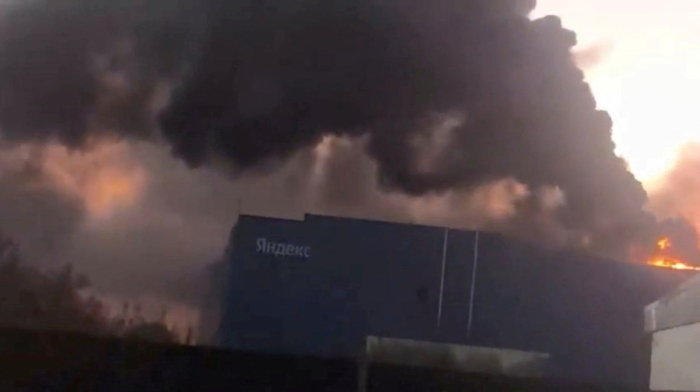
Moscow fuel queues add to pressure on Russia’s rouble
Fuel restrictions have returned to parts of Moscow and the surrounding region, adding another strain to Russia&...
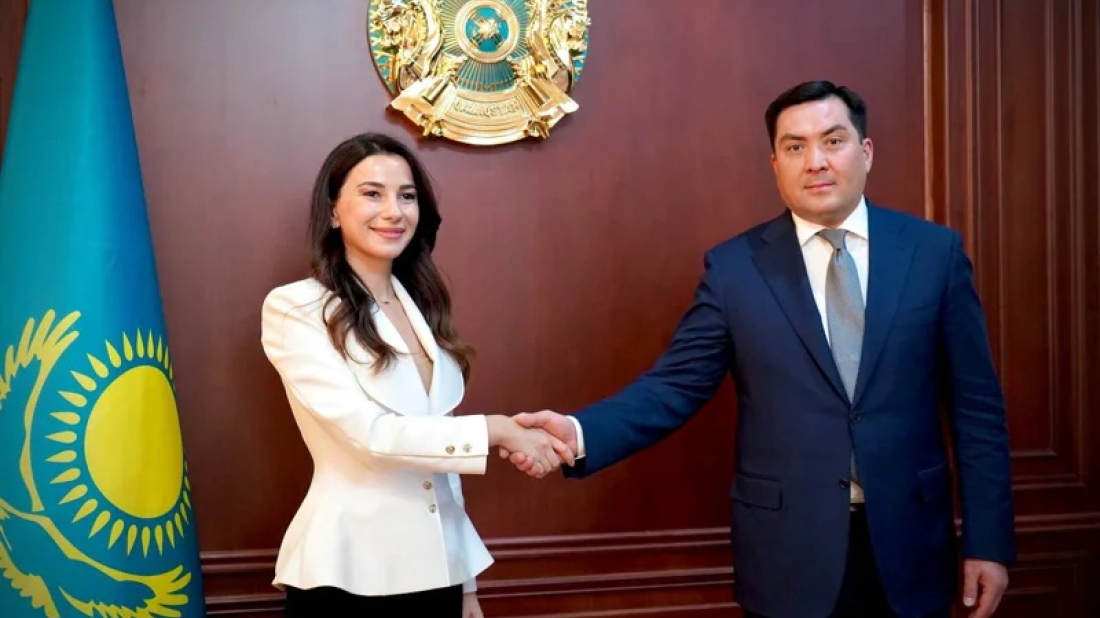
Kazakhstan plans to raise its oil exports through the Baku-Tbilisi-Ceyhan pipeline to 1.5 million tons this year, reinforcing energy and trade ties with Georgia as both countries explore deeper cooperation in logistics, agriculture, and green energy connectivity.
Kazakhstan will increase oil shipments through the Baku-Tbilisi-Ceyhan (BTC) pipeline by an additional 100,000 tons this year, bringing total exports via the route to 1.5 million tons. The announcement followed high-level meetings between Kazakh Energy Minister Yerlan Akkenzhenov and Georgian officials, including Economy Minister Mariam Kvrivishvili and Prime Minister Olzhas Bektenov. Akkenzhenov praised Georgia’s strategic role as a stable transit hub and highlighted the importance of infrastructure assets like the Batumi Seaport and Oil Terminal. The two sides also explored cooperation on green energy, aligning Kazakhstan’s Trans-Caspian Energy Corridor with Georgia’s Black Sea cable project to strengthen Central Asia–Europe connectivity. Talks further focused on boosting trade and enhancing the Trans-Caspian International Transport Route, with Kazakhstan proposing expanded exports of agricultural goods to Georgia.

The collective-defence agreement between Türkiye, Saudi Arabia and Pakistan signals that regional powers no longer want to rely solely on external security guarantees. Whether it becomes a stabilising deterrent or another axis of rivalry remains unresolved.
Shipping through the Strait of Hormuz has slowed, according to the latest data, as uncertainty over the waterway’s reopening kept most shipowners away. Six commodity vessels crossed the strait on Tuesday, down from nine the day before and below the 10-day daily average of 11.
Shipping traffic through the Strait of Hormuz remains limited on Thursday, with no increase in vessel crossings as U.S.-Iran talks to resolve the conflict remained stalled. Nine commodity vessels transited the key waterway on Wednesday, unchanged from the previous day, according to Kpler data.
Iran has said the Strait of Hormuz will remain closed until the U.S. fulfils the terms of an interim deal, including lifting the maritime blockade and sanctions and releasing Iran’s frozen assets.
Start your day informed with AnewZ Morning Brief. Here are the top news stories for the 19th of August, covering the latest developments.
Azerbaijan’s support for Ukraine could provide a model for neighbouring countries seeking to strengthen their sovereignty, the director of development at an organisation supporting Ukraine’s armed forces has told AnewZ.
Two days inside Uzbekistan’s newsrooms, hospitals, factories and technology hubs reveal a country eager to show how it is changing — while that transformation is still under way.
Syrian Foreign Minister Asaad al-Shaibani arrived in Islamabad on Wednesday for a two-day visit, marking the first trip by Syria’s top diplomat to Pakistan in 19 years as Damascus seeks to deepen ties with the country.
More than a year after Pakistan and India were involved in their most serious military confrontation in decades, a key airspace restriction between the nuclear-armed neighbours remains in force.
Uzbekistan has unveiled a sweeping package of business reforms, including easier access to loans, $1 billion in export support, a three-year moratorium on most inspections and stronger protections for entrepreneurs.
You can download the AnewZ application from Play Store and the App Store.
What is your opinion on this topic?
Leave the first comment