Kazakhstan vows to fast-track AZAL crash investigation amid rising diplomatic tensions
Kazakhstan has vowed to speed up its investigation into the Azerbaijan Airlines (AZAL) crash near Aktau, as mounti...
Kazakhstan is set to launch a large-scale industrial expansion in 2025, with the government committing $3 billion to implement 190 new projects nationwide. These initiatives are expected to create around 23 000 permanent jobs and boost long-term economic development.
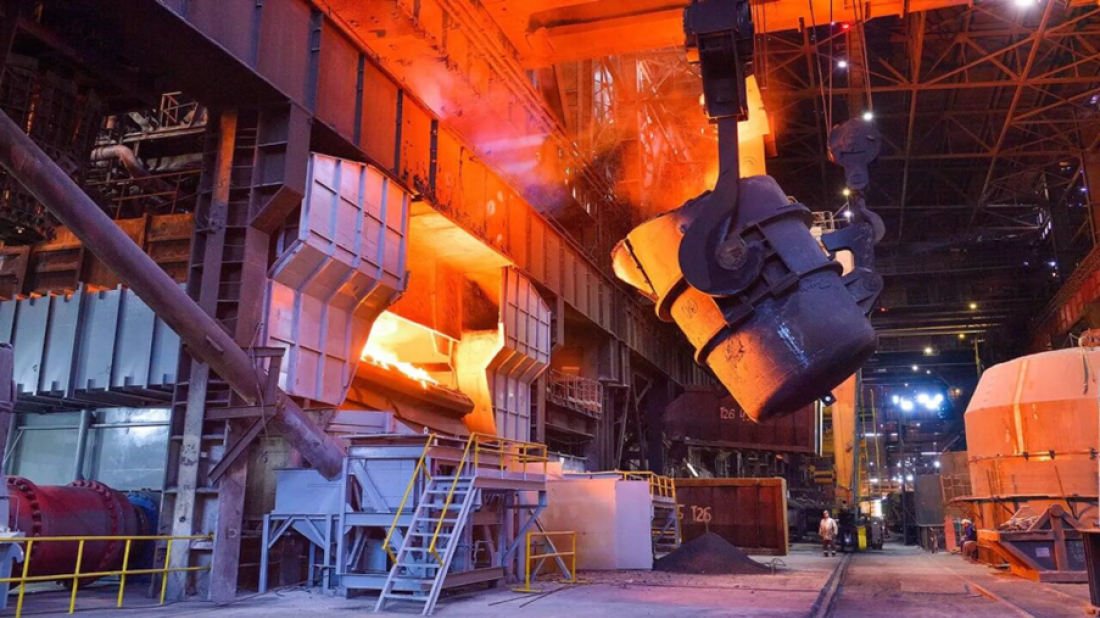
A major focus of the investment will be the mining and metallurgy sector - one of the country’s key economic drivers. Nearly $839 million will be allocated to building new production facilities across regions such as Karaganda, Turkistan, Akmola, Pavlodar, and Zhambyl. These facilities will manufacture a range of metal products, including copper, aluminum, and ferroalloys.
Looking ahead, Kazakhstan plans to double its copper ore production to 300 million tons by 2030, with new mining operations slated for Aidarli, Koksay, and Benkala. Iron ore output is also set to grow by 40%, reaching 52 million tons, supported by domestic processing and the launch of hot briquetted iron projects.
To increase the value of its industrial exports, the government is prioritizing deeper processing of raw materials. By 2025, copper refining is expected to double, aluminum processing will grow by 50%, lead production will more than double, and zinc output is projected to rise by 11%.
Metallurgy already accounts for 8% of Kazakhstan’s GDP, employs about 224 000 people, and produced over $14 billion worth of goods in 2023. Officials say the new investment wave will further accelerate the shift from exporting raw materials to producing high-value industrial goods.
Deputy Minister of Industry and Construction Olzhas Saparbekov emphasized that the strategy aims to modernize Kazakhstan’s industrial base and position it as a competitive, export-oriented economy.

The Kremlin is utilising the recent United States and Israeli military strikes on Iran to validate its ongoing war in Ukraine. Russian officials are pointing to the escalation in the Middle East as evidence that Western nations do not adhere to international rules.
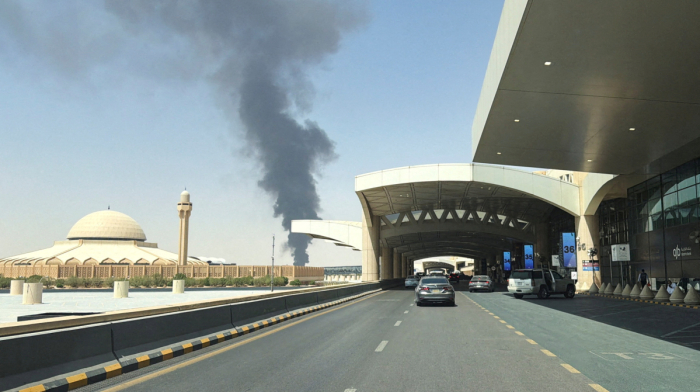
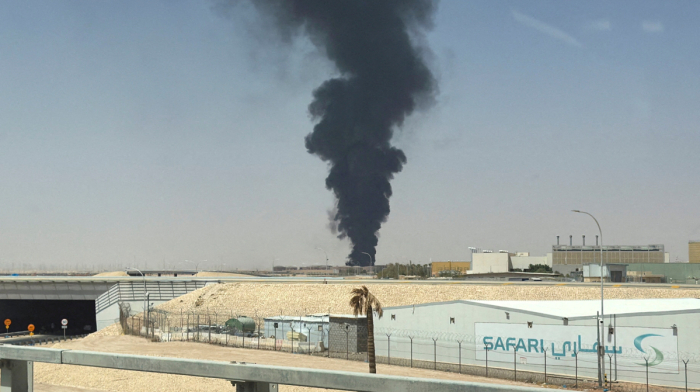
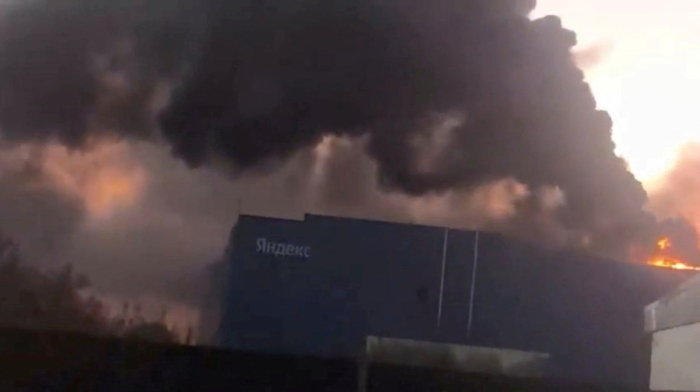
Saudi Arabia’s state oil giant Saudi Aramco closed its Ras Tanura refinery on Monday following an Iranian drone strike, an industry source told Reuters as Tehran retaliated across the Gulf after a U.S.-Israeli attack on Iranian targets over the weekend.
The Middle East crisis intensifies after the deadly attack on the compound of the Supreme Leader of Iran Ali Khamenei on Saturday that killed him, other family members and senior figures. Iran has launched retaliatory strikes on U.S. targets in the region.
U.S. President Donald Trump said the U.S. military has enough stockpiled weapons to fight wars "forever"; in a social media post late on Monday. The remarks came hours before conflict in Iran and the Middle East entered its fourth day.
Türkiye raised its security level for Turkish-flagged vessels in the Strait of Hormuz to Level 3 on Sunday (2 March). The development follows Iranian restrictions on shipping after U.S. and Israeli strikes and confirmation of Supreme Leader Ali Khamenei’s death.
Seven opposition parties in Georgia have formed a coordinated alliance ahead of upcoming elections, saying it aims to challenge the dominance of the ruling Georgian Dream party. The government has dismissed the move as a rebranding of familiar political figures.
Türkiye’s President, Recep Tayyip Erdoğan, has described the ongoing U.S.–Israeli military campaign against Iran as a “clear violation of international law”, in his strongest remarks yet on the escalating regional crisis.
U.S. President Donald Trump said the U.S. military has enough stockpiled weapons to fight wars "forever"; in a social media post late on Monday. The remarks came hours before conflict in Iran and the Middle East entered its fourth day.
Kazakhstan has vowed to speed up its investigation into the Azerbaijan Airlines (AZAL) crash near Aktau, as mounting diplomatic pressure and geopolitical tensions push the disaster further into the international spotlight.
Entrances to Iran's underground and previously bombed uranium-enrichment plant at Natanz have been struck as part of the U.S.-Israeli military attacks on the country, the United Nations nuclear watchdog, the International Atomic Energy Agency (IAEZ) confirmed on Tuesday (3 March).
You can download the AnewZ application from Play Store and the App Store.
What is your opinion on this topic?
Leave the first comment