U.S. Treasury to broaden scope of secondary sanctions on Iran
Only four commodity vessels crossed the Strait of Hormuz on Sunday, following 13 transits a day earlier, as disruptions continue to restrict traffi...
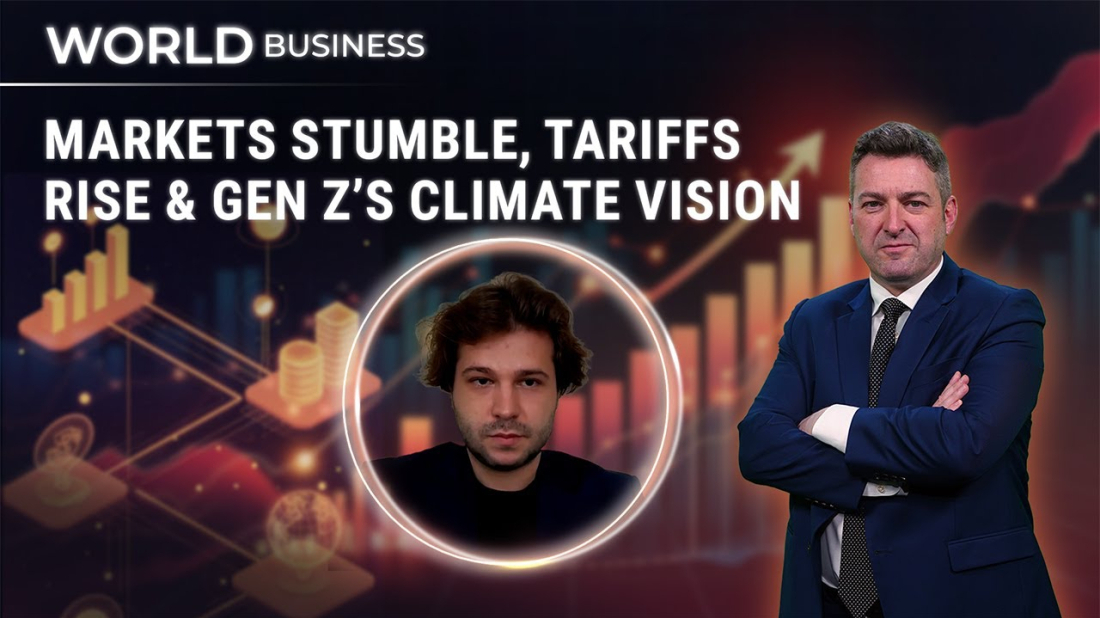
Tonight’s World Business Special takes a two-part look at the forces shaping our global economy and our shared future.
First, in The Week in Numbers, Nvidia forecasts a staggering $4 trillion in AI infrastructure spending by 2030, but investor confidence falters as concerns mount over China’s market. The US doubles tariffs on Indian exports to 50% amid disputes over Russian oil purchases. TikTok’s parent ByteDance values itself at $330 billion in a buyback deal, far below Meta’s $1.9 trillion. Keurig Dr Pepper secures an $18 billion acquisition of Dutch coffee company JDE Peet’s, challenging Nestlé’s dominance. Lego reports record $5.4 billion half-year sales thanks to blockbuster partnerships with Formula One and Jurassic Park.
Then, our feature interview shifts focus to the climate crisis. We speak with XClimate, a youth-led global platform using AI, climate science, and public health to build real-time resilience tools for vulnerable communities. Its founder shares how Gen Z innovation is driving accessible, human-centred solutions to climate challenges worldwide.
It’s a programme that captures both the week’s biggest economic headlines and the fresh voices shaping tomorrow’s climate resilience.

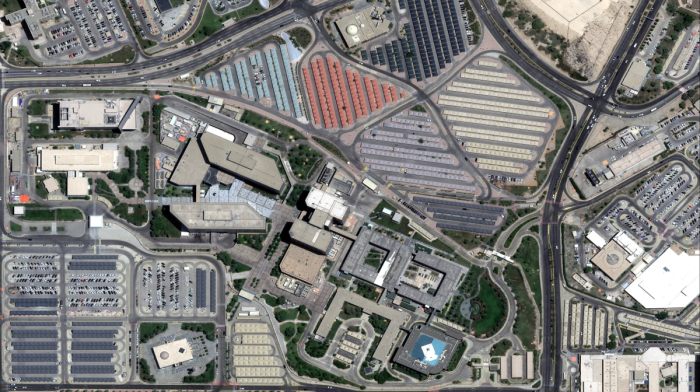
Iran on Saturday denounced U.S. plans to announce new sanctions that could put further strain on the Islamic Republic's economy and have an impact on its most important trading partners including China.
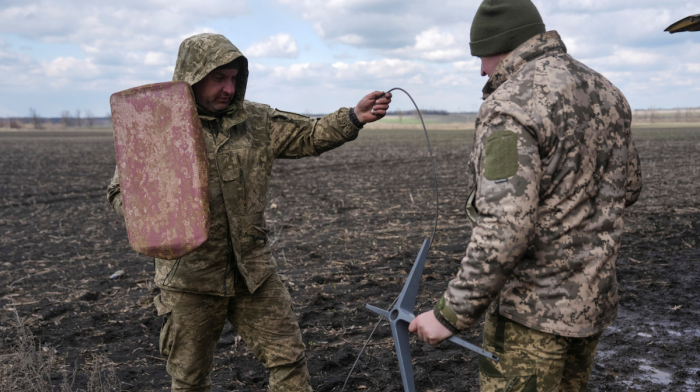
Ukraine’s President Volodymyr Zelenskyy said on Monday that Kyiv wants peace but will not surrender to Russia, as foreign leaders joined Independence Day events marking 35 years since Ukraine’s independence.
A newly created pro-government political party has secured a commanding victory in Kazakhstan's snap parliamentary election, according to exit polls, strengthening President Kassym-Jomart Tokayev's influence at a pivotal moment in the country's political transition.
Only four commodity vessels crossed the Strait of Hormuz on Sunday, following 13 transits a day earlier, as disruptions continue to restrict traffic through the key energy chokepoint.
Ukrainian President Volodymyr Zelenskyy has rejected calls for a wartime election, arguing that holding a vote while Russia's full-scale invasion continues would divide the country and undermine national unity.
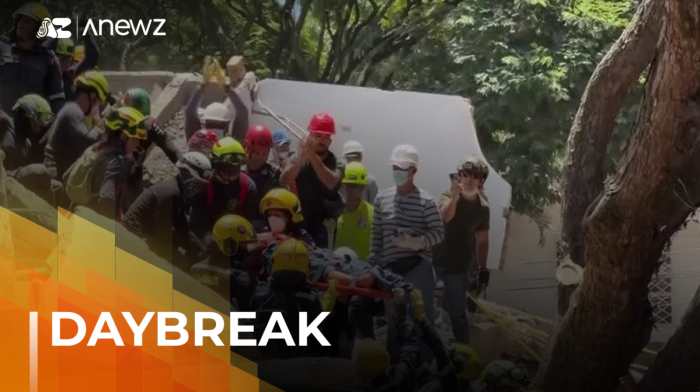
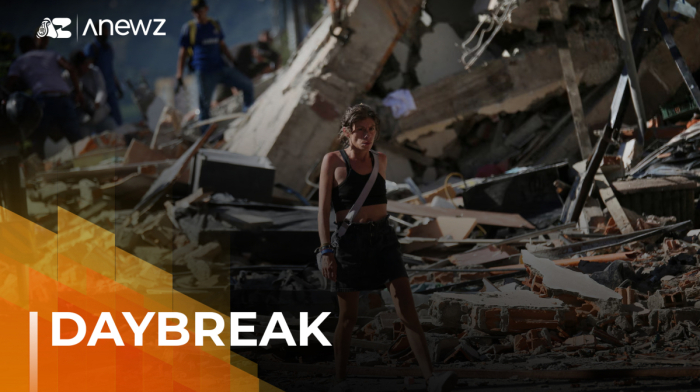
On 12 August, AnewZ’s Daybreak focused on the aftermath of Colombia’s devastating earthquake, tensions surrounding Iran and the Strait of Hormuz, growing Russia-North Korea military cooperation and security and environmental challenges across the Caspian and Black Sea regions.
On 11 August, AnewZ’s Daybreak examined U.S. President Donald Trump’s new demands for Iran, Russia-Iran cooperation and regional connectivity through the South Caucasus alongside key political, security and climate developments worldwide.
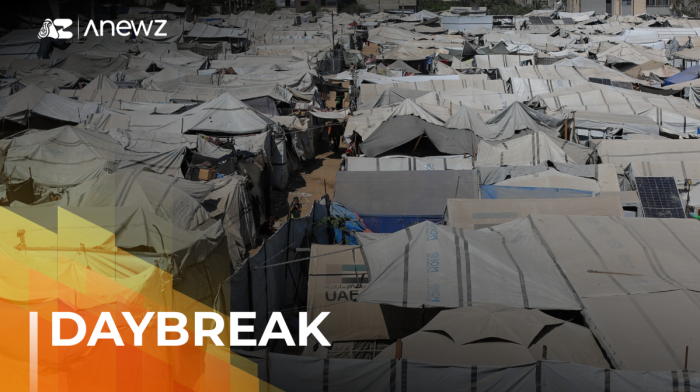
On 10 August, AnewZ’s Daybreak focused on developments in Gaza, Lebanon-Israel negotiations, Iran’s position on talks with Washington and the latest global security and climate-related challenges.
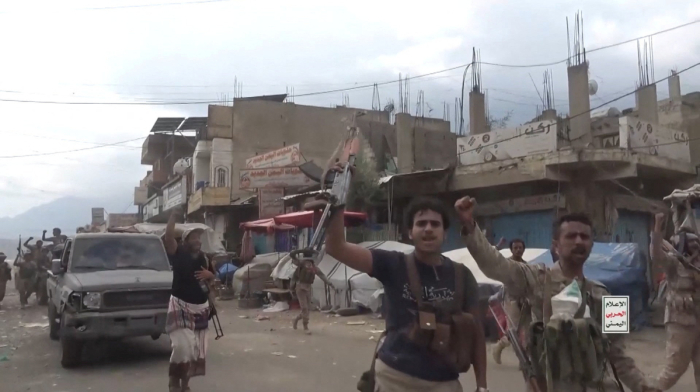
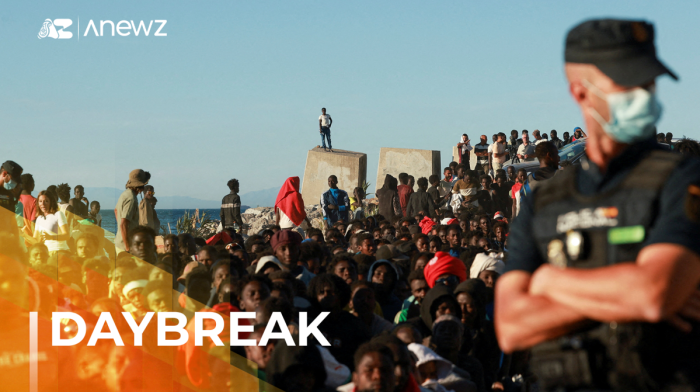
On 7 August, AnewZ's Daybreak focused on the Iran war, escalating violence in Yemen and a deadly migrant crisis in Spain's Ceuta enclave.
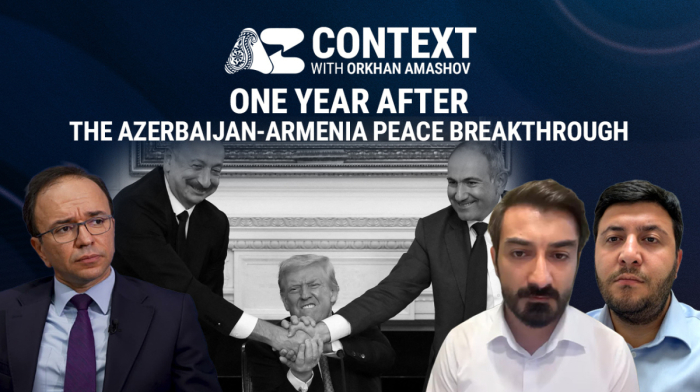
The 8 August commemorative edition of AnewZ's Context looked back on the year since the Washington breakthrough, examining how the initialling of the Azerbaijan-Armenia peace agreement and the launch of the Trump Route for International Peace and Prosperity have reshaped regional politics.
You can download the AnewZ application from Play Store and the App Store.
What is your opinion on this topic?
Leave the first comment