China is preparing to host the largest Shanghai Cooperation Organisation (SCO) summit in its history, with more than 20 heads of state set to gather in Tianjin from 31 August to 1 September.
President Xi Jinping will welcome Russian President Vladimir Putin, Indian Prime Minister Narendra Modi, Iranian President Masoud Pezeshkian, and United Nations Secretary-General António Guterres, in what Beijing is billing as a show of Global South solidarity.
The SCO, launched in 2001 by China, Russia and four Central Asian states, has nearly doubled in membership and now presents itself as a counterweight to Western-led alliances. The summit is expected to produce the 'Tianjin Declaration,' addressing counterterrorism, renewable energy, and digital cooperation, while also advancing discussions on a long-proposed SCO Development Bank.
For Modi, the trip marks his first visit to China in seven years, underscoring cautious re-engagement despite lingering border tensions. For Putin, it offers another chance to strengthen trilateral ties with Beijing and New Delhi, presenting Russia as anything but isolated.
With optics, symbolism, and strategic messaging at its heart, the Tianjin summit could reshape how the SCO is perceived—either as a genuine platform for multipolar leadership or primarily as a diplomatic stage for China and Russia.
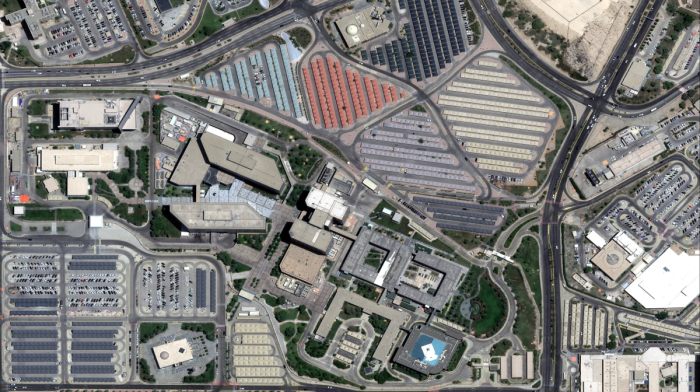
Yemen’s Houthis have claimed responsibility for the recent drone and missile strikes on Saudi Aramco facilities in Dhahran and Riyadh and at King Khalid International Airport in Saudi Arabia, vowing to carry out more attacks in the coming days.
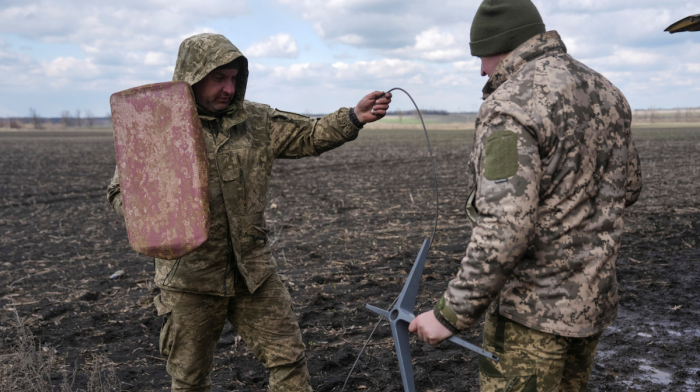
Ukraine's soldiers have had their access to Starlink satellite internet restricted. Kyiv's troops use the terminals, made by Elon Musk's SpaceX, to pilot drones. A source in Ukraine's Defence Ministry said the restrictions would make it harder for Kyiv's army to down Russian drones.
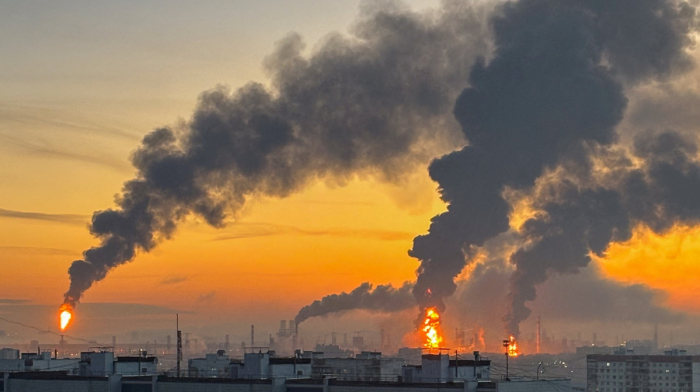
Ukraine is set to restart attacks on Russian oil refineries following a two-day pause, President Volodymyr Zelenskyy said, amid growing tensions with Washington over energy strikes and U.S. military support.
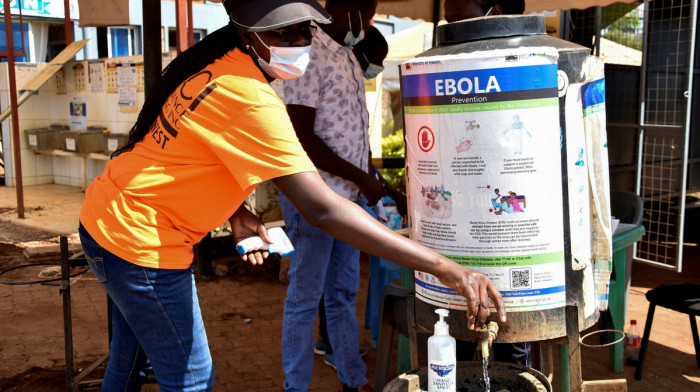
Kenya has confirmed a second case of Ebola, intensifying efforts to prevent the spread of the virus after the country recorded its first-ever infection earlier this month.
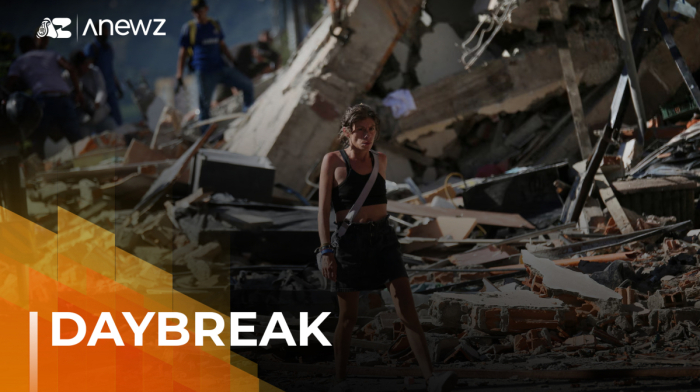
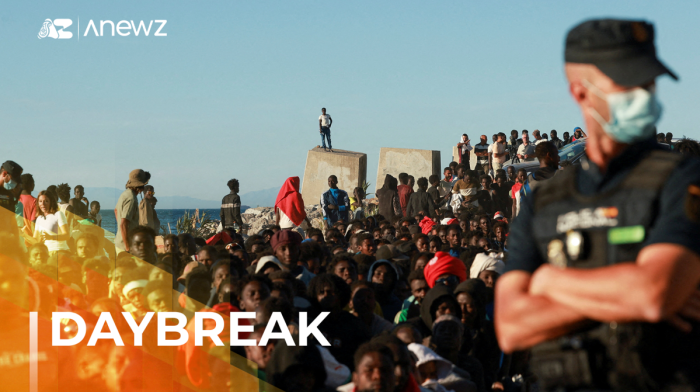
On 12 August, AnewZ’s Daybreak focused on the aftermath of Colombia’s devastating earthquake, tensions surrounding Iran and the Strait of Hormuz, growing Russia-North Korea military cooperation and security and environmental challenges across the Caspian and Black Sea regions.
On 11 August, AnewZ’s Daybreak examined U.S. President Donald Trump’s new demands for Iran, Russia-Iran cooperation and regional connectivity through the South Caucasus alongside key political, security and climate developments worldwide.
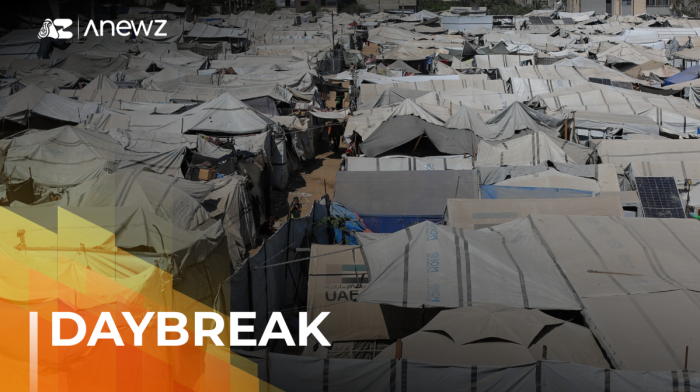
On 10 August, AnewZ’s Daybreak focused on developments in Gaza, Lebanon-Israel negotiations, Iran’s position on talks with Washington and the latest global security and climate-related challenges.
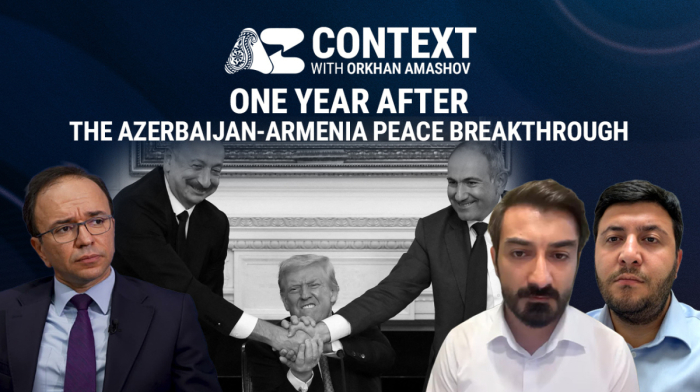
The 8 August commemorative edition of AnewZ's Context looked back on the year since the Washington breakthrough, examining how the initialling of the Azerbaijan-Armenia peace agreement and the launch of the Trump Route for International Peace and Prosperity have reshaped regional politics.
Download the AnewZ app
You can download the AnewZ application from Play Store and the App Store.














What is your opinion on this topic?
Leave the first comment