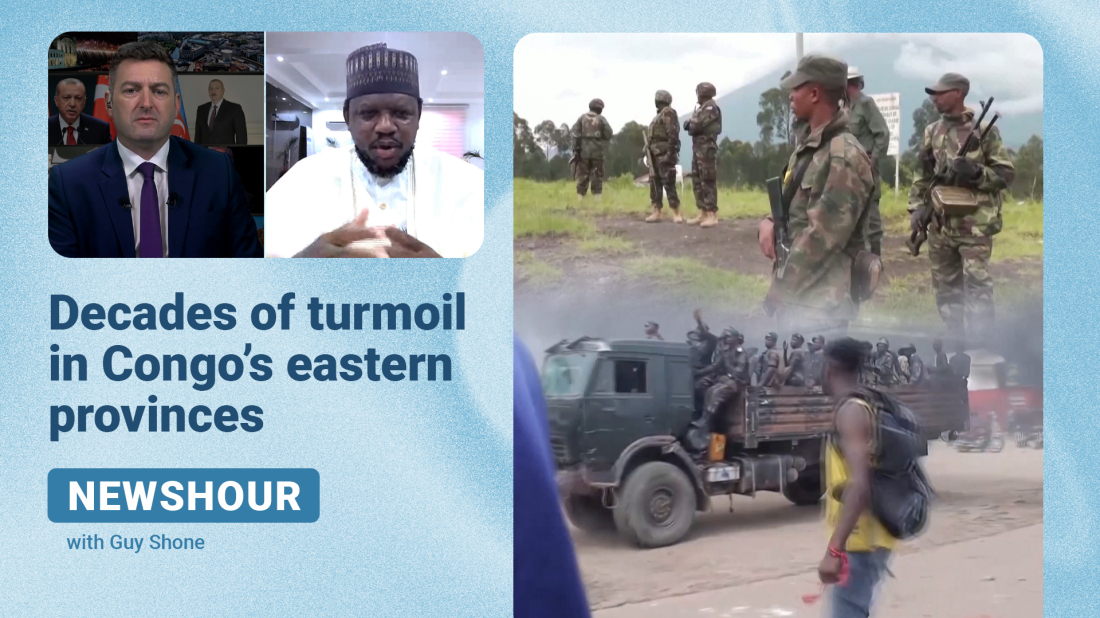
NGOs have accused Rwanda-linked rebels of carrying out massacres of civilians in eastern Democratic Republic of Congo. The allegations add another layer to a conflict that has destabilised the Great Lakes region for nearly three decades, uprooting millions and leaving communities traumatised.
The violence in DR Congo’s east traces back to the aftermath of Rwanda’s 1994 genocide, when refugee flows and armed factions spilled over the border. In the years that followed, the country endured two devastating wars involving multiple African nations, often referred to as Africa’s “world war.” While a peace agreement was signed in 2003, armed groups never truly disbanded, instead re-emerging in cycles of violence.
Today, the resurgence of the M23 rebellion has brought fresh instability. The group cites broken peace promises, while Kinshasa accuses Rwanda of supplying direct support—a charge Kigali denies. Despite regional mediation and United Nations involvement, civilians remain the primary victims, facing displacement, recruitment by militias, and recurring attacks.
In this edition of NewsHour, we hear from our correspondent Chris Ocamringa in Kinshasa and later from Nigerian political analyst Adamu Garba, as we explore the history, the allegations, and the pressing question of how peace can finally be achieved.
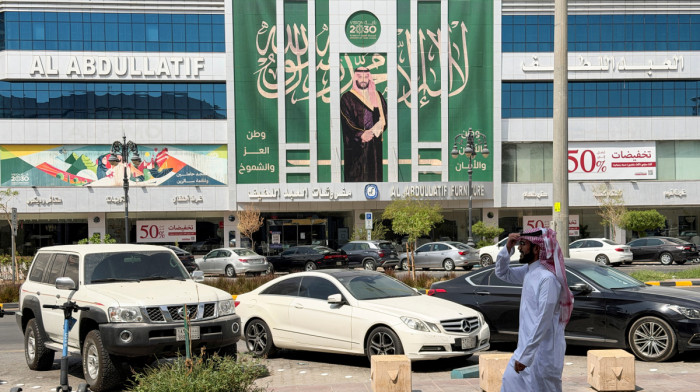
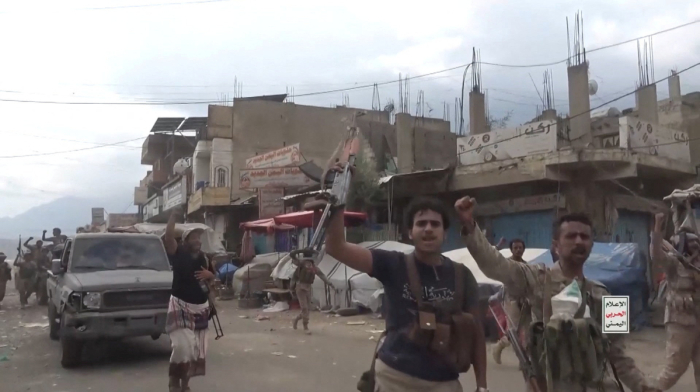
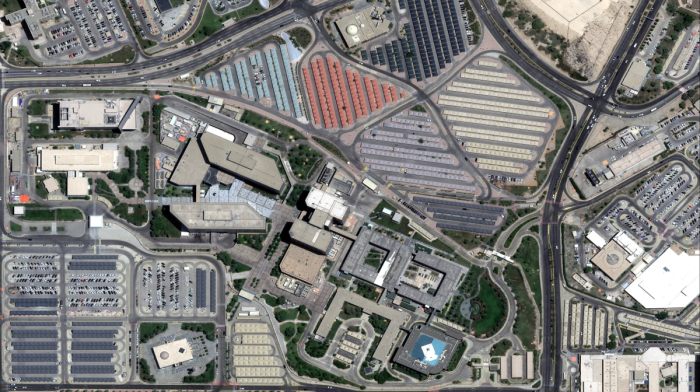
Yemen’s Houthis have claimed responsibility for the recent drone and missile strikes on Saudi Aramco facilities in Dhahran and Riyadh and at King Khalid International Airport in Saudi Arabia, vowing to carry out more attacks in the coming days.
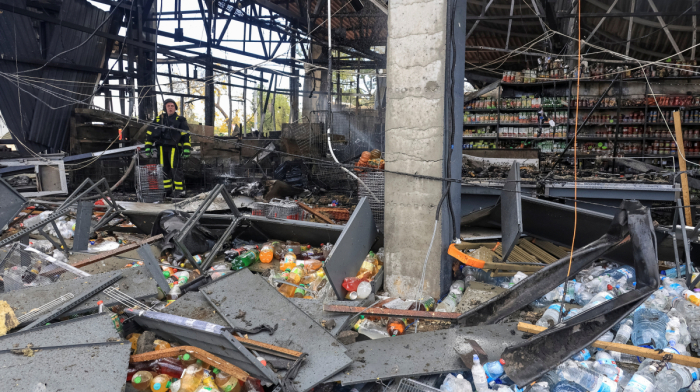
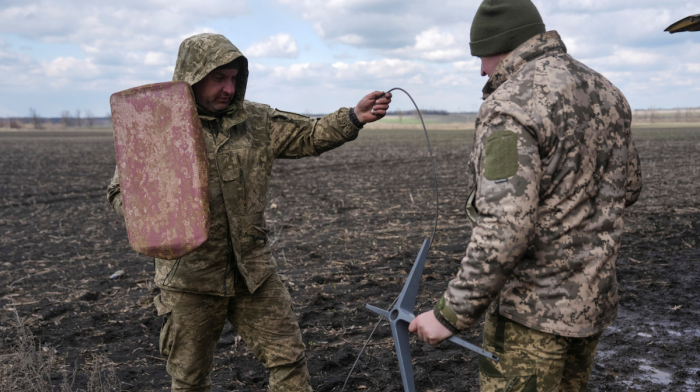
Ukraine's soldiers have had their access to Starlink satellite internet restricted. Kyiv's troops use the terminals, made by Elon Musk's SpaceX, to pilot drones. A source in Ukraine's Defence Ministry said the restrictions would make it harder for Kyiv's army to down Russian drones.
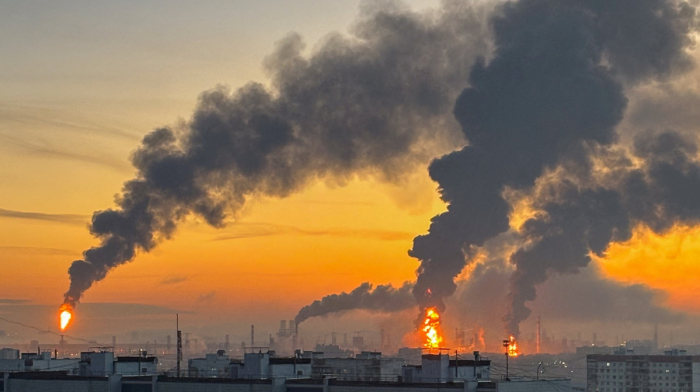
Ukraine is set to restart attacks on Russian oil refineries following a two-day pause, President Volodymyr Zelenskyy said, amid growing tensions with Washington over energy strikes and U.S. military support.
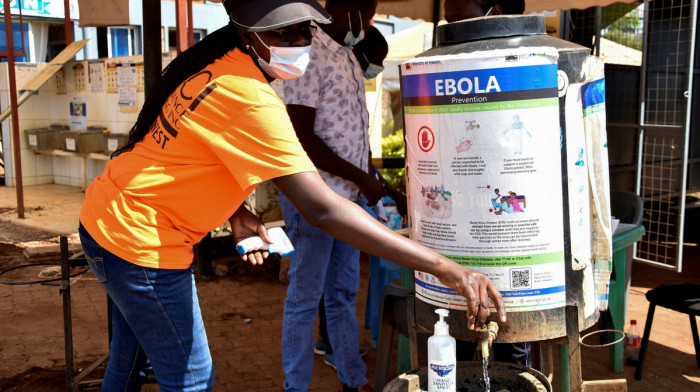
Kenya has confirmed a second case of Ebola, intensifying efforts to prevent the spread of the virus after the country recorded its first-ever infection earlier this month.
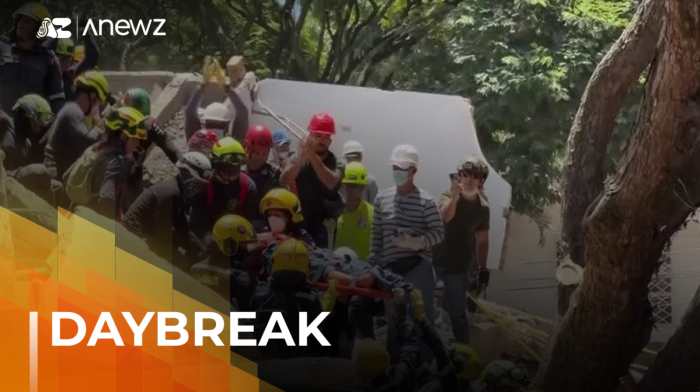
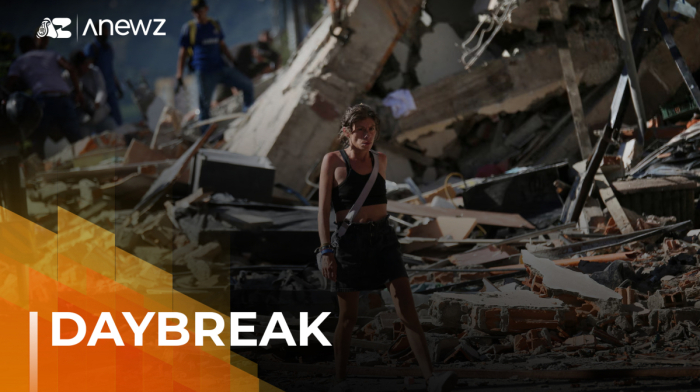
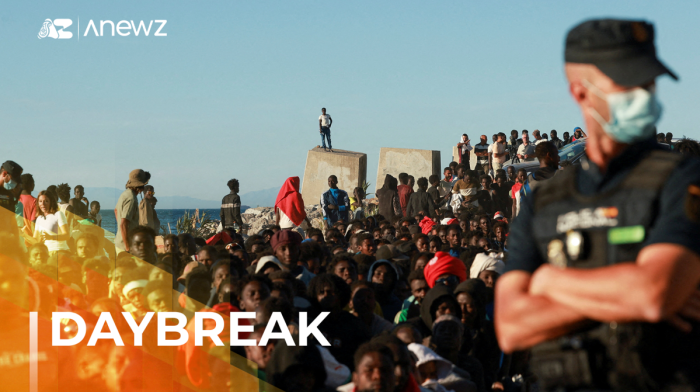
On 12 August, AnewZ’s Daybreak focused on the aftermath of Colombia’s devastating earthquake, tensions surrounding Iran and the Strait of Hormuz, growing Russia-North Korea military cooperation and security and environmental challenges across the Caspian and Black Sea regions.
On 11 August, AnewZ’s Daybreak examined U.S. President Donald Trump’s new demands for Iran, Russia-Iran cooperation and regional connectivity through the South Caucasus alongside key political, security and climate developments worldwide.
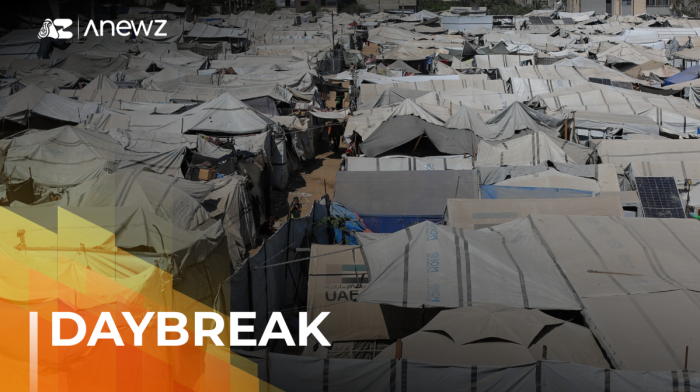
On 10 August, AnewZ’s Daybreak focused on developments in Gaza, Lebanon-Israel negotiations, Iran’s position on talks with Washington and the latest global security and climate-related challenges.
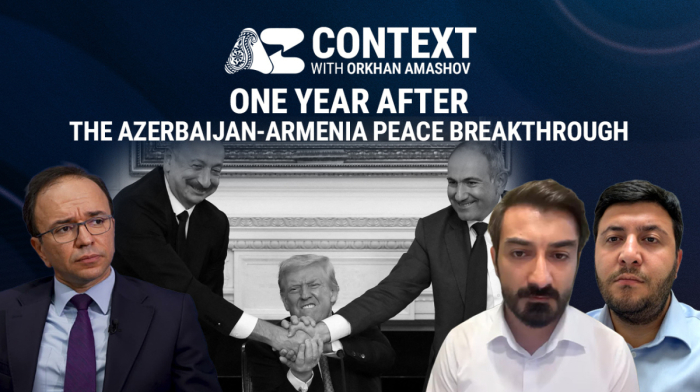
The 8 August commemorative edition of AnewZ's Context looked back on the year since the Washington breakthrough, examining how the initialling of the Azerbaijan-Armenia peace agreement and the launch of the Trump Route for International Peace and Prosperity have reshaped regional politics.
Download the AnewZ app
You can download the AnewZ application from Play Store and the App Store.










What is your opinion on this topic?
Leave the first comment